
Innovations on Earth, such as advanced materials, aerodynamics, and smart airport infrastructure, are revolutionizing aviation, improving efficiency and sustainability. Rapid progress in space exploration technology has made space travel cheaper and enhanced knowledge of celestial bodies, paving the way for future missions like Mars colonization. The convergence of aviation and space exploration is driving groundbreaking innovations, including satellite technology, remote sensing, and space-inspired materials, with potential to transform climate modeling, environmental monitoring, and space travel.
In an era defined by rapid technological advancements, humanity is witnessing a transformative leap in our understanding and utilization of skies. From groundbreaking innovations on solid ground to daring explorations beyond Earth’s confines, the journey into the skies has evolved exponentially. This article delves into three pivotal sections: Earth-Based Innovations Transforming Aviation, Space Exploration’s Technological Leaps, and Future Sky: Merging Earth and Space Technologies. Together, they paint a captivating picture of how advancements from both domains are reshaping our world above and beyond.
- Earth-Based Innovations Transforming Aviation
- Space Exploration's Technological Leaps
- Future Sky: Merging Earth and Space Technologies
Earth-Based Innovations Transforming Aviation
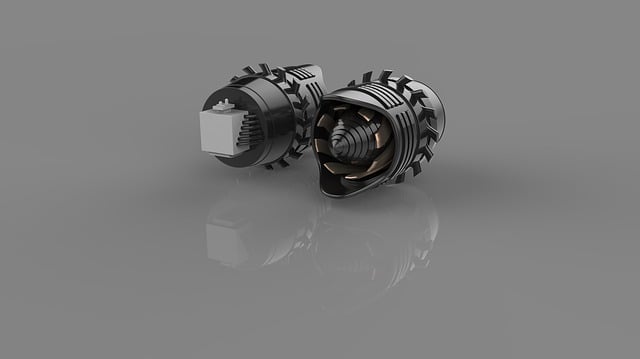
The innovations shaping the skies start from right here on Earth, revolutionizing aviation with groundbreaking technology. From advanced materials that make aircraft lighter and more fuel-efficient to sophisticated navigation systems improving safety and precision, these developments are transforming air travel as we know it. Advanced aerodynamics and computer simulations allow designers to craft planes that cut through the sky with minimal drag, reducing fuel consumption and carbon emissions.
Moreover, Earth-based innovations include smart airport infrastructure leveraging artificial intelligence for smoother operations. Automated baggage handling systems, predictive maintenance, and efficient traffic flow management all contribute to making air travel more seamless and less stressful for passengers. These advancements not only enhance passenger experience but also play a crucial role in the industry’s transition towards sustainability.
Space Exploration's Technological Leaps
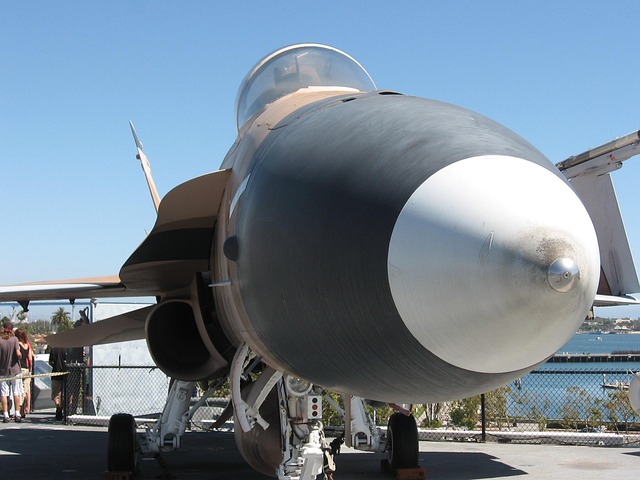
The race to explore space has always been at the forefront of technological innovation, pushing boundaries and challenging our understanding of the universe. In recent years, we’ve witnessed remarkable leaps forward that are transforming our ability to navigate and harness the vastness of space. From powerful new rockets to advanced robotics and artificial intelligence, these technologies are opening up new frontiers for exploration. For instance, reusable launch vehicles, like SpaceX’s Falcon 9, have drastically reduced the cost of accessing orbit, making space travel more accessible and sustainable.
Furthermore, the development of sophisticated remote sensing tools has enabled us to gather invaluable data from distant celestial bodies, leading to a deeper understanding of our solar system and beyond. These technological advancements are not only expanding our knowledge but also paving the way for future missions, including the potential colonization of Mars and the exploration of distant exoplanets. As we continue to push the envelope, the future of space exploration promises to be even more captivating and transformative.
Future Sky: Merging Earth and Space Technologies
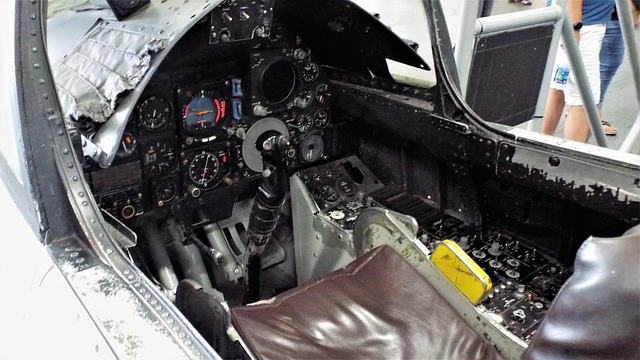
The future of our skies is being reimagined through the convergence of technologies once confined to distinct realms—Earth-based innovations and space exploration. This merging frontier promises transformative changes, bridging the gap between our home planet and the final frontier. As we look ahead, advancements in fields such as satellite technology, remote sensing, and space-inspired materials are set to redefine how we interact with and manage our atmosphere.
Imagine a future where high-resolution Earth observation satellites provide real-time data for climate modelling and environmental monitoring, enabling more accurate predictions and informed decisions. Simultaneously, space-based technologies like advanced propulsion systems and in-orbit manufacturing could facilitate faster, more efficient space exploration, potentially opening up new opportunities for resource extraction and habitat construction beyond our planet.
As we look towards the future, it’s evident that innovations on both Earth and in space are converging to shape a new era of aviation and exploration. From advanced materials and autonomous systems on our home planet to groundbreaking propulsion methods and potential lunar colonies, the skies—and beyond—are no longer limited by what we once thought possible. By harnessing these breakthroughs, we stand at the precipice of a transformative journey that promises to expand our horizons and unlock the mysteries of the cosmos.