Skip to content

164news.com

  • Contact Us
  • Toggle search form
understanding-thyroid-tests-what-your-do-640x480-5f78bb

Understanding Thyroid Tests: What Your Doctor Needs to Know Beforehand

Posted on April 19, 2026 By Thyroid Test No Comments on Understanding Thyroid Tests: What Your Doctor Needs to Know Beforehand

TL;DR

Before undergoing a thyroid test, it’s crucial to understand what your doctor might need you to avoid. This preparation ensures accurate results and helps diagnose any thyroid-related issues effectively. This article explores the essential pre-test considerations, focusing on dietary adjustments, medications, and lifestyle factors that can impact thyroid function.

Introduction to Thyroid Tests

A thyroid test is a crucial diagnostic tool used to evaluate the function of your thyroid gland, a small, butterfly-shaped organ located at the base of your neck. These tests are often recommended if you exhibit symptoms like fatigue, weight gain, dry skin, or irregular periods, which could indicate hypothyroidism (underactive thyroid) or hyperthyroidism (overactive thyroid).

Why Pre-Test Preparations Matter

Proper preparation for a thyroid test is essential for several reasons:

  • Accurate Results: Certain foods, medications, and lifestyle factors can affect thyroid hormone levels. Informing your doctor about these factors helps ensure that the test results accurately reflect your thyroid’s natural function.

  • Efficient Diagnosis: By following pre-test guidelines, your doctor can more easily identify any abnormalities in your thyroid function, leading to a faster and more accurate diagnosis.

  • Personalized Treatment: Understanding what to avoid before a thyroid test allows for personalized treatment plans based on reliable data.

What Your Doctor Might Ask You to Avoid Before the Test

1. Certain Foods and Supplements

Why: Some foods and supplements can interfere with thyroid testing by affecting hormone levels or binding to radioactive elements used in tests.

What to Avoid:

  • Iodine-rich foods: Iodine is essential for thyroid hormone production, but excessive intake close to the test date can skew results. Limit consumption of seafood, iodized salt, and medications containing iodine (e.g., Betadine).

  • Goitrogenic foods: These include broccoli, cauliflower, cabbage, kale, and soy products. While generally healthy, they can interfere with thyroid hormone absorption during testing. Consider reducing intake a few days prior.

  • High-fiber diets: Excessive fiber might affect the absorption of radioiodine, a common tracer used in thyroid scans. Your doctor may suggest adjusting your diet for a more balanced nutrient profile.

  • Vitamins and supplements: Some vitamins (especially A, C, and E) and iron supplements can interfere with test results. Discuss alternatives or stop taking them temporarily with your doctor.

2. Medications

Why: Certain medications can alter thyroid function and impact test outcomes.

Medications to Consider:

  • Antibiotics: Some antibiotics, like tetracyclines and quinolones, can affect thyroid hormone levels. Inform your doctor if you’ve recently taken or are currently on any antibiotic therapy.

  • Beta-blockers: Used to treat high blood pressure, these medications can lower thyroxine (T4) levels. Your doctor might suggest discontinuing them temporarily if a thyroid test is imminent.

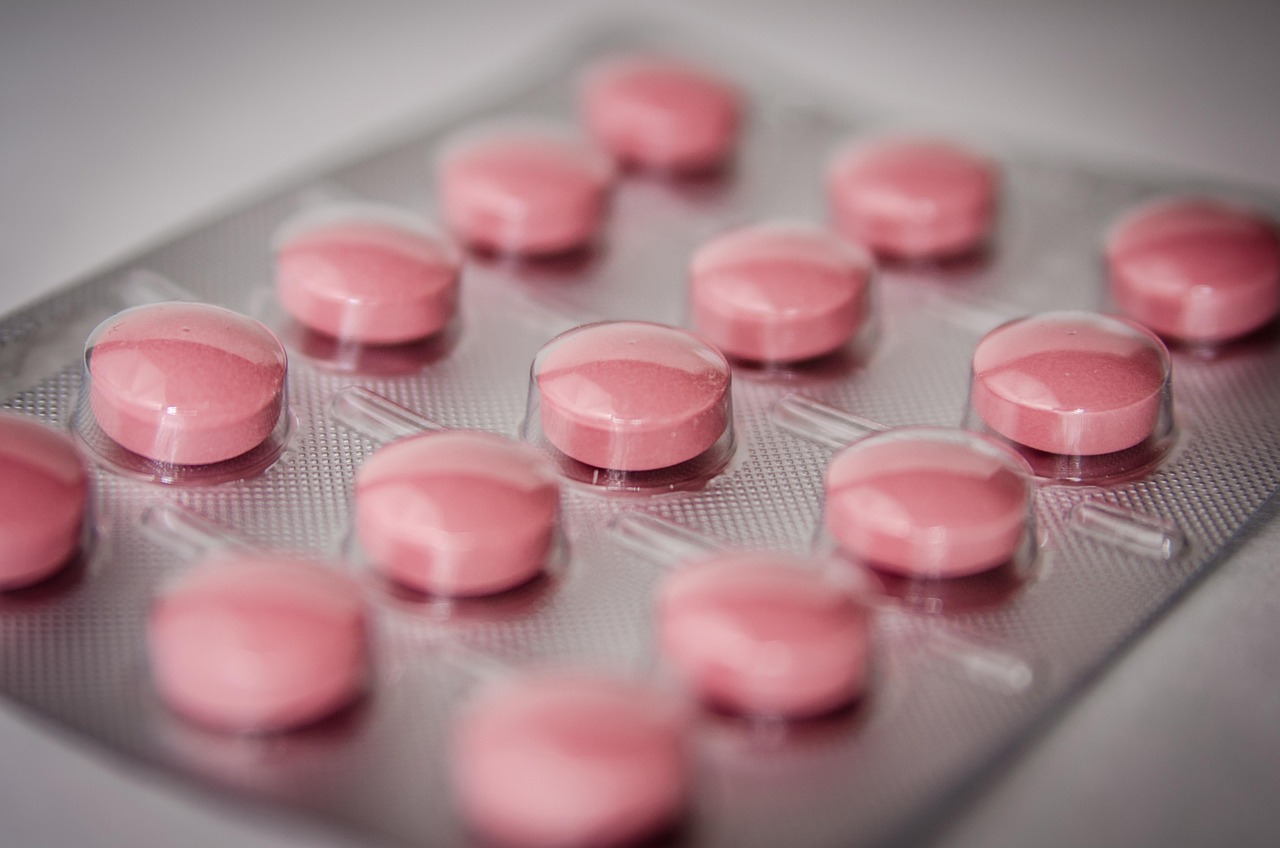
  • Hormonal birth control: Contraceptives, especially those containing estrogen, can influence thyroid function. Discuss alternatives or consider stopping use before the test.

  • Other medications: Inform your doctor about all your medications, as some antidepressants, weight loss drugs, and heartburn medications may impact thyroid tests.

3. Lifestyle Changes

Why: Stress, exercise, and sleep patterns can influence hormone levels and potentially affect test results.

Considerations:

  • Avoid excessive stress: High-stress levels can temporarily disrupt thyroid function. Practice relaxation techniques like deep breathing or meditation leading up to the test day.

  • Moderate exercise: Regular physical activity is generally beneficial, but intense training close to the test date may impact hormone levels. Aim for moderate exercise regimens a few days prior.

  • Maintain regular sleep: Irregular sleep patterns can disturb thyroid function and hormone production. Prioritize consistent, quality rest in the week leading up to your test.

  • Limit caffeine: High caffeine intake can temporarily reduce thyroxine levels. Cut back on coffee, tea, or energy drinks a few days before the test.

When to Avoid Testing

Your doctor may also advise against certain activities or tests at specific times:

  • Avoid radiation exposure: Refrain from dental X-rays, CT scans, or nuclear medicine tests within 2-4 weeks of your thyroid test to avoid potential interference from radioactive elements.

  • Timing of exercise and meals: Avoid intense physical activity and heavy meals for a few hours before the test as these can influence hormone levels.

What to Expect During and After the Test

Depending on the type of thyroid test (blood work or scan), your doctor will provide specific instructions post-test:

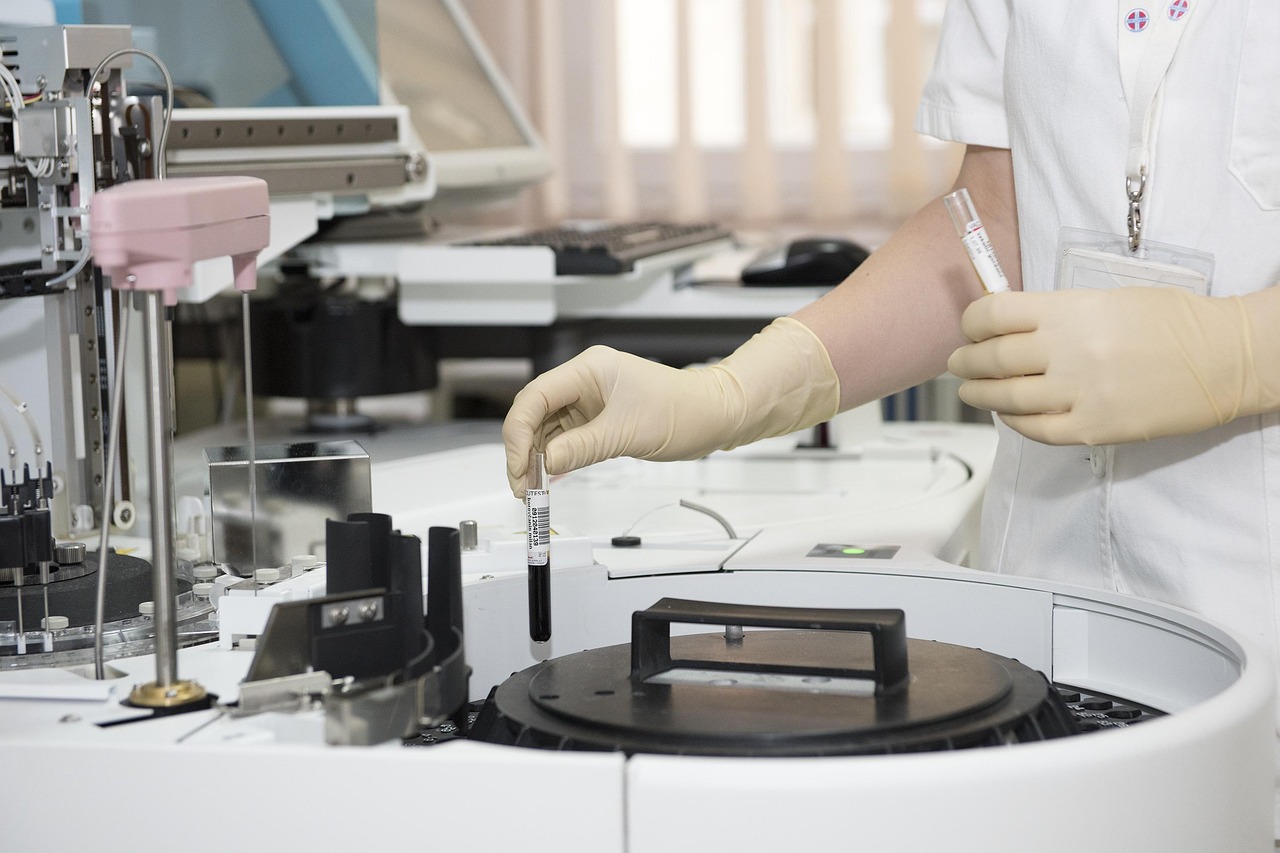
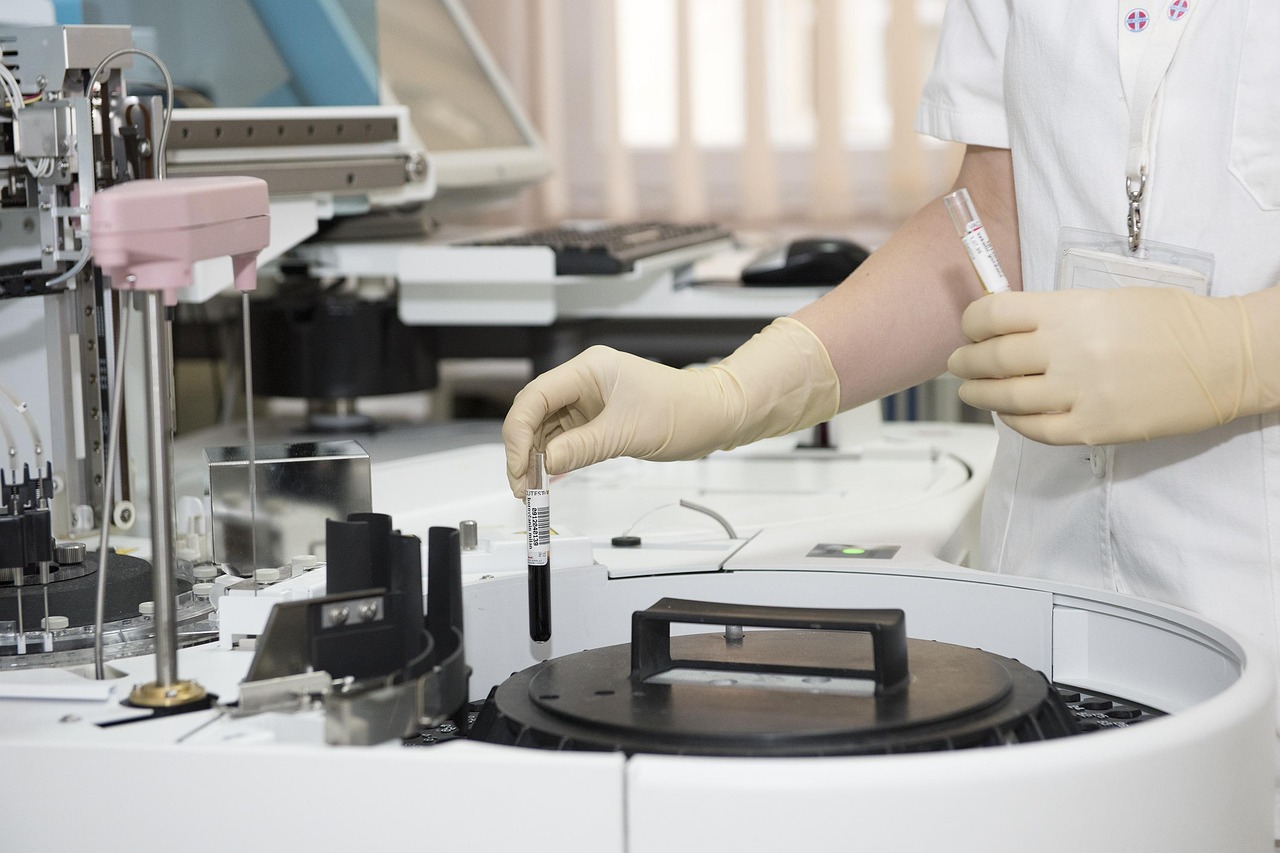
  • Blood Work: A healthcare professional will take a blood sample, typically from your arm, to measure thyroid hormone levels (T3, T4, and TSH). You may be advised to fast for a short period before the draw.

  • Thyroid Scan: This involves an injection of radioactive iodine and subsequent imaging to assess thyroid gland function and any abnormalities. Follow instructions regarding hydration and dietary choices post-scan.

Conclusion

Undergoing a thyroid test is a crucial step in diagnosing and managing thyroid disorders. By understanding what your doctor might ask you to avoid before the test, you contribute to accurate results. This preparation allows for a more precise evaluation of your thyroid function, ensuring effective treatment options tailored to your needs. Always consult with your healthcare provider for personalized guidance.

FAQ

1. How long should I fast before a thyroid blood test?

Fasting is typically required for 8-12 hours before a thyroid blood test. This ensures accurate measurements of hormone levels in your blood. Avoid food and beverages (except water) during this period.

2. Can stress impact my thyroid test results?

Absolutely. Stress can temporarily disrupt thyroid function by affecting hormone production. It’s essential to manage stress levels before and during the testing period for more reliable results.

3. Are there any home remedies to prepare for a thyroid test?

While some dietary adjustments are recommended, there aren’t specific ‘home remedies’ to prepare for a thyroid test. Following your doctor’s guidelines regarding medications, foods, and lifestyle factors is the best approach.

4. How often should I get a thyroid test if I have symptoms?

The frequency of thyroid tests depends on your symptoms, medical history, and your doctor’s assessment. They may recommend initial testing followed by repeat tests every 3-6 months or as needed based on your response to treatment.

5. What if I miss taking my medication before the test?

If you’ve forgotten to take a medication that might interfere with test results, consult your doctor. They can provide guidance on whether to skip a dose or adjust test timing accordingly.

Thyroid Test

Post navigation

Previous Post: Thyroid Test: Foods and Drinks to Avoid Before Your Exam
Next Post: Thyroid Test: 10 Things to Avoid Before Your Appointment

Leave a Reply Cancel reply

Your email address will not be published. Required fields are marked *

Editor's Picks

  • Long Island Real Estate Dispute Resolution
  • Commercial Plumbing Installation Denver
  • Denver Plumber for Emergency Services
  • Denver Gas Line Replacement
  • Affordable Plumbing Repair Denver
  • Leak Detection Services Denver CO
  • Sewer Backup Cleanup Denver Colorado
  • Expert Drain Snaking Denver
  • Plumbing for New Construction Denver
  • Sustainable Plumbing Solutions Denver

Recent Posts

  • BYD has built China’s first 4nm driving chip, and it’s putting LiDAR on a $10,000 car
  • Anthropic’s Milan office lands with Generali, Pirelli and Enel as named Italian customers
  • The hybrid model: why the smartest finance teams aren’t going all-in on AI
  • Oura’s Ring 5 is 40% smaller than its predecessor, and it arrives three days before a likely IPO filing
  • Waymo’s new Ojai robotaxi is cheaper to build, harder to break, and made in China

Recent Comments

  1. g555gameapk on Repairing a Leaking Denver Basin Augmentor: A Comprehensive Step-by-Step Guide
  2. xbet100 on Repairing a Leaking Denver Basin Augmentor: A Comprehensive Step-by-Step Guide
  3. hh55betcc on Repairing a Leaking Denver Basin Augmentor: A Comprehensive Step-by-Step Guide
  4. 5sbetwin on Expert Advice on Choosing the Right Sewer Backup Repair Company in Denver, Colorado
  5. 5sbet1 on Expert Advice on Choosing the Right Sewer Backup Repair Company in Denver, Colorado

Archives

  • May 2026
  • April 2026
  • March 2026

Editor's Picks

  • Long Island Real Estate Dispute Resolution
  • Commercial Plumbing Installation Denver
  • Denver Plumber for Emergency Services
  • Denver Gas Line Replacement
  • Affordable Plumbing Repair Denver
  • Leak Detection Services Denver CO
  • Sewer Backup Cleanup Denver Colorado
  • Expert Drain Snaking Denver
  • Plumbing for New Construction Denver
  • Sustainable Plumbing Solutions Denver

Copyright © 2026 164news.com.

Powered by PressBook Dark WordPress theme