TL;DR
Understanding what to avoid before taking a thyroid test is crucial for getting accurate results. This guide breaks down the essential checklist, highlighting common mistakes to skip, optimal preparation methods, and tips for maximizing the reliability of your thyroid test. By following these steps, you’ll ensure that your thyroid health assessment is as precise as possible.
Understanding Thyroid Tests: A Gateway to Optimal Health
A thyroid test, also known as a thyroid function test or thyroid panel, evaluates the performance of your thyroid gland. This endocrine organ plays a pivotal role in regulating metabolism and influencing various bodily functions. With accurate results from a thyroid test, healthcare professionals can diagnose conditions like hypothyroidism, hyperthyroidism, or thyroid nodules, enabling effective treatment and management.
The Importance of Proper Preparation for Thyroid Tests
Preparing for a thyroid test is vital to ensure the reliability of the results. Many factors can interfere with thyroid function tests, leading to inaccurate readings. To maximize the accuracy of your test, follow this comprehensive checklist, focusing on what to skip or avoid before taking the test.
What Not to Do Before Your Thyroid Test: The Common Pitfalls
Skewing your results is easy if you’re not careful about your routine leading up to the test day. Here’s a list of things to steer clear of to ensure the most accurate thyroid test outcomes:
1. Avoid Stress and Major Life Changes Before Testing
- Stress: Elevated stress levels can impact cortisol production, which in turn affects thyroid hormone levels. If possible, aim to reduce stress through relaxation techniques or counseling a few weeks before testing.
- Major Life Events: Major life changes, such as moving, getting married, or starting a new job, can temporarily disrupt hormone balance. Try to schedule your test during a period of relative stability.
2. Don’t Consume Certain Foods or Supplements
Some foods and supplements may interfere with thyroid testing:
- Goitrogenic Foods: These include raw cabbage, broccoli, cauliflower, kale, and goji berries. They can inhibit iodine uptake by the thyroid gland. Avoid these foods for a week before your test.
- Iodine Supplements: Iodine is essential for thyroid hormone production. However, taking excessive amounts of iodine supplements close to your test date may distort results. Discontinue use for at least one week prior to testing.
- Vitamin A and D Supplements: High doses of these vitamins can affect thyroid function markers. Consult with your doctor about adjusting these supplements before the test.
3. Skip Medication Changes Right Before Testing
Any changes in medications, especially those that affect hormone levels, should be made under medical supervision well in advance of testing:
- Thyroid Medications: If you take thyroid medication, don’t alter your dosage without consulting with your healthcare provider. They can guide you on the best timing for testing while on these medications.
- Other Hormone Treatments: Avoid making significant changes to any other hormone treatments (e.g., estrogen, testosterone) within a few weeks of your thyroid test.
4. Don’t Omit Regular Exercise, But Time It Right
Exercise is generally beneficial for thyroid health. However, intense exercise close to testing might impact results:
- Moderate Exercise: Continue regular physical activity throughout the preparation period. However, avoid strenuous workouts a day or two before the test as it can temporarily elevate stress hormones and affect test readings.
Optimal Preparation for Your Thyroid Test
Now that we’ve highlighted what to skip, let’s focus on the positive steps you should take to prepare:
1. Maintain a Balanced Diet Rich in Iodine
A well-balanced diet is key to supporting thyroid health. Ensure an adequate intake of iodine, which is essential for thyroid hormone synthesis. Good dietary sources include:
- Seafood (e.g., salmon, tuna, shrimp)
- Iodized salt
- Dairy products
- Soybeans and soy products
2. Get Sufficient Sleep Each Night
Sleep plays a critical role in regulating hormones, including those produced by the thyroid gland. Aim for 7-9 hours of quality sleep per night leading up to your test:
- Consistent Schedule: Maintain a regular sleep schedule, going to bed and waking up at roughly the same times daily.
- Relaxing Bedtime Routine: Establish a calming bedtime routine involving activities like reading or meditation to promote better sleep.
3. Manage Stress with Relaxation Techniques
As mentioned earlier, stress can negatively impact thyroid function. Implement stress management strategies to keep levels in check:
- Mindfulness and Meditation: Dedicate time each day for mindfulness exercises or meditation to reduce stress and improve focus.
- Yoga: Regular yoga practice has been shown to support thyroid health and reduce stress.
4. Consult with Your Healthcare Provider About Medications
Open communication with your healthcare provider is essential:
- Discuss Medication Timing: Share your plans for the thyroid test and inquire about adjusting any medications that might interfere, ensuring optimal timing for testing.
- Inform About Supplements: Be transparent about any supplements you’re taking, as some could impact test results.
What to Expect During Your Thyroid Test
Understanding the process can help alleviate any anxiety. Here’s what to expect when undergoing a thyroid test:
1. Blood Draw (T4, T3, TSH)
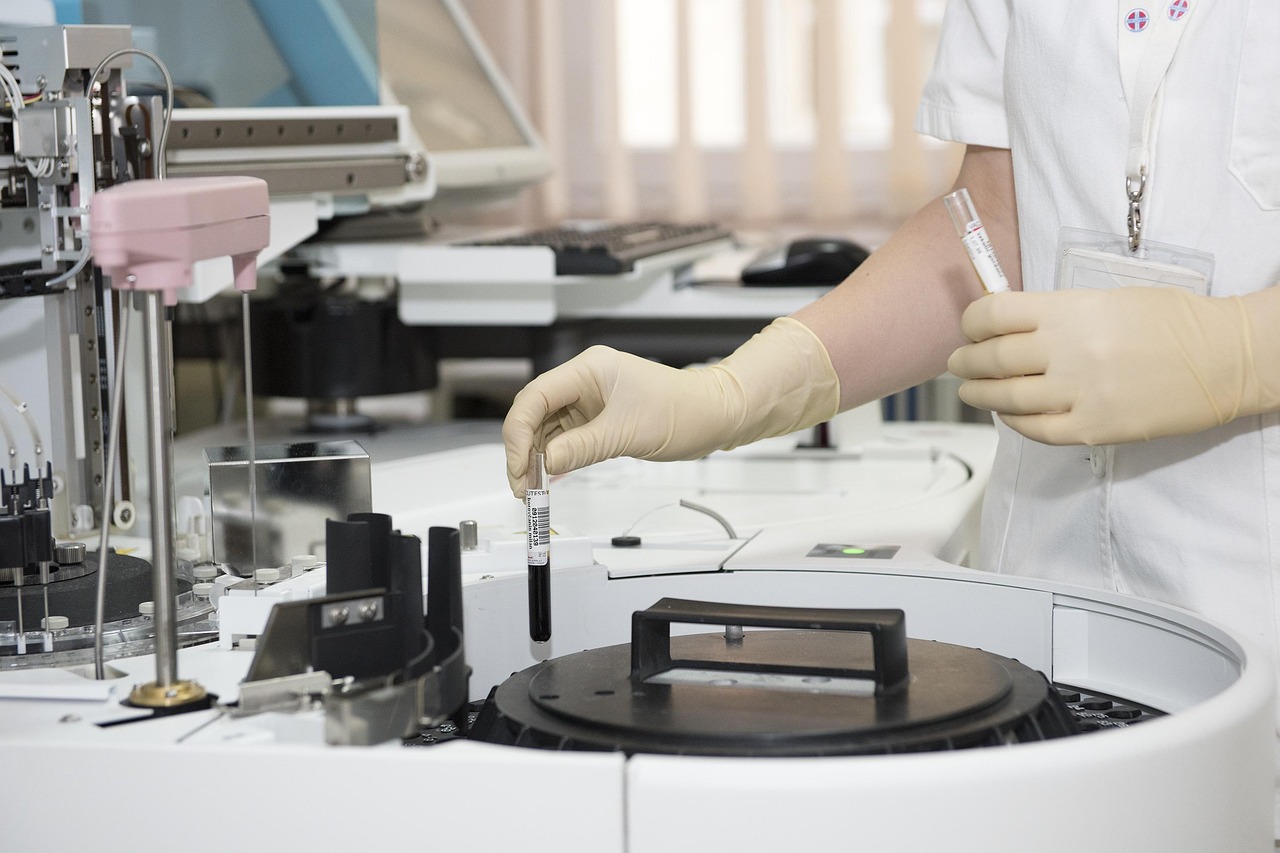
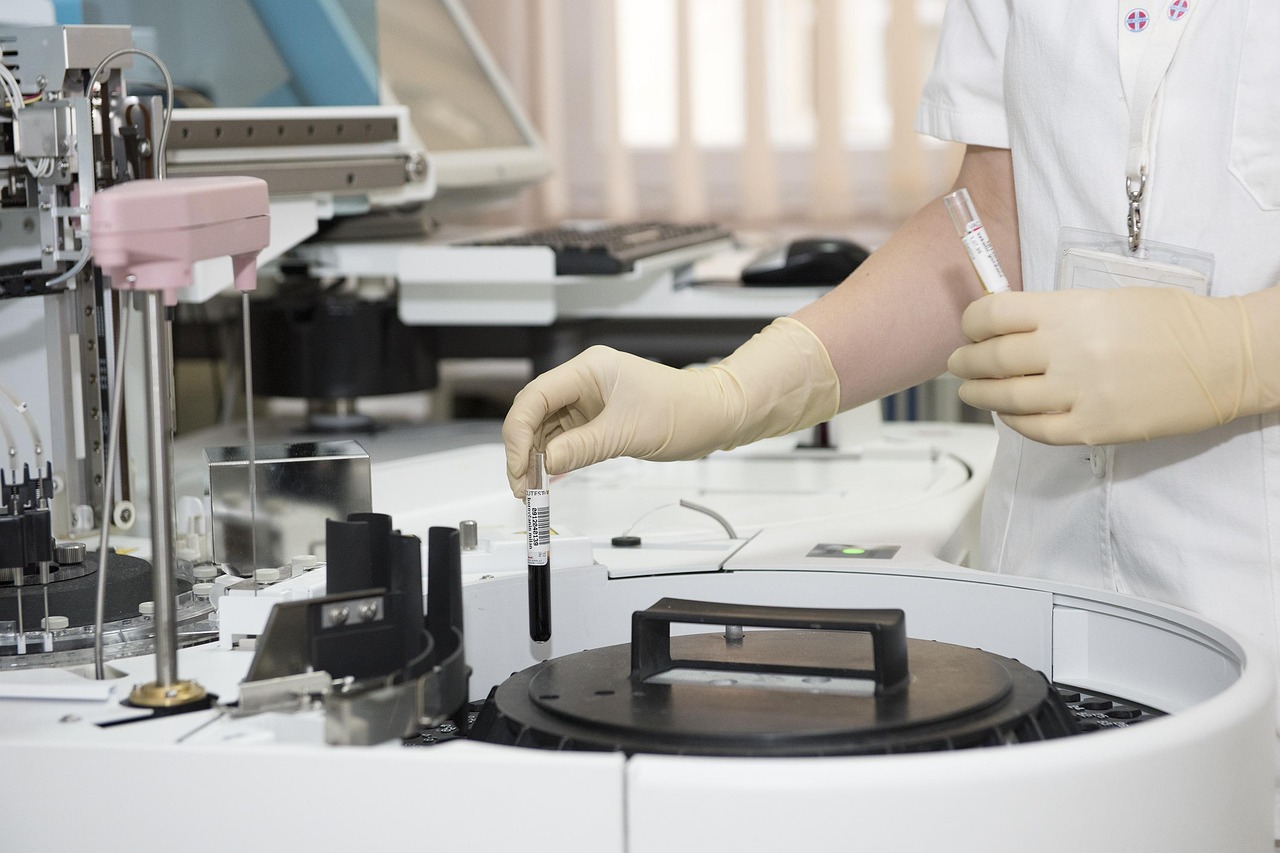
A healthcare professional will typically draw blood from a vein in your arm, using a needle to collect a small sample. This procedure is quick and usually painless. The lab will analyze the blood for:
- Thyroxine (T4): A hormone produced by the thyroid gland that regulates metabolism.
- Triiodothyronine (T3): Another hormone responsible for regulating body temperature, heart rate, and energy levels.
- Thyroid Stimulating Hormone (TSH): Released by the pituitary gland to regulate thyroid function.
2. Radioactive Iodine Uptake Test (RAIU) (Optional)
This test is less common but may be ordered in certain situations. It involves swallowing a small amount of radioactive iodine, after which a scan is performed to measure how much is taken up by the thyroid gland:
- Procedure: You’ll drink a solution containing radioactive iodine and then have a scan after a few hours or the next day.
- Purpose: RAIU helps assess thyroid function and detect any abnormalities in thyroid tissue absorption.
Understanding Thyroid Test Results
After your test, you’ll receive a report with your thyroid hormone levels and other relevant data. Here’s what to look for:
1. Interpreting Your TSH Level
Thyroid-stimulating hormone (TSH) is a critical indicator of thyroid function. Your doctor will interpret the results as follows:
- Normal TSH: Typically, values between 0.4 and 4.0 mIU/L are considered normal.
- Hypothyroidism: Elevated TSH levels suggest that your thyroid gland may not be producing enough hormones. This could lead to fatigue, weight gain, and sensitivity to cold.
- Hyperthyroidism: Low TSH levels indicate overactive thyroid function, potentially causing rapid heartbeat, weight loss, and nervousness.
2. Analyzing T3 and T4 Results
Thyroxine (T4) and triiodothyronine (T3) are the primary hormones produced by the thyroid gland:
- Normal T3/T4: Levels typically range between 80-180 ng/dL for T3 and 5.5-12.0 mcg/dL for T4.
- Low T3 or T4: This may indicate hypothyroidism, as discussed above.
- High T3 or T4: Suggesting hyperthyroidism, also explained previously.
When to Seek Medical Advice After Testing
After receiving your test results, it’s crucial to follow up with your healthcare provider:
- Discuss Results: Clarify any unclear findings and understand what the results mean for your health.
- Treatment Options: If tests indicate thyroid dysfunction, explore treatment options tailored to your specific condition.
- Regular Follow-ups: Your doctor may schedule repeat testing or regular follow-ups to monitor your thyroid health.
Conclusion: Taking Control of Your Thyroid Health
A thorough understanding of what to avoid before a thyroid test is half the battle won in ensuring accurate results. By steering clear of potential interferences and adopting healthy habits, you can maximize the reliability of your thyroid test outcomes. Remember, early detection and proper management of thyroid conditions are crucial for maintaining optimal health and well-being.
FAQ
1. How frequently should I get a thyroid test?
The frequency of thyroid tests depends on various factors, including your age, medical history, and symptoms. Generally, if you’re experiencing signs of thyroid dysfunction (e.g., fatigue, weight changes, irregular heartbeat), your doctor may recommend testing every 3-6 months until the condition is diagnosed and managed. For those without symptoms, annual testing might be sufficient.
2. Can stress impact my thyroid test results?
Absolutely. Elevated stress levels can temporarily disrupt hormone balance, affecting thyroid function markers. It’s best to manage stress through relaxation techniques or counseling before taking a thyroid test to ensure accurate results.
3. Are there any home remedies to prepare for a thyroid test?
While there are no specific home remedies to directly prepare for a thyroid test, adopting a balanced diet rich in iodine and managing stress levels through healthy habits can support optimal thyroid function. Avoid extreme measures or quick fixes, as they may not provide lasting benefits for your thyroid health.
4. What should I do if my test results come back abnormal?
Abnormal test results warrant further investigation. Discuss the findings with your healthcare provider to understand the cause of any abnormalities. They will guide you on appropriate next steps, which could include repeat testing, lifestyle adjustments, or medical treatment tailored to your specific thyroid condition.
5. Can certain medications affect my thyroid test results?
Yes, some medications can interfere with thyroid function tests. Inform your healthcare provider about all medications and supplements you’re taking to ensure proper interpretation of test results. They may recommend adjusting medication dosages or timing to obtain accurate measurements.