TL;DR: Prepare for an accurate thyroid test by understanding what to avoid before the examination. This checklist guides you through dietary adjustments, medications to consider, and lifestyle factors that can impact your thyroid function tests, ensuring reliable results.
Understanding Thyroid Tests
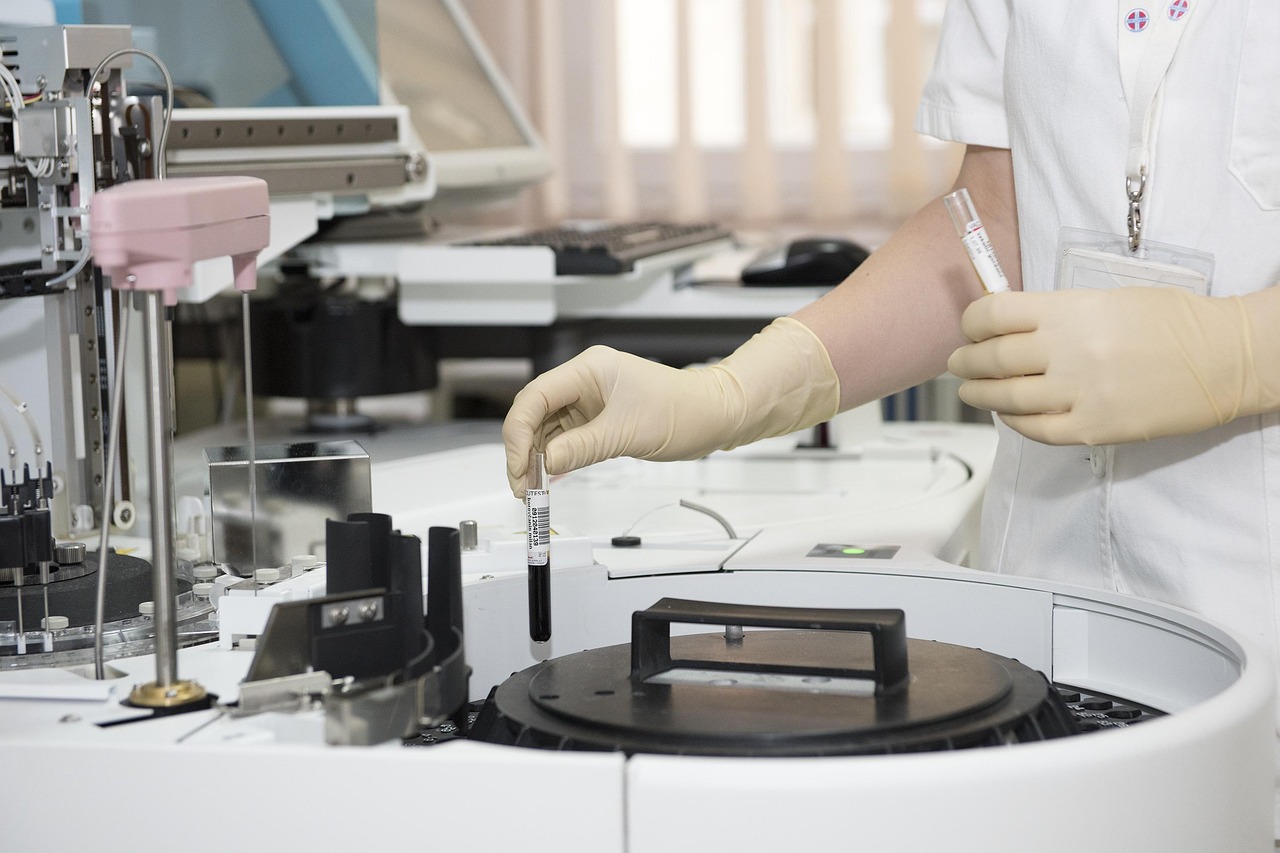
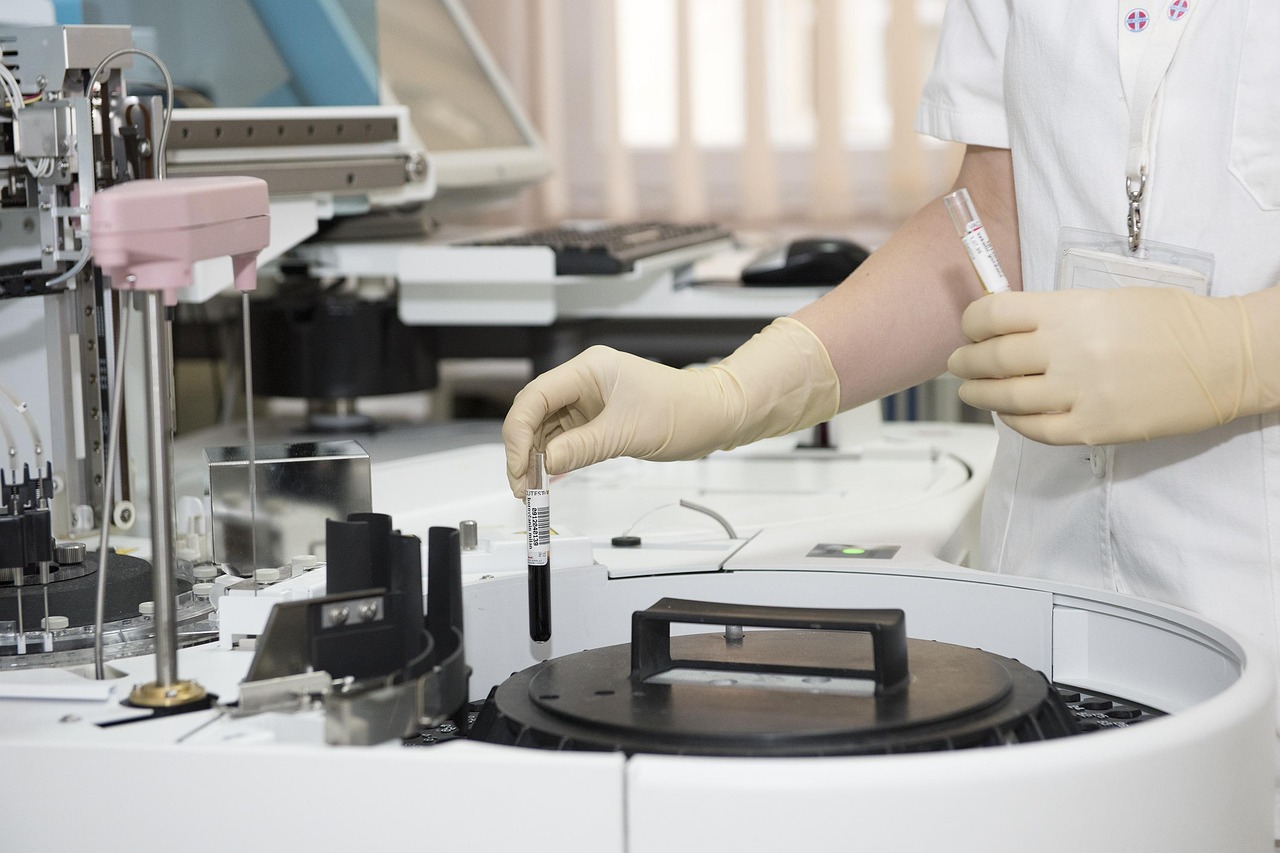
A thyroid test, or thyroid panel, is a set of blood tests designed to evaluate the health and functionality of your thyroid gland. It measures levels of key hormones produced by the thyroid, providing insights into potential thyroid disorders such as hypothyroidism, hyperthyroidism, or thyroiditis. Accurate results are crucial for an accurate diagnosis and effective treatment planning.
Why Accuracy Matters
Thyroid tests rely on precise measurements to differentiate normal thyroid function from abnormalities. Even subtle errors in preparation can lead to misleading test results. By following a comprehensive checklist before your thyroid test, you ensure that the data obtained is as reliable as possible, helping healthcare professionals make accurate assessments and recommendations.
The Pre-Thyroid Test Checklist
1. Dietary Considerations
What you eat significantly influences thyroid hormone production. Implement these dietary adjustments for optimal results:
- Avoid Goitrogenic Foods: Goitrogens are compounds that can interfere with thyroid function. These include raw cabbage, broccoli, Brussels sprouts, and soy products like tofu or edamame. Cook these foods to reduce goitrogen content.
- Increase Iodine Intake: Iodine is essential for thyroid hormone synthesis. Include iodized salt, seafood (especially fatty fish), and seaweed in your diet.
- Focus on Anti-Inflammatory Foods: Incorporate foods rich in omega-3 fatty acids like salmon, flaxseeds, and walnuts, as well as colorful fruits and vegetables. These help reduce inflammation, which can impact thyroid health.
2. Medications and Supplements
Some medications and supplements may affect test results:
- Stop Certain Supplements: Ask your doctor or pharmacist if you should stop taking any supplements, especially those containing iodine, selenium, or vitamin D, a few weeks before the test. These can interfere with thyroid function tests.
- Be Aware of Medication Interactions: Inform your healthcare provider about all medications and herbal remedies you take. Certain drugs, like beta-blockers and some antibiotics, can affect thyroid test results. They may advise you to adjust or temporarily stop these medications before the test.
3. Lifestyle Factors
Your daily routine can also impact test accuracy:
- Avoid Stressful Events: Try to avoid major stressful situations or physical exertion close to your test date as stress hormones can interfere with thyroid function.
- Maintain Normal Sleep Patterns: Aim for consistent, quality sleep the night before and a few days leading up to the test. Sleep disturbances can disrupt thyroid hormone regulation.
- Avoid Excessive Alcohol Consumption: Limit alcohol intake several days prior to the test as it may affect thyroid hormone metabolism.
4. Timing of the Test
Consider these timing factors for optimal results:
- Choose a Consistent Time: Take your thyroid test at the same time of day, preferably in the morning when thyroid hormones tend to be at their peak levels.
- Avoid Major Life Changes: Try to avoid significant life events or travel plans immediately before the test as stress and jet lag can impact hormone levels.
- Allow Adequate Lead Time: Schedule your test a few days to a week in advance if you have been experiencing potential thyroid symptoms to allow for more accurate results.
5. Preparation on Test Day
On the day of your thyroid test:
- Check with Your Laboratory: Confirm the type of thyroid panel being tested and any specific instructions from your healthcare provider or laboratory.
- Arrive Hydrated: Drink plenty of water to ensure proper hydration, as dehydration can affect test results.
- Avoid Smoking: Refrain from smoking or exposure to secondhand smoke before and during the test as nicotine can interfere with thyroid function.
What to Avoid Before a Thyroid Test (Quick Reference)
For accurate thyroid test results, remember:
- Skip goitrogenic foods for 2-3 weeks prior to testing.
- Discontinue supplements that may affect iodine or hormone levels.
- Maintain normal sleep, avoid stress, and limit alcohol consumption.
- Schedule the test at a consistent time of day.
- Avoid major life changes right before the test.
FAQ
1. Can I exercise before my thyroid test?
Moderate exercise is generally safe to perform before a thyroid test. However, intense physical activity close to the test time may temporarily elevate stress hormones, potentially affecting test results. It’s best to consult your healthcare provider for personalized advice.
2. How long do thyroid test results take to come back?
Laboratory processing times vary, but most thyroid tests will provide results within 2-7 business days after the sample is received. Your doctor or healthcare provider will inform you about the expected turnaround time.
3. Can certain medications cause false positive/negative thyroid test results?
Yes, some medications can interfere with thyroid function tests. Always inform your healthcare provider of all medications and supplements you take to avoid potential misinterpretations of test results.
4. How often should I get a thyroid test if I’m at risk for thyroid disorders?
The frequency of thyroid testing depends on various factors, including your medical history, symptoms, and risk factors. Your healthcare provider will recommend appropriate screening intervals based on individual needs.
Conclusion
Preparing for a thyroid test involves more than just understanding the procedure. By adhering to this comprehensive checklist, you can ensure that your test results accurately reflect your thyroid’s health status. Remember, even small adjustments in diet, medications, and lifestyle before the test can make a significant difference in the interpretation of your thyroid panel. Always consult with your healthcare provider for personalized guidance.