TL;DR: Fasting before a thyroid test might seem like a no-brainer, but it’s not always necessary—and could even be harmful. This guide explores the science behind thyroid testing, why fasting isn’t universally required, and practical tips for preparing for your thyroid test without sacrificing your health.
Understanding Thyroid Tests
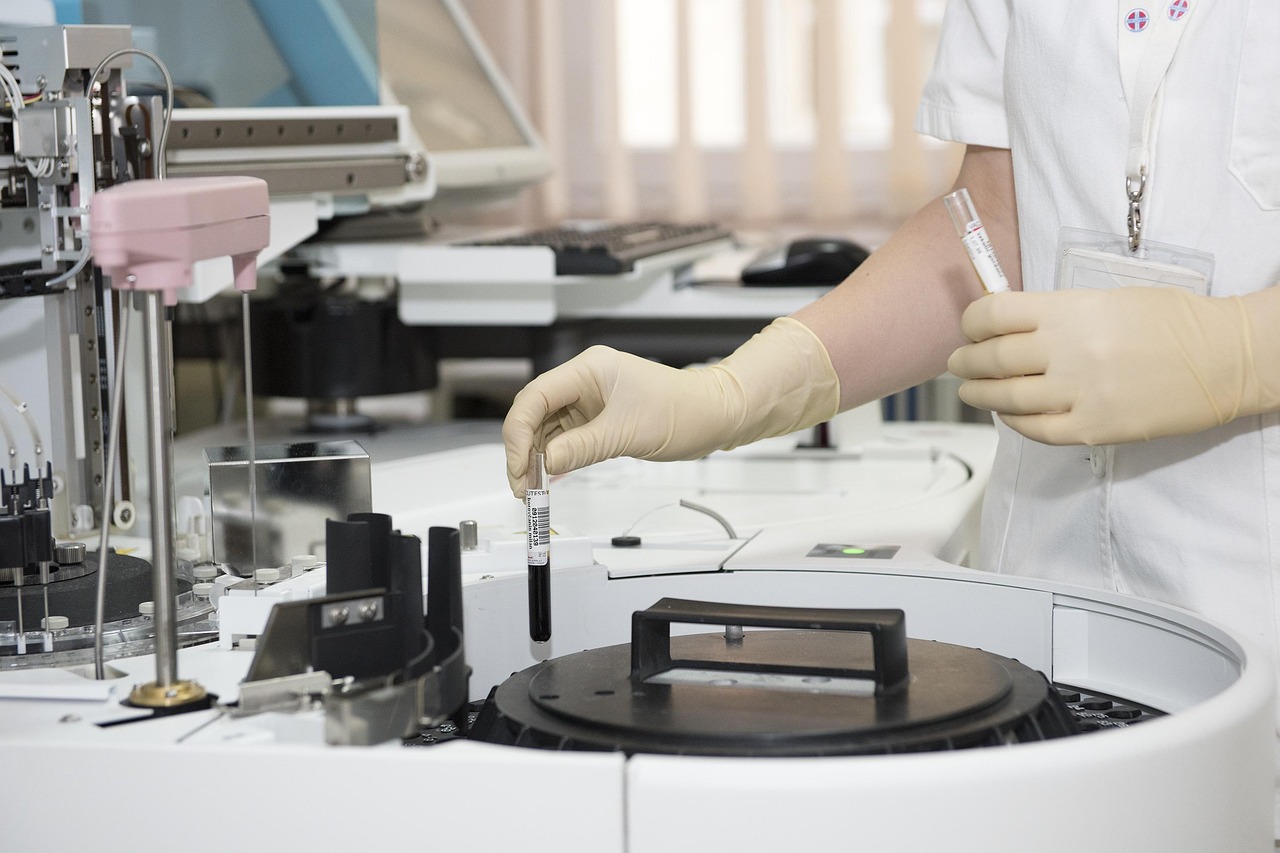
A thyroid test, also known as thyroid function tests or thyroid panel, assesses the performance of your thyroid gland—a small, butterfly-shaped endocrine gland located at the base of your neck. These tests are crucial for diagnosing thyroid disorders like hypothyroidism, hyperthyroidism, and thyroiditis.
Thyroid hormones play a vital role in regulating metabolism, influencing almost every system in your body. A thyroid test measures levels of two primary hormones:
-
TSH (Thyroid-Stimulating Hormone): Secreted by the pituitary gland, TSH stimulates the thyroid to produce and release thyroid hormones.
-
T3 (Triiodothyronine) and T4 (Thyroxine): These are the active thyroid hormones that influence metabolic processes throughout your body.
Why Fasting Isn’t Always Necessary for a Thyroid Test
Unlike certain other blood tests, fasting is not always required before a thyroid test. This is because thyroid hormones are relatively stable in the bloodstream and less susceptible to fluctuations caused by food intake.
The primary exception is if your doctor specifically orders a "fasting" thyroid test to investigate for specific conditions or to compare results with future tests. In most cases, you can simply follow your regular dietary routine leading up to the test.
What Your Doctor Needs to Know Before Testing
Even though fasting isn’t always necessary, there are still important considerations when preparing for a thyroid test:
-
Medications: Inform your doctor about any medications you’re taking, including over-the-counter supplements. Some drugs, like beta-blockers and certain antidepressants, can affect thyroid test results. Your doctor may suggest adjusting your dosage or timing around the test.
-
Recent illnesses or infections: Stress from illness can temporarily impact thyroid function. Let your doctor know if you’ve had any recent infections, fevers, or surgeries, as these could influence your test results.
-
Iodine exposure: Iodine is essential for thyroid hormone production. Avoid taking iodine supplements or eating foods high in iodine (like seaweed) for a few days before the test.
-
Previous thyroid problems: If you’ve had a history of thyroid issues, be sure to discuss it with your doctor. They may have specific instructions or recommendations based on your individual situation.
How to Prepare for Your Thyroid Test Without Fasting
While fasting isn’t usually required, there are still steps you can take to ensure accurate test results:
- Maintain a balanced diet: Eat regular meals containing a variety of whole foods rich in nutrients that support thyroid health, including selenium, zinc, and tyrosine. Foods like seafood, nuts, eggs, and leafy greens are good choices.
- Stay hydrated: Drink plenty of water throughout the day to ensure optimal blood flow and help your body produce the hormones needed for accurate test results.
- Manage stress: Chronic stress can negatively impact thyroid function. Practice relaxation techniques like deep breathing, meditation, or yoga in the days leading up to your test.
- Get enough sleep: Aim for 7-8 hours of quality sleep per night. Sleep plays a crucial role in regulating hormones, including those produced by your thyroid.
When to Expect Results and What They Mean
After your thyroid test, your sample will be sent to a lab for analysis. Your doctor will usually provide you with the results within a week or two, depending on their practices. The results will include:
- TSH level: TSH levels can indicate whether your thyroid is overactive (high TSH) or underactive (low TSH). Normal ranges vary slightly between labs, so discuss any deviations with your doctor.
- T3 and T4 levels: These hormones provide a more direct measure of thyroid function. Imbalances in these levels can help pinpoint the specific type and severity of thyroid disorder you may be experiencing.
Once you have your results, discuss them thoroughly with your doctor. They will interpret the data in light of your medical history, symptoms, and other test results to arrive at a diagnosis and recommend an appropriate treatment plan.
FAQ
1. Can I eat before my thyroid test?
Yes, most doctors do not require fasting for a thyroid test. You can follow your regular dietary routine leading up to the test.
2. What if I’ve been sick recently? Should I delay the test?
It’s best to discuss any recent illnesses with your doctor. While short-term illness may temporarily affect thyroid function, most tests will still provide accurate results. Your doctor might suggest rescheduling if you have a severe or ongoing infection.
3. How often should I get my thyroid tested?
The frequency of thyroid testing depends on your individual situation. If you’re being treated for a thyroid condition, your doctor may recommend regular monitoring. Otherwise, tests are usually only done if there are symptoms suggesting a problem or if there is a family history of thyroid disease.
4. What do high or low TSH levels indicate?
High TSH levels suggest hypothyroidism (underactive thyroid), while low TSH levels suggest hyperthyroidism (overactive thyroid). Normal TSH levels usually fall within a specific reference range established by the lab performing the test.
Conclusion
Understanding thyroid tests and how to prepare for them effectively is essential for managing your thyroid health. While fasting isn’t always necessary, adopting healthy habits leading up to the test will ensure accurate results. Remember to communicate openly with your doctor about any concerns or questions you have throughout the process.