Skip to content

164news.com

  • Contact Us
  • Toggle search form
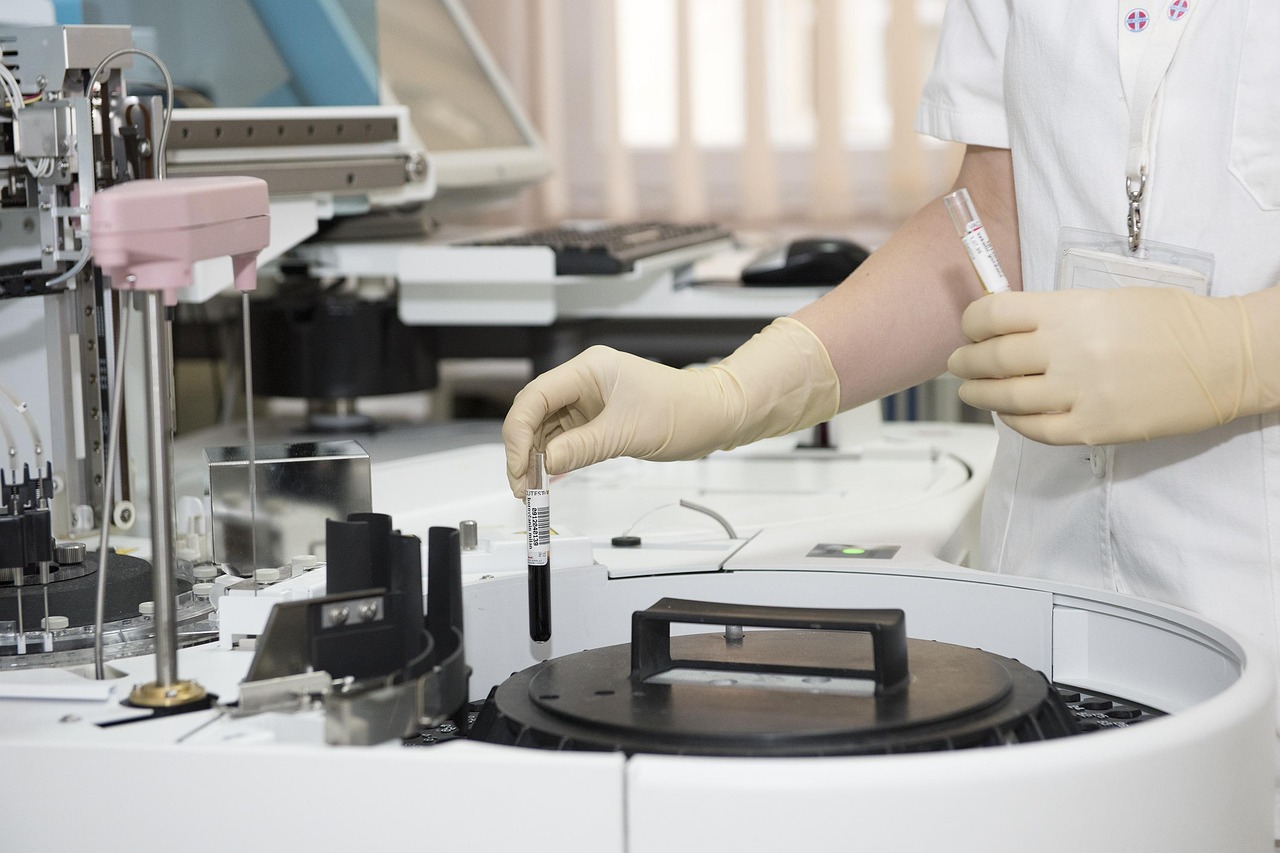
thyroid-test-ensuring-accurate-results-b-640x480-he3gom

Thyroid Test: Ensuring Accurate Results by Avoiding Pre-Test Mistakes

Posted on April 19, 2026 By Thyroid Test No Comments on Thyroid Test: Ensuring Accurate Results by Avoiding Pre-Test Mistakes

TL;DR

Understanding what to avoid before a thyroid test is crucial for obtaining accurate results. This article delves into the do’s and don’ts, from dietary considerations to medications and physical activities, to help you prepare effectively for your thyroid function assessment. By following these guidelines, you’ll ensure that your test outcomes reflect your true thyroid health.

Introduction to Thyroid Testing

A thyroid test is a vital diagnostic tool used to evaluate the function of your thyroid gland. This small, butterfly-shaped endocrine gland plays a significant role in regulating metabolism, growth, and development. Anomalies in thyroid function can lead to various health issues, and accurate testing is essential for proper diagnosis and treatment. This article focuses on one critical aspect of preparing for such tests: what to avoid beforehand to ensure reliable results.

Understanding Thyroid Function and Testing

The Role of the Thyroid Gland

The thyroid gland secretes thyroid hormones, primarily thyroxine (T4) and triiodothyronine (T3), which influence almost every cell in your body. These hormones help regulate:

  • Body temperature and energy production
  • Heart rate and blood pressure
  • Muscle strength and bone health
  • Menstrual cycles and fertility
  • Growth and development, especially during childhood and adolescence

Common Thyroid Disorders

Several conditions can affect thyroid function, leading to either an overactive (hyperthyroidism) or underactive (hypothyroidism) thyroid. Symptoms of hyperthyroidism include rapid heartbeat, weight loss, and nervousness, while hypothyroidism may cause fatigue, weight gain, and dry skin.

Types of Thyroid Tests

Doctors typically employ the following tests to assess thyroid health:

  • Thyroid Stimulating Hormone (TSH) Test: Measures the amount of TSH in your blood, providing insights into your thyroid’s activity.
  • T4 and T3 Tests: Directly assesses the levels of thyroxine and triiodothyronine hormones.
  • Antibody Tests: Detects antibodies that might indicate autoimmune thyroid conditions like Hashimoto’s disease or Graves’ disease.

What to Avoid Before a Thyroid Test

Preparing for a thyroid test is essential to ensure accurate results. The following section details what you should steer clear of before your appointment to minimize potential interference with the test outcomes.

1. Dietary Changes: Stick to Your Normal Routine

  • Avoid drastic dietary shifts: Two weeks prior to testing, maintain a balanced diet typical of your regular eating habits. Avoid starting any new diets or restrictive food plans that could affect your thyroid hormone levels.

  • Limit iodine intake: Iodine is crucial for thyroid hormone production, but excessive consumption can interfere with test results. Avoid taking iodine supplements or consuming large amounts of iodized salt in the days leading up to the test.

2. Medications: Consult Your Doctor Beforehand

  • Discuss medications with your doctor: If you’re on any medications, especially those that can impact thyroid function (such as anti-thyroid drugs for hyperthyroidism), inform your healthcare provider in advance. They might advise you to temporarily stop or adjust your dosage to ensure accurate test results.

  • Avoid over-the-counter supplements: Some herbs and supplements, like kelp or garlic, contain compounds that can alter thyroid hormone levels. Avoid taking these supplements for at least a week before testing.

3. Physical Activity: Maintain a Normal Routine

  • Avoid excessive exercise: While regular physical activity is beneficial, intense or prolonged exercise close to the test date may suppress thyroxine release and affect TSH levels. Stick to your usual workout routine, avoiding any unusual exertion prior to testing.

  • Manage stress levels: Stress can impact hormone production, so try to maintain a calm state before your test. Practice relaxation techniques if you’re prone to pre-test anxiety.

4. Avoid Certain Medical Procedures

  • Postpone radiation exposure: If possible, avoid any medical procedures involving radiation (like X-rays or CT scans) for at least two weeks before the thyroid test. Radiation can temporarily affect thyroid function.

  • Inform about recent surgeries: If you’ve had recent surgery, especially around the neck or thyroid area, inform your doctor as it may impact the test results.

5. Sleep and Rest: Prioritize Quality Sleep

  • Maintain a regular sleep schedule: Ensure you get adequate, uninterrupted sleep in the days leading up to the test. Sleep deprivation can influence hormone levels, potentially skewing the test results.

What If I Can’t Avoid These Factors?

In some cases, it might be impractical or impossible to avoid all these factors. If that’s your situation, don’t panic. Inform your healthcare provider about any dietary changes, medications, or unusual physical activities you’ve undertaken. They can offer guidance on how best to proceed to ensure accurate testing.

Preparing for Your Thyroid Test Appointment

Beyond the above considerations, here are some general tips to help you prepare for your thyroid test appointment:

  • Arrive on time: Punctuality ensures a less stressful experience and allows enough time to fill out necessary forms and discuss any concerns with your doctor.
  • Bring relevant medical records: If you’ve had previous thyroid tests or related treatments, bring along the results for comparison and discussion.
  • Ask questions: Don’t hesitate to clarify any instructions or ask about potential side effects of any prescribed medications.

Frequently Asked Questions (FAQs)

  1. Can stress significantly impact my thyroid test results?

    Yes, stress can temporarily alter hormone levels, including those involved in thyroid function. Try to maintain a calm mindset before your test to ensure accurate results.

  2. How long should I wait after taking iodine supplements before the test?

    Avoid iodine supplements for at least 7-10 days prior to the test. Iodine can interfere with TSH levels, leading to inaccurate results.

  3. Will my diet significantly affect my thyroid test outcomes?

    While drastic dietary changes can influence hormone levels, maintaining a consistent, balanced diet is generally recommended to ensure accurate testing. Avoid new diets or excessive restrictions close to your test date.

  4. What should I do if I’m on medication that might interfere with the test?

    Inform your doctor about all medications, especially those related to thyroid health. They may advise you to stop or adjust your dosage temporarily for optimal test results.

  5. Can physical activity affect my thyroid test accuracy?

    Intense exercise can impact hormone levels, so avoid unusual physical exertion close to the test date. Stick to your regular workout routine unless advised otherwise by your doctor.

Conclusion

Preparing for a thyroid test involves understanding what to avoid to ensure accurate results. By adhering to the guidelines outlined in this article, you can help your healthcare provider gain reliable insights into your thyroid health. Remember, maintaining a consistent lifestyle and informing your doctor about any unusual factors is key to successful testing.

Thyroid Test

Post navigation

Previous Post: Understanding Thyroid Tests and Supplements That Can Affect Results
Next Post: Thyroid Test: 10 Things to Avoid Before Your Appointment

Leave a Reply Cancel reply

Your email address will not be published. Required fields are marked *

Editor's Picks

  • Long Island Real Estate Dispute Resolution
  • Commercial Plumbing Installation Denver
  • Denver Plumber for Emergency Services
  • Denver Gas Line Replacement
  • Affordable Plumbing Repair Denver
  • Leak Detection Services Denver CO
  • Sewer Backup Cleanup Denver Colorado
  • Expert Drain Snaking Denver
  • Plumbing for New Construction Denver
  • Sustainable Plumbing Solutions Denver

Recent Posts

  • BYD has built China’s first 4nm driving chip, and it’s putting LiDAR on a $10,000 car
  • Anthropic’s Milan office lands with Generali, Pirelli and Enel as named Italian customers
  • The hybrid model: why the smartest finance teams aren’t going all-in on AI
  • Oura’s Ring 5 is 40% smaller than its predecessor, and it arrives three days before a likely IPO filing
  • Waymo’s new Ojai robotaxi is cheaper to build, harder to break, and made in China

Recent Comments

  1. g555gameapk on Repairing a Leaking Denver Basin Augmentor: A Comprehensive Step-by-Step Guide
  2. xbet100 on Repairing a Leaking Denver Basin Augmentor: A Comprehensive Step-by-Step Guide
  3. hh55betcc on Repairing a Leaking Denver Basin Augmentor: A Comprehensive Step-by-Step Guide
  4. 5sbetwin on Expert Advice on Choosing the Right Sewer Backup Repair Company in Denver, Colorado
  5. 5sbet1 on Expert Advice on Choosing the Right Sewer Backup Repair Company in Denver, Colorado

Archives

  • May 2026
  • April 2026
  • March 2026

Editor's Picks

  • Long Island Real Estate Dispute Resolution
  • Commercial Plumbing Installation Denver
  • Denver Plumber for Emergency Services
  • Denver Gas Line Replacement
  • Affordable Plumbing Repair Denver
  • Leak Detection Services Denver CO
  • Sewer Backup Cleanup Denver Colorado
  • Expert Drain Snaking Denver
  • Plumbing for New Construction Denver
  • Sustainable Plumbing Solutions Denver

Copyright © 2026 164news.com.

Powered by PressBook Dark WordPress theme