TL;DR: Before diving into a thyroid test, brush up on what to avoid to guarantee reliable results. This checklist guides you through dietary considerations, supplements, medications, and lifestyle factors that can impact your thyroid function tests.
Understanding the Importance of Accurate Thyroid Test Results
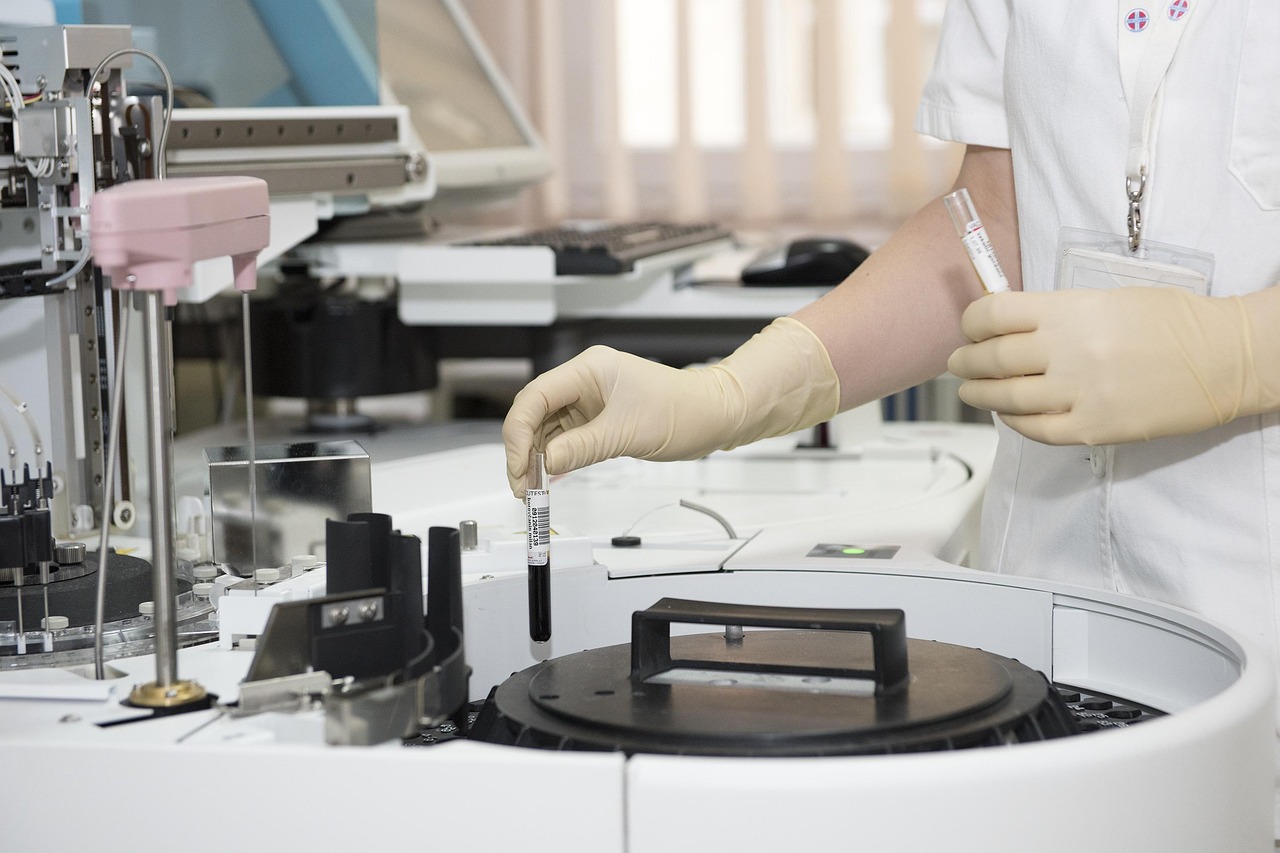
A thyroid test is a crucial tool for diagnosing thyroid conditions like hypothyroidism, hyperthyroidism, or thyroiditis. These conditions affect millions of people worldwide and can lead to a range of symptoms, from fatigue and weight gain to anxiety and irregular heartbeat.
Accurately interpreting thyroid test results hinges on providing your healthcare provider with the most reliable data possible. Certain factors can interfere with thyroid function tests, leading to incorrect diagnoses or treatment recommendations. This checklist outlines key considerations to help ensure the best possible outcome from your thyroid test.
The Pre-Thyroid Test Checklist: What to Skip for Optimal Results
1. Avoiding Essential Nutrients Can skew Results
Nutrient deficiencies can impact thyroid hormone production. Make sure you’re getting enough of these key vitamins and minerals in your diet or through supplements:
- Iodine: This mineral is essential for the production of thyroid hormones. While moderate iodine supplementation is safe, excessive intake (far above recommended daily amounts) can interfere with tests. Consult your doctor about appropriate iodine levels for testing.
- Vitamin D: Crucial for overall health and immune function, vitamin D deficiency may be linked to thyroid problems. Ensure adequate sun exposure or consider a supplement, but avoid taking high doses right before the test.
- Selenium: This mineral plays an important role in thyroid hormone conversion. Selenium supplementation can influence test results; discuss any existing supplements with your doctor.
- Iron: While iron deficiency anemia is often associated with hypothyroidism, excessive iron can also affect test readings. Avoid iron supplements or large amounts of iron-rich foods (like liver) before the test.
2. Skip Supplements and Medications that Interfere
Some substances can interfere with thyroid tests, so it’s important to inform your doctor about any supplements or medications you’re taking:
- Iodine-containing medications: Certain antibiotics, anti-seizure drugs, and heart medications may contain iodine and affect test results. Discontinue these temporarily (as directed by your doctor) before the test.
- Thyroid medications: If you already have a thyroid condition and take medication, do not stop taking it beforehand unless instructed by your doctor. They will interpret the test results accordingly.
- Other supplements: Ask your doctor about any herbal supplements or vitamins that might interfere with thyroid testing. Some examples include vitamin C in high doses, iron supplements (as mentioned above), and certain herbs like Ashwagandha.
3. Avoid Stress and Hormonal Disruptors
Stress hormones can temporarily affect thyroid function, so try to minimize stress before your test:
- Manage stress: Practice relaxation techniques such as deep breathing, meditation, or yoga in the days leading up to the test. Chronic stress can disrupt your body’s hormonal balance.
- Avoid environmental toxins: Some chemicals, like perchlorate and polybrominated diphenyl ethers (PBDEs), found in certain plastics, can interfere with thyroid function. Minimize exposure to these substances before testing.
- Limit caffeine and alcohol: These substances can impact test results, so cut back on consumption a few days prior to your test.
4. Get Enough Sleep and Exercise Regularly
Lifestyle factors play a significant role in thyroid health:
- Prioritize sleep: Aim for 7-9 hours of quality sleep the night before the test. Sleep deprivation can affect hormone levels, including those involved in thyroid function.
- Stay active: Regular exercise helps regulate hormones and overall health. Avoid strenuous workouts immediately before the test, but maintain your usual activity level leading up to it.
5. Follow Your Doctor’s Specific Instructions
Each medical practice may have slightly different pre-test guidelines, so carefully review any instructions provided by your healthcare provider:
- Fasting: You might be asked to fast for a certain period before the test (usually 8-12 hours). This ensures consistent blood sugar levels that won’t interfere with hormone readings.
- Time of Day: Some tests may require you to have the sample taken at a specific time of day, as hormone levels naturally fluctuate throughout the day. Follow your doctor’s advice carefully.
- Medications and Supplements: In addition to those already mentioned, be sure to inform your doctor about any other medications or supplements you take, even over-the-counter ones.
Conclusion: Take Charge of Your Thyroid Health
By following this comprehensive checklist, you can help ensure that your thyroid test results are as accurate as possible. Remember, open communication with your healthcare provider is essential throughout the process. They can offer personalized guidance based on your medical history and specific needs. Understanding how to prepare for a thyroid test empowers you to actively participate in managing your thyroid health and well-being.