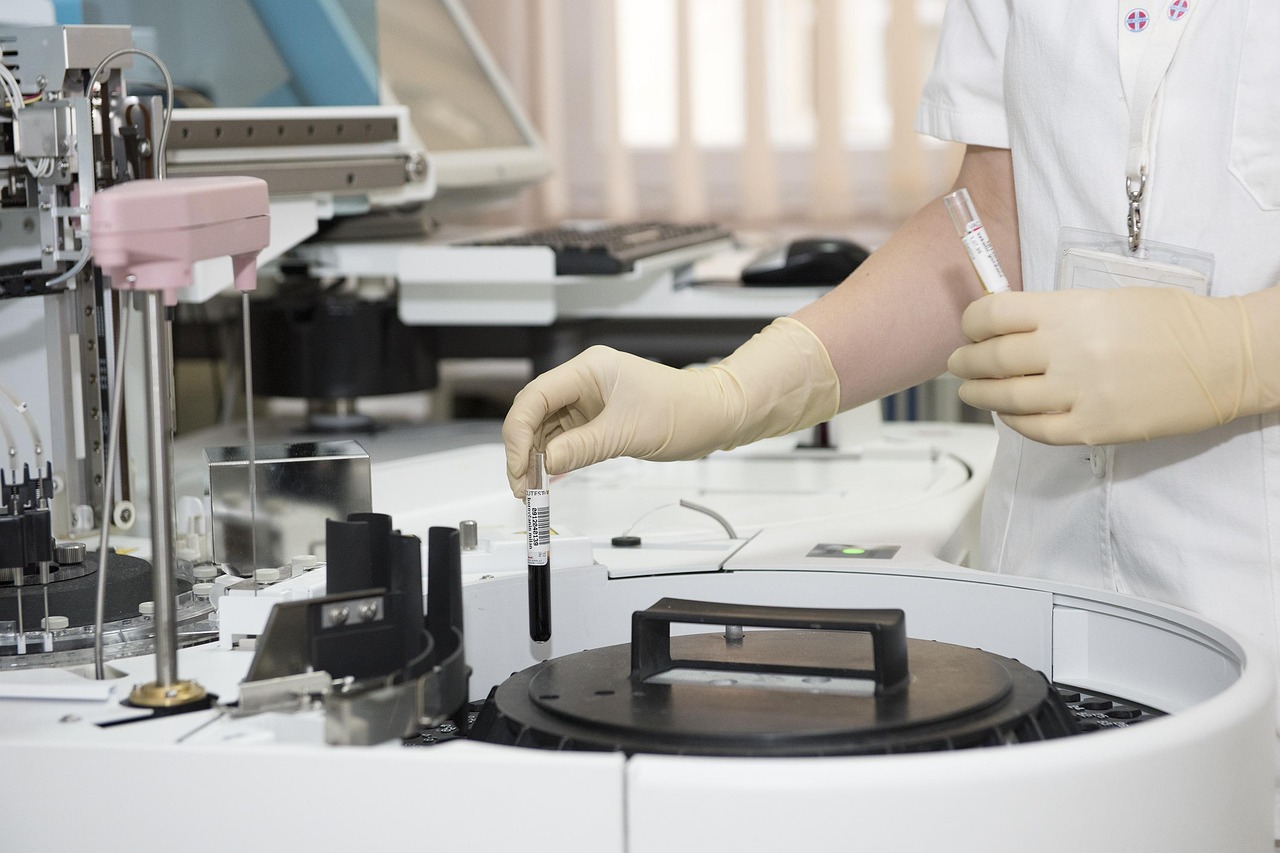
TL;DR: Understanding what to avoid before a thyroid test is crucial for ensuring accurate results. This guide outlines ten things you should never do, from dietary changes to strenuous exercise, to maximize the reliability of your thyroid function assessment.
Thyroid Test: Unraveling Hormonal Balance
A thyroid test is a vital tool for diagnosing and managing thyroid disorders, conditions that affect metabolism and overall well-being. These disorders, such as hypothyroidism and hyperthyroidism, impact energy levels, weight, mood, and much more. Accurate diagnosis hinges on obtaining reliable test results, which can be compromised by certain pre-test activities. This article delves into ten things you should never do before undergoing a thyroid test to ensure precise and meaningful interpretations of your results.
10 Things You Should Never Do Before a Thyroid Test
1. Avoid Dietary Changes in the Week Leading Up to the Test
Modifying your diet drastically, especially cutting out entire food groups or significantly increasing/decreasing calorie intake, can artificially alter thyroid hormone levels. This could lead to inaccurate test results. Stick to your normal dietary habits as closely as possible during the week before your test.
2. Don’t Go on a Crash Diet or Fast Before the Test
Rapid weight loss through severe restriction or fasting can trigger a stress response in your body, impacting thyroid function. Aim for stable weight management practices leading up to your test to ensure your results reflect your typical metabolic state.
3. Steer Clear of Excessive Caffeine Consumption
Caffeine stimulates the nervous system and can temporarily raise thyroxine (T4) levels, skewing test results. Limit caffeine intake, especially in the days immediately before your test, to ensure a more accurate assessment of your thyroid function.
4. Don’t Take Any New Medications Without Consulting Your Doctor
Certain medications, including some commonly prescribed for heartburn, depression, and seizures, can interfere with thyroid tests. Always discuss any new prescriptions or supplements you’re taking with your doctor before scheduling a thyroid test to avoid potential inaccuracies.
5. Avoid Strenuous Exercise Right Before the Test
Intense physical activity can temporarily elevate stress hormones, which may impact thyroid hormone levels. Plan your exercise routine around your test schedule, avoiding strenuous workouts within 24-48 hours prior to the test.
6. Don’t Ignore Sleep Disruption
Thyroid function is closely linked to sleep quality. Chronic sleep deprivation or irregular sleep patterns can throw off your hormonal balance. Aim for consistent and sufficient sleep in the weeks leading up to your test to ensure more reliable results.
7. Refrain from Using Smoke or Incense Before the Test
Certain chemicals found in tobacco smoke and incense can interfere with thyroid tests. Avoid exposure to these substances, especially immediately before providing a sample for testing.
8. Don’t Rely on Over-the-Counter Medications for Symptom Relief
Taking over-the-counter medications designed to manage symptoms of potential thyroid disorders (like levothyroxine) without medical supervision can skew test results. Always consult your doctor before starting any new treatment regimen.
9. Don’t Panic and Self-Diagnose
While it’s natural to worry about thyroid health, attempting to self-diagnose based on symptoms alone can lead to inaccurate assumptions and unnecessary anxiety. Trust the professional assessment provided by your healthcare provider.
10. Be Mindful of Stress Levels
Prolonged stress can impact thyroid function. Manage stress through techniques like meditation, yoga, or deep breathing exercises in the lead-up to your test to ensure your results reflect your baseline hormonal balance.
FAQ
Q: How long before a thyroid test should I avoid these activities?
A: The specific time frame varies depending on the activity. Generally, avoid significant dietary changes, strenuous exercise, and caffeine for at least one week prior to the test. Other practices like smoking cessation or stress management should be ongoing.
Q: Can stress really impact my thyroid test results?
A: Absolutely. Chronic stress triggers the release of hormones that can temporarily disrupt thyroid function. By managing your stress levels before the test, you help ensure more accurate results.
Q: What if I’m on medication for a thyroid condition? Should I stop taking it before the test?
A: Never stop taking prescribed thyroid medication without consulting your doctor. They can guide you on how to prepare for the test while maintaining appropriate hormone levels.
Q: How accurate are thyroid tests anyway? Can anything affect their reliability?
A: Thyroid tests, like TSH (Thyroid Stimulating Hormone) and T3/T4 levels, are generally quite reliable when interpreted correctly by a healthcare professional. However, factors such as improper sample handling or incorrect test methods can impact accuracy.
Q: Can I still get a thyroid test if I’m nursing?
A: Yes, you can still have a thyroid test while breastfeeding. However, discuss any concerns about potential medication interactions with your doctor before proceeding.
Conclusion
Obtaining accurate thyroid test results is essential for receiving appropriate care and managing your thyroid health effectively. By avoiding the aforementioned activities in the weeks leading up to the test, you’ll ensure that your results provide a clear picture of your thyroid function. Always consult with your healthcare provider for personalized guidance based on your unique medical history.