TL;DR:
Before taking a thyroid test, it’s crucial to understand what to avoid in your diet. Certain foods and drinks can interfere with test results, potentially leading to inaccurate diagnoses. This article delves into the dos and don’ts of nutrition pre-thyroid test, offering guidance on foods and beverages to steer clear of for optimal results.
Understanding Thyroid Tests
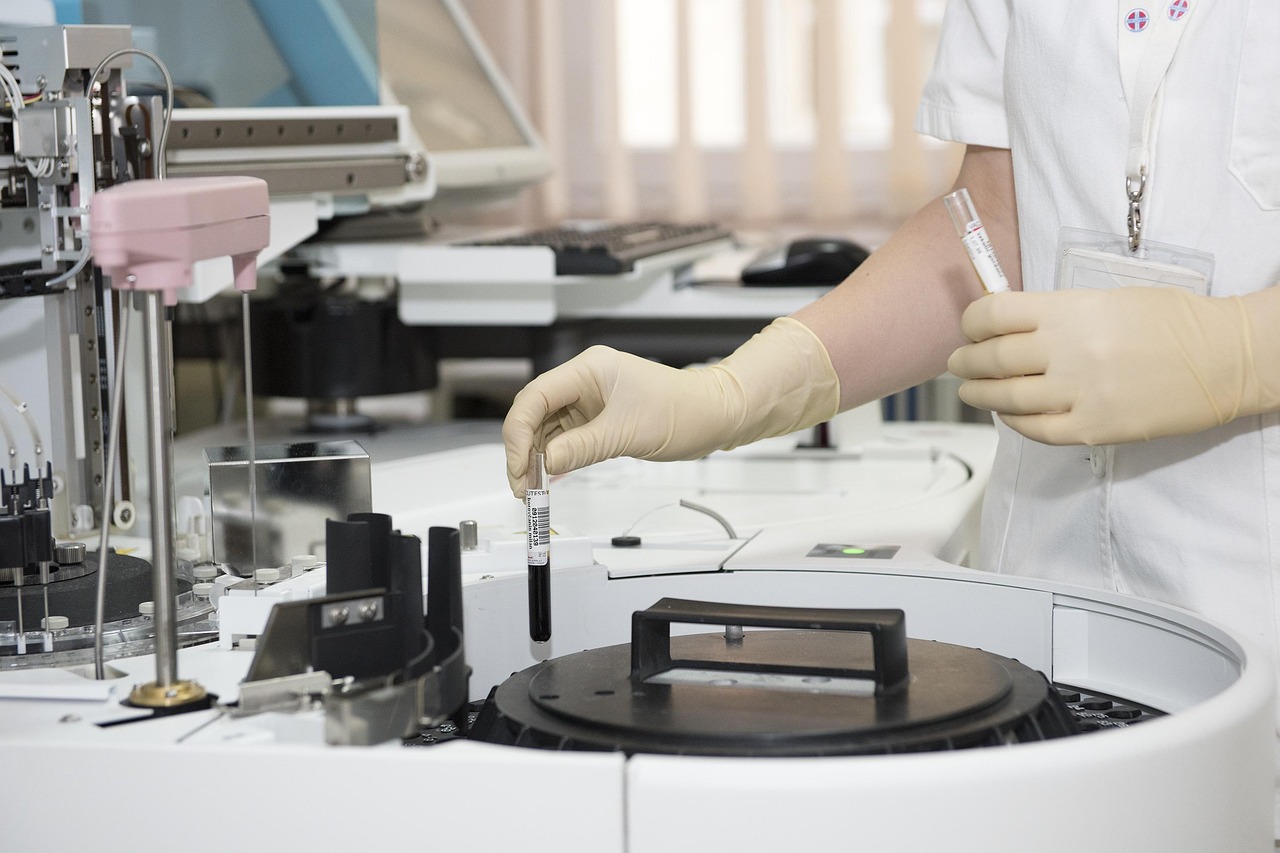
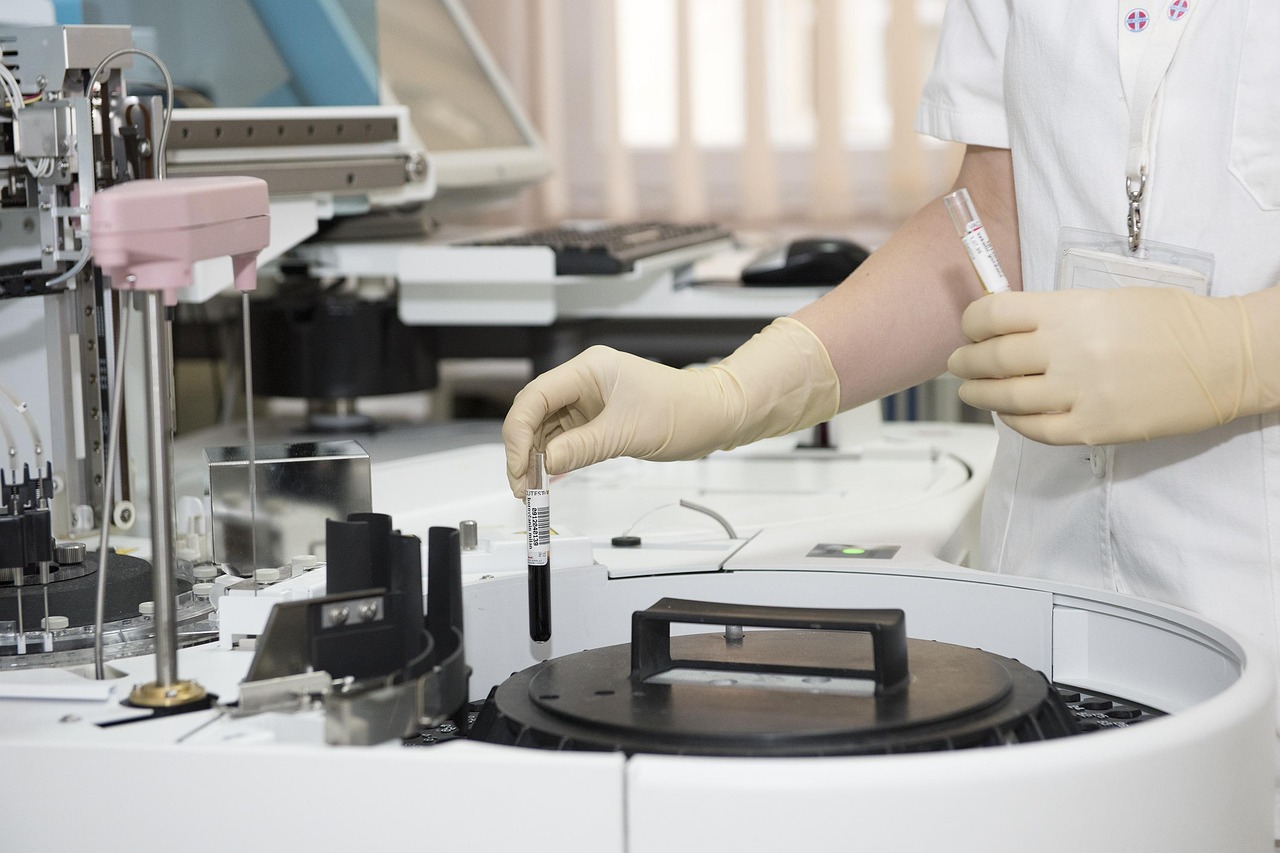
A thyroid test, often involving blood tests like TSH (Thyroid-Stimulating Hormone), T3, and T4, is a vital tool in diagnosing thyroid disorders. These hormones play a pivotal role in regulating metabolism, energy production, and overall bodily functions. Accurate test results hinge on a clear understanding of what to consume—and what to avoid—beforehand.
Why Certain Foods & Drinks Matter
Some foods and drinks contain substances that can impact thyroid function or interfere with test results. These include:
-
Iodine: Essential for thyroid hormone production, iodine is commonly found in seafood, dairy, and fortified salt. However, excessive intake can skew test results.
-
Goitrogens: Found in raw cabbage, broccoli, kale, and other cruciferous vegetables, goitrogens can inhibit thyroid function and lower TSH levels, potentially masking hypothyroidism.
-
Caffeine: While a cup of coffee or tea might seem harmless, high caffeine intake can elevate adrenaline levels, affecting TSH readings.
-
Certain Supplements: Some supplements, like selenium and vitamin C in large doses, may interfere with thyroid tests. Always consult your doctor about taking any supplements before testing.
Foods & Drinks to Avoid Before Your Thyroid Test
To ensure accurate results, it’s crucial to steer clear of the following:
1. Iodine-Rich Foods (24-48 Hours Prior)
- Seafood (especially shellfish and seaweed)
- Dairy products
- Iodized salt
- Fortified cereals
2. Goitrogenic Vegetables (6-8 Hours Before)
- Broccoli
- Cabbage
- Kale
- Brussels sprouts
3. High Caffeine Intake
- Avoid coffee, tea, energy drinks, and any caffeinated beverages at least 12 hours before your test.
4. Certain Supplements (As Advised by Your Doctor)
- Discuss supplement use with your healthcare provider well in advance of testing. Some may need to be temporarily discontinued or adjusted prior to your thyroid test.
What to Eat and Drink Instead
While it’s crucial to avoid foods that can interfere, a balanced diet rich in nutrient-dense options supports overall thyroid health. Consider these alternatives:
- Lean Proteins: Chicken, turkey, fish, tofu, legumes
- Complex Carbohydrates: Brown rice, quinoa, whole wheat bread, oats
- Healthy Fats: Avocados, nuts, seeds, olive oil
- Fruits and Vegetables (Non-Goitrogenic): Apples, oranges, carrots, spinach, asparagus
- Dairy Alternatives: Soy or almond milk, yogurt
- Hydrate: Drink plenty of water throughout the day.
Pre-Test Preparation Tips
- Consult Your Doctor: Always discuss your diet and medication regimen with your healthcare provider before testing.
- Maintain Normal Eating Habits: Avoid drastic dietary changes leading up to the test. Stick to your regular, balanced diet.
- Get Adequate Rest: Sleep plays a crucial role in hormone regulation. Aim for 7-8 hours of quality sleep the night before testing.
- Manage Stress: High stress levels can affect hormone production. Practice relaxation techniques like deep breathing or meditation if needed.
Frequently Asked Questions
-
Can I eat breakfast before my thyroid test?
Yes, you can and should eat a balanced breakfast as usual. Avoid goitrogenic foods in the morning, however.
-
How long do I need to fast before a thyroid blood test?
Most labs require no fasting for thyroid tests. However, always confirm with your doctor or lab specifications.
-
Will alcohol affect my thyroid test results?
Alcohol consumption can interfere with some lab tests, but its impact on thyroid tests is minimal. It’s best to avoid excessive drinking in general for optimal health.
-
Should I take my vitamins before the test?
Discuss any supplements you’re taking with your doctor. Some may need to be temporarily stopped or adjusted before testing.
-
What if I accidentally eat something on the "do not consume" list?
Don’t panic. One isolated incident of eating a restricted food is unlikely to significantly affect your results. However, try to avoid such foods leading up to the test for the most accurate readings.
Conclusion
A simple dietary adjustment before your thyroid test can go a long way in ensuring accurate results. By avoiding iodine-rich foods, goitrogenic vegetables, and high caffeine intake, you provide your body—and the testing lab—with the clearest picture of your thyroid function. Remember to consult with your healthcare provider for personalized guidance tailored to your specific situation.