TL;DR
Before undergoing a thyroid test, it’s crucial to understand what your doctor might need you to avoid. This preparation ensures accurate results and guides proper diagnosis. This article delves into the significance of dietary adjustments, medication management, and other factors that can impact thyroid test outcomes.
Introduction to Thyroid Tests
A thyroid test is a vital tool for diagnosing thyroid disorders, such as hypothyroidism or hyperthyroidism. These conditions affect millions worldwide and can lead to a range of symptoms, from fatigue and weight gain to rapid heartbeat and tremors. A simple blood test can uncover imbalances in thyroid hormones (T3, T4, and TSH), guiding doctors toward effective treatment plans.
Why Preparation Matters Before Your Thyroid Test
Proper preparation is key to ensuring the accuracy of your thyroid test results. Certain factors can interfere with test readings, leading to misdiagnosis or delayed treatment. Here’s what your doctor might advise you to avoid beforehand:
1. Medications and Supplements
Some medications and supplements can alter thyroid hormone levels. Inform your doctor about any drugs, vitamins, or herbal remedies you’re taking. They may recommend stopping or reducing certain ones temporarily, especially those known to interact with thyroid function.
Examples:
- Beta-blockers (for anxiety or high blood pressure)
- Certain antidepressants
- Iron supplements
- Calcium supplements
2. Dietary Factors
What you eat can significantly impact your thyroid. A thyroid test is more accurate when your body hasn’t been exposed to certain substances that may interfere:
-
Iodine: Avoid excessive iodine intake from sea food, iodized salt, or supplements for a few days before the test. While iodine is essential for thyroid hormone production, high levels can skew test results.
-
Goitrogenic Foods: These foods contain compounds (goitrogens) that can slow down thyroid function. Examples include broccoli, cabbage, cauliflower, and soy products. Limit your intake of these vegetables a few days prior to testing.
3. Stress and Physical Activity
Hormonal responses to stress or intense exercise can temporarily affect thyroid function. Try to avoid stressful situations or strenuous workouts for a couple of days before your test. Aim for moderate, regular physical activity on most days leading up to the test.
4. Sleep Patterns
Maintaining consistent sleep cycles is crucial for hormonal balance. Avoid shift work or sleeping during unusual hours in the days before your thyroid test. Strive for 7-9 hours of quality sleep each night.
What to Expect During Your Thyroid Test
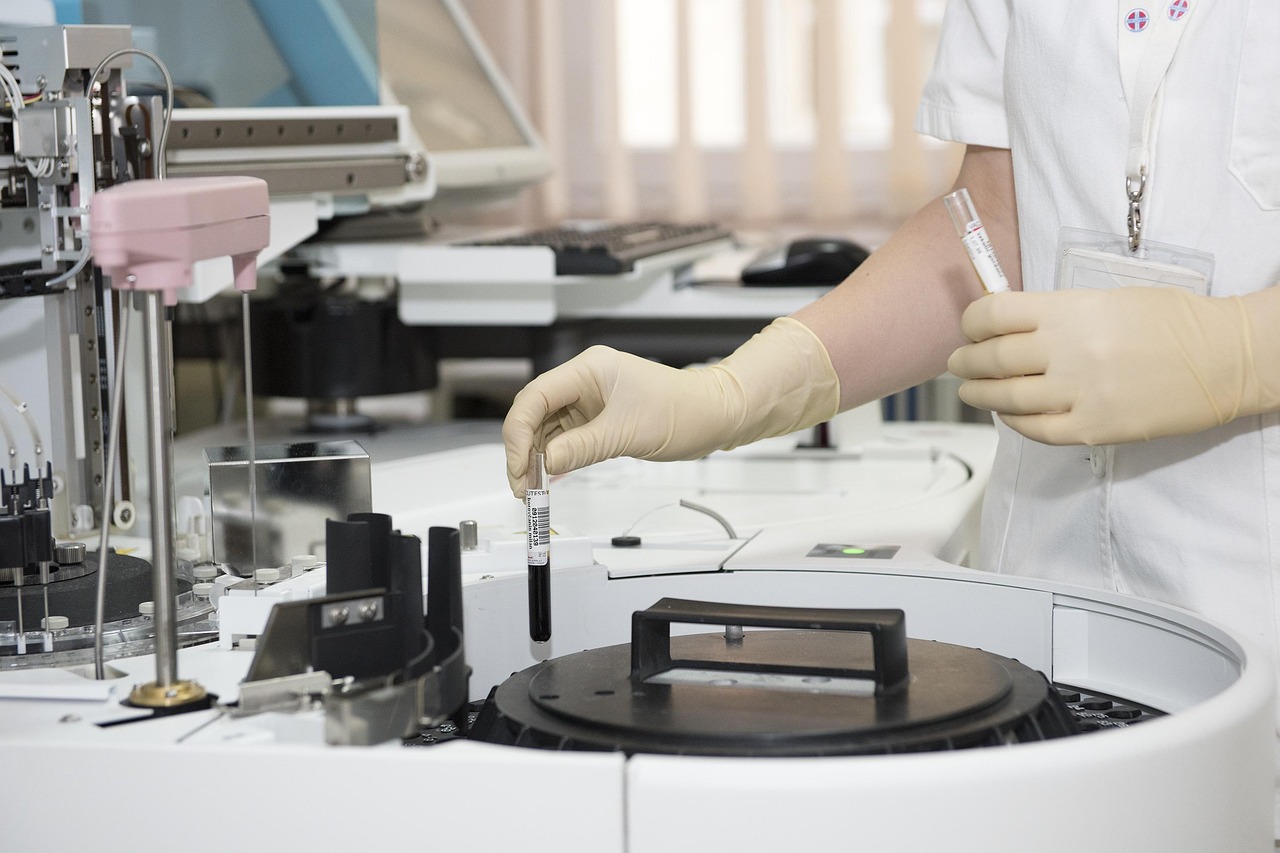
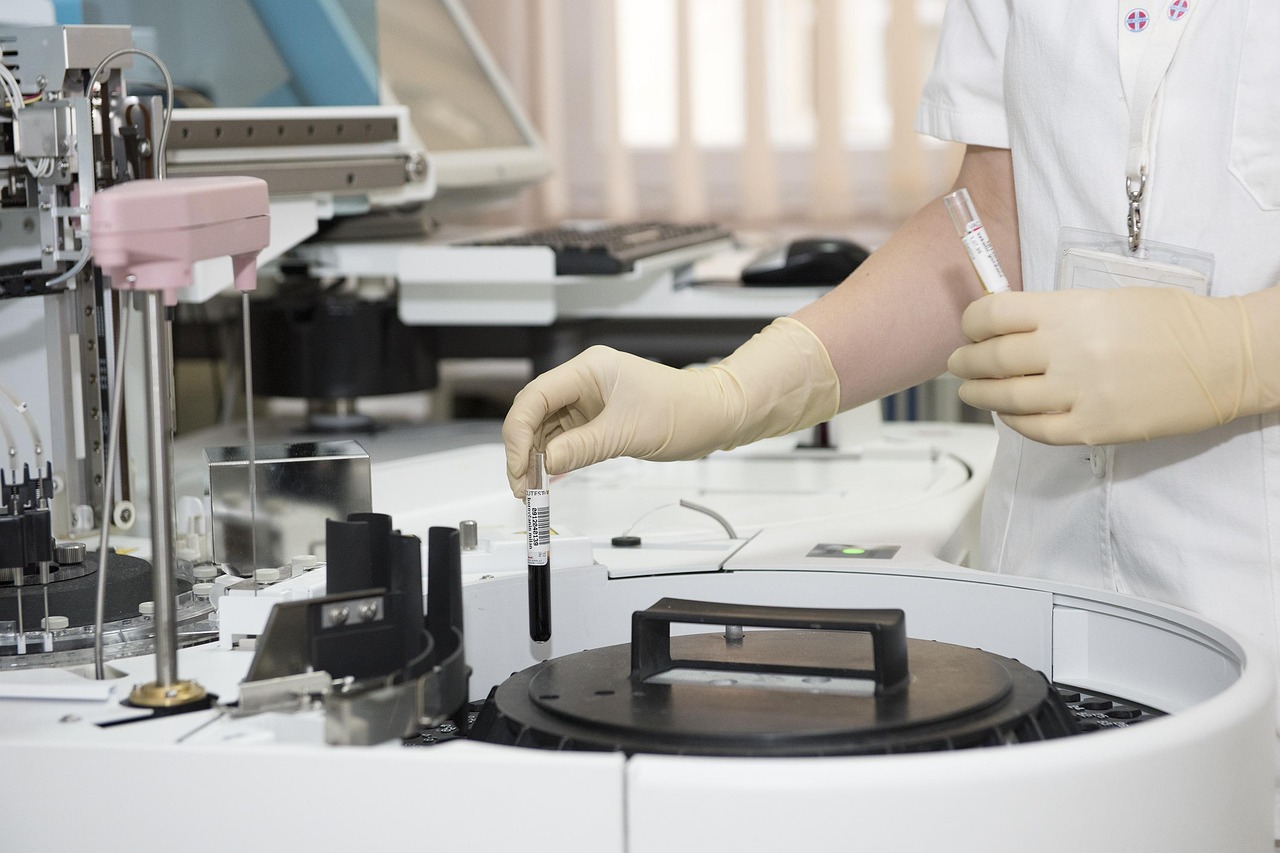
The most common thyroid test is a simple blood draw, where healthcare providers take a sample of your blood to measure:
- TSH (Thyroid-Stimulating Hormone): This hormone signals the thyroid gland to produce and release T3 and T4.
- T3 (Triiodothyronine) and T4 (Thyroxine): These are the primary hormones released by the thyroid that regulate metabolism.
Interpretations of Thyroid Test Results
Your doctor will analyze your test results in relation to your symptoms, medical history, and other factors. Normal ranges for TSH, T3, and T4 can vary slightly between labs, so your doctor considers these values within a broader context:
-
Hypothyroidism: Often indicated by high TSH levels along with low T3 and T4. This suggests the thyroid isn’t producing enough hormones.
-
Hyperthyroidism: Characterized by low TSH, high T3, and high T4. It suggests the thyroid is overproducing hormones.
Frequently Asked Questions (FAQs)
1. Can I eat before a thyroid test?
Yes, you can generally eat before your thyroid test. However, avoid large meals or foods high in iodine or goitrogens for optimal results.
2. How long does it take to prepare for a thyroid test?
Preparation time varies, but most doctors recommend avoiding specific substances for 1-3 days prior to the test. Always follow your doctor’s guidance.
3. Will all my medications be checked for interactions with thyroid tests?
Your doctor will consider potential medication interactions, but not every medication is automatically screened. Inform them about all drugs and supplements you take.
4. Can stress affect thyroid test results?
Yes, stress can temporarily impact thyroid function. Aim for calmness and consistent sleep patterns in the days leading up to your test.
5. What if I have a history of eating disorders? Will that affect my thyroid test?
Eating disorders can indeed influence thyroid hormone levels. Be open with your doctor about any eating-related issues, as they may need to interpret your results carefully.
Conclusion
A successful thyroid test relies on accurate readings, which are heavily influenced by pre-test preparation. By avoiding certain medications, dietary substances, and maintaining optimal health conditions, you ensure that your test results reflect your thyroid’s true state. Always consult with your healthcare provider for personalized guidance before undergoing a thyroid test.