Skip to content

164news.com

  • Contact Us
  • Toggle search form
thyroid-test-understanding-preparations-640x480-mv3cx7

Thyroid Test: Understanding Preparations to Ensure Accurate Results

Posted on April 18, 2026 By Thyroid Test No Comments on Thyroid Test: Understanding Preparations to Ensure Accurate Results

TL;DR

A thyroid test is crucial for diagnosing thyroid disorders, but optimal preparation is essential to ensure accurate results. This article delves into why your doctor might advise you to avoid certain activities and substances before a thyroid test, highlighting the impact on test accuracy and interpreting the significance of your results.

Why Pre-Test Preparations Matter for Thyroid Tests

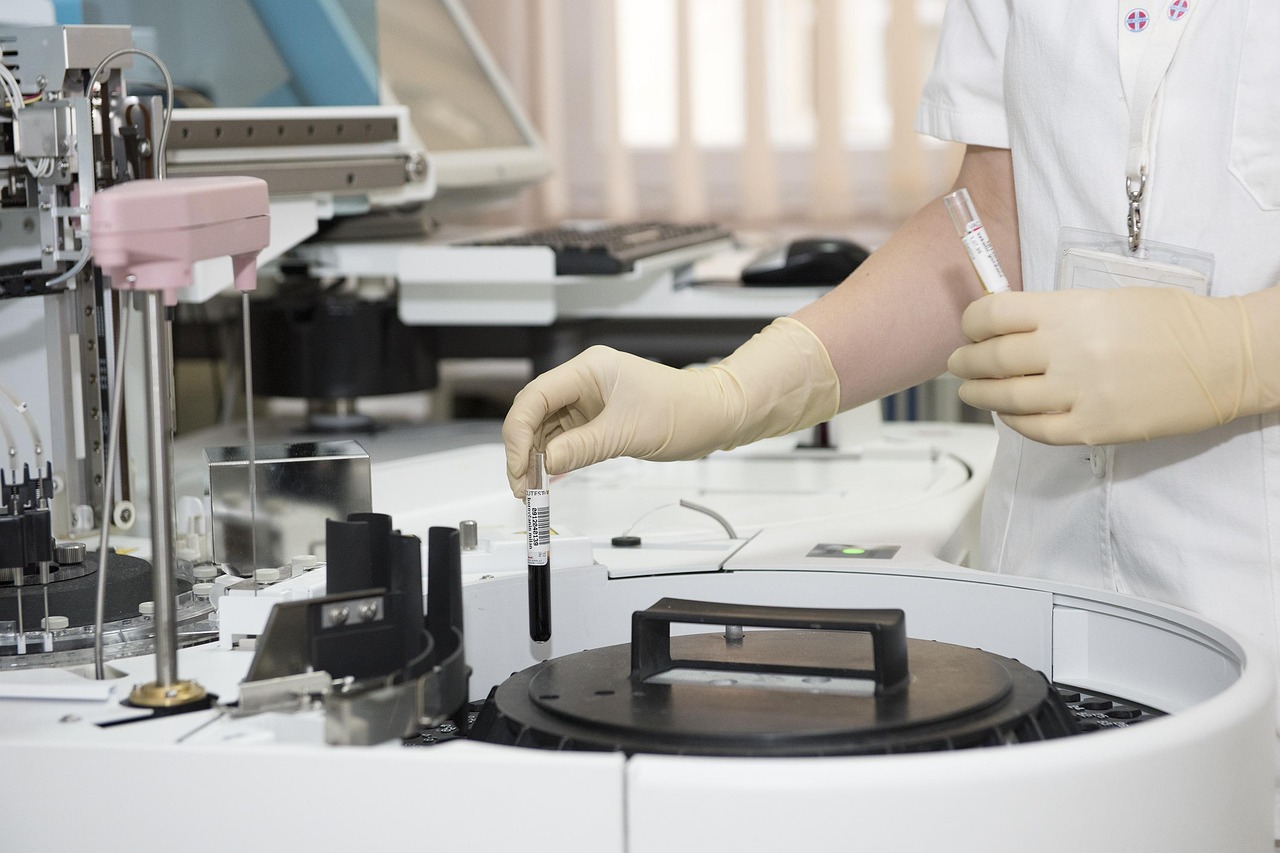
A thyroid test measures the levels of thyroid hormones in your blood, providing vital information about your thyroid’s function. However, certain factors can interfere with these measurements, leading to inaccurate or misleading results. Therefore, it’s crucial to understand what your doctor might advise you to avoid before undergoing a thyroid test.

Pre-Test Considerations: What to Avoid

1. Medications and Supplements

Why: Some medications and supplements can alter thyroid hormone levels, affecting the accuracy of the test results.

What to Do:

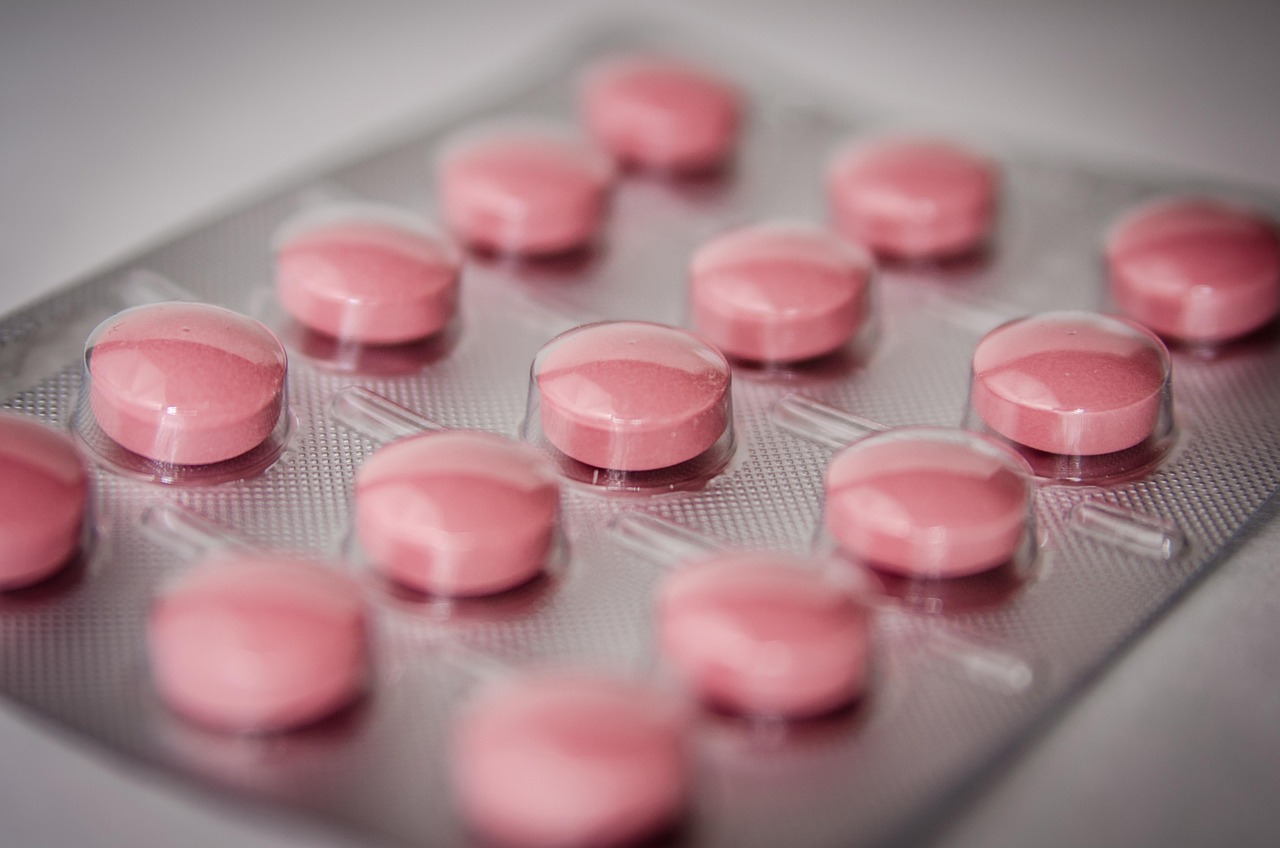
  • Inform your doctor: Before the test, disclose all medications and supplements you’re taking, even over-the-counter ones.
  • Adjust as advised: Your doctor might suggest temporarily stopping or reducing certain medications/supplements that could interfere, especially those known to affect thyroid function like beta-blockers, iodinated contrast media, or certain antidepressants.

2. Iodine-Rich Foods

Why: Consuming large amounts of iodine just before a test can elevate thyroxine (T4) levels, potentially leading to incorrect interpretations.

What to Do: Avoid foods rich in iodine, such as:

  • Seafood (especially shellfish and fish like tuna, sardines, and cod)
  • Iodized salt
  • Dairy products
  • Some types of bread and cereal

3. Physical Stress

Why: Intense physical activity or illness can temporarily disrupt thyroid hormone levels, affecting test accuracy.

What to Do:

  • Time your test: Request a test during a period of relative health and stability.
  • Avoid extreme exercise: Refrain from strenuous workouts or intense activities for a few days before the test.

4. Emotional Stress

Why: Chronic stress can impact thyroid function, potentially skewing test results.

What to Do:

  • Manage stress: Practice relaxation techniques like deep breathing, meditation, or yoga in the lead-up to your test.
  • Seek support: Talk to friends, family, or a therapist if you’re dealing with emotional stressors.

When to Avoid Testing

In some cases, your doctor might advise against a thyroid test under specific circumstances:

  • During pregnancy: Thyroid tests during pregnancy require special consideration due to potential effects on the developing fetus.
  • Recent surgery or severe illness: Test results may not be reliable immediately after significant health events. Your doctor will advise when it’s safe to test again.

Understanding Thyroid Test Types and Interpretations

There are various thyroid tests, each providing different insights into thyroid function:

1. TSH (Thyroid-Stimulating Hormone) Test

This measures the amount of TSH in your blood, indicating how well your thyroid is responding to TSH signals from the brain.

Normal Range: The reference range varies slightly by lab, but generally falls between 0.4-4.0 mIU/L.

2. T3 and T4 Tests

These measure triiodothyronine (T3) and thyroxine (T4), the thyroid hormones responsible for regulating metabolism.

Normal Ranges:

  • T3: Approximately 270-370 pg/mL (1.0-15.2 nmol/L)
  • T4: Around 4.6-12.0 mIU/L (89-218 pmol/L)

Interpreting Results

Your doctor will consider the results of these tests, along with your symptoms and medical history, to diagnose a thyroid condition, which could include hypothyroidism, hyperthyroidism, or other less common disorders.

Conclusion

A thyroid test is a valuable tool for diagnosing thyroid problems, but accurate interpretation hinges on proper preparation. Following your doctor’s advice regarding medications, diet, physical and emotional state, and timing of the test will ensure that your results provide a clear picture of your thyroid health. Always discuss any concerns or questions with your healthcare provider to make informed decisions about your care.

FAQ

1. Can I eat before a thyroid test?

Yes, you can generally eat before a thyroid test. However, avoid consuming large meals high in iodine close to the test time.

2. What if I’m taking medication that might affect my thyroid test results?

Inform your doctor about all medications and supplements you’re taking. They might advise you to stop or reduce certain ones temporarily to ensure accurate results.

3. How soon after exercise can I get a thyroid test?

Avoid strenuous exercise for at least 24-48 hours before the test to allow your body to recover. This ensures that your hormone levels are in a more stable range for accurate measurement.

4. Are there any foods I should avoid leading up to a thyroid test?

In addition to limiting iodine-rich foods, try to avoid excessive caffeine and alcohol consumption close to the test date as these can also impact thyroid function.

5. What if I’m pregnant? How does that affect my thyroid test?

Pregnancy requires special consideration for thyroid tests due to hormonal changes. Consult your obstetrician or endocrinologist for guidance on timing and interpretation of results during pregnancy.

Thyroid Test

Post navigation

Previous Post: Should You Fast Before a Thyroid Test? A Comprehensive Guide
Next Post: Thyroid Test: 7 Common Mistakes to Avoid Before Your Appointment

Leave a Reply Cancel reply

Your email address will not be published. Required fields are marked *

Editor's Picks

  • Long Island Real Estate Dispute Resolution
  • Commercial Plumbing Installation Denver
  • Denver Plumber for Emergency Services
  • Denver Gas Line Replacement
  • Affordable Plumbing Repair Denver
  • Leak Detection Services Denver CO
  • Sewer Backup Cleanup Denver Colorado
  • Expert Drain Snaking Denver
  • Plumbing for New Construction Denver
  • Sustainable Plumbing Solutions Denver

Recent Posts

  • BYD has built China’s first 4nm driving chip, and it’s putting LiDAR on a $10,000 car
  • Anthropic’s Milan office lands with Generali, Pirelli and Enel as named Italian customers
  • The hybrid model: why the smartest finance teams aren’t going all-in on AI
  • Oura’s Ring 5 is 40% smaller than its predecessor, and it arrives three days before a likely IPO filing
  • Waymo’s new Ojai robotaxi is cheaper to build, harder to break, and made in China

Recent Comments

  1. g555gameapk on Repairing a Leaking Denver Basin Augmentor: A Comprehensive Step-by-Step Guide
  2. xbet100 on Repairing a Leaking Denver Basin Augmentor: A Comprehensive Step-by-Step Guide
  3. hh55betcc on Repairing a Leaking Denver Basin Augmentor: A Comprehensive Step-by-Step Guide
  4. 5sbetwin on Expert Advice on Choosing the Right Sewer Backup Repair Company in Denver, Colorado
  5. 5sbet1 on Expert Advice on Choosing the Right Sewer Backup Repair Company in Denver, Colorado

Archives

  • May 2026
  • April 2026
  • March 2026

Editor's Picks

  • Long Island Real Estate Dispute Resolution
  • Commercial Plumbing Installation Denver
  • Denver Plumber for Emergency Services
  • Denver Gas Line Replacement
  • Affordable Plumbing Repair Denver
  • Leak Detection Services Denver CO
  • Sewer Backup Cleanup Denver Colorado
  • Expert Drain Snaking Denver
  • Plumbing for New Construction Denver
  • Sustainable Plumbing Solutions Denver

Copyright © 2026 164news.com.

Powered by PressBook Dark WordPress theme