TL;DR
A thyroid test is crucial for diagnosing thyroid disorders, but proper preparation is essential to ensure accurate results. This article delves into why your doctor might advise you to avoid certain substances before a thyroid test, offering insights to help you understand the process and optimize your health.
Why Your Doctor Wants You to Avoid These Things Before a Thyroid Test
A thyroid test is a critical tool for evaluating your thyroid function, but the results can be affected by various factors, including what you consume before the test. To ensure accurate readings, it’s important to follow your doctor’s advice regarding pre-test preparations. Here’s why certain actions and substances should be avoided before undergoing a thyroid test.
1. Understanding Thyroid Function and Tests
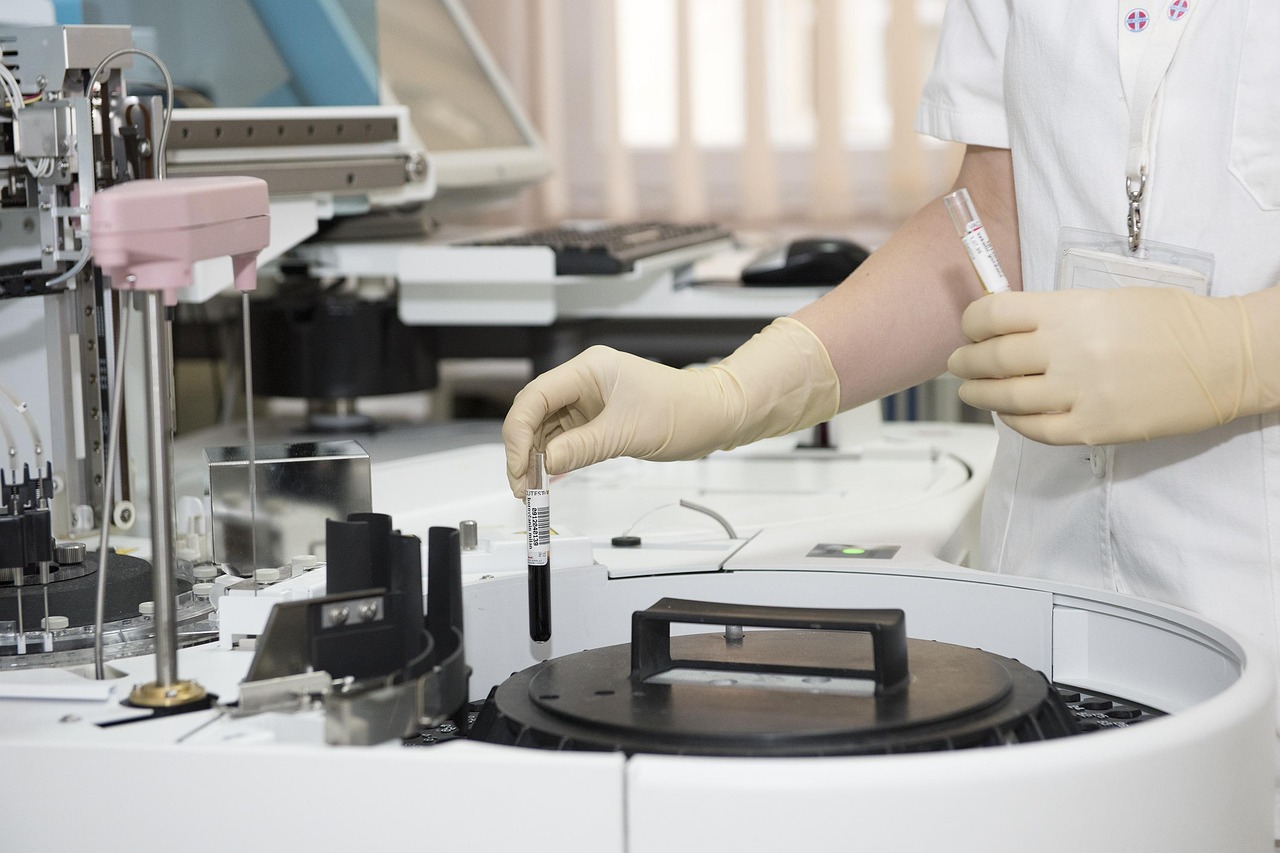
The thyroid gland, located at the base of your neck, plays a pivotal role in regulating metabolism by producing hormones that influence almost every cell in your body. A thyroid test measures the levels of these hormones, primarily thyroxine (T4) and triiodothyronine (T3), to diagnose conditions like hypothyroidism, hyperthyroidism, or thyroiditis.
2. What Your Doctor Might Advise Against
Before scheduling a thyroid test, your doctor may recommend:
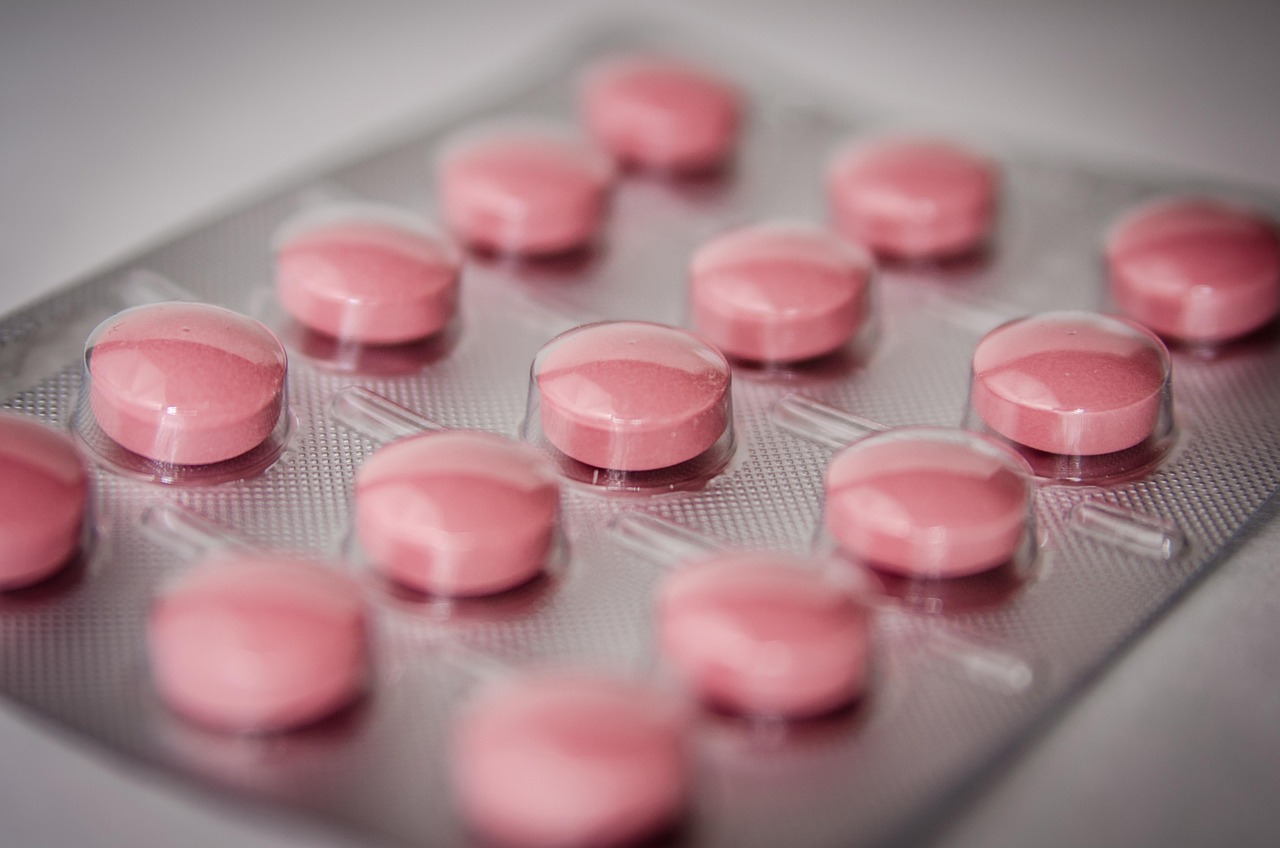
- Avoiding certain medications: Some drugs, such as beta-blockers and iodine-containing preparations, can interfere with test results.
- Not consuming caffeine or alcohol: These substances can alter hormone levels temporarily, potentially skewing test findings.
- Refraining from excessive physical activity: Intense exercise can also affect thyroid hormone levels, so it’s best to avoid strenuous activities before the test.
- Not eating or drinking anything except water: Fasting for a specific period (usually 8–12 hours) is often required to ensure accurate results.
3. The Impact of Diet and Lifestyle on Thyroid Tests
Several dietary and lifestyle factors can influence thyroid hormone levels:
- Iodine Intake: Iodine is essential for thyroid hormone production, so adequate intake from food sources like seaweed, dairy products, and iodized salt is crucial. However, excessive iodine intake through supplements or certain foods can suppress thyroid function.
- Caffeine and Alcohol: Caffeine stimulates the nervous system and increases adrenaline levels, while alcohol consumption can disrupt hormone balance and affect test results.
- Stress and Sleep: Chronic stress and inadequate sleep negatively impact thyroid health. Managing stress and maintaining a consistent sleep schedule are essential for optimal thyroid function.
4. When to Prepare and What to Expect
To prepare for a thyroid test:
- Follow your doctor’s instructions: Adhere strictly to any pre-test guidelines provided by your healthcare professional.
- Plan ahead: If lifestyle adjustments are needed, start making them several days or even weeks before the test to ensure stable hormone levels.
- Keep track of symptoms: Note any symptoms related to thyroid issues, as they can provide valuable context for interpreting test results.
5. Post-Test Considerations and Recovery
After the test:
- Discuss results with your doctor: Understand what the test outcomes mean and what further actions or treatments might be recommended.
- Continue healthy habits: Maintain a balanced diet, regular exercise, adequate sleep, and stress management to support thyroid health long-term.
Frequently Asked Questions (FAQs)
Q: How does food affect thyroid tests?
A: Certain foods high in iodine or those containing caffeine can influence thyroid hormone levels. It’s best to avoid excessive iodine intake from supplements or seafood and limit caffeine consumption before a thyroid test.
Q: Can stress impact my thyroid test results?
A: Yes, chronic stress can disrupt thyroid function. Managing stress through relaxation techniques, exercise, or therapy can help ensure more accurate test outcomes.
Q: Is it necessary to fast before a thyroid test?
A: Fasting for 8–12 hours typically before the test is often required to eliminate recent food and caffeine from your system, ensuring more reliable results.
Q: What happens if I don’t follow my doctor’s pre-test instructions?
A: Following your doctor’s guidance is crucial for accurate results. Failure to comply may lead to inaccurate test readings, potentially delaying proper diagnosis and treatment.
Q: Can alcohol consumption affect thyroid tests?
A: Yes, alcohol can interfere with hormone levels. Avoid drinking alcohol for 24–48 hours before a thyroid test to ensure optimal results.
Conclusion
Understanding the factors that can impact thyroid test results is essential for accurate diagnosis and effective treatment of thyroid disorders. By adhering to your doctor’s pre-test instructions, you contribute to obtaining reliable data. Remember, maintaining overall health through balanced nutrition, regular exercise, adequate sleep, and stress management supports optimal thyroid function. Always consult with a healthcare professional for personalized guidance based on your specific health needs.