TL;DR
If you’re scheduled for a thyroid test, knowing what to avoid before the exam is crucial for accurate results. This article delves into the essential dietary considerations, outlining specific foods and drinks to steer clear of to ensure your thyroid function tests provide reliable data. We’ll guide you through the do’s and don’ts, offering practical tips for preparation.
Understanding Thyroid Function Tests
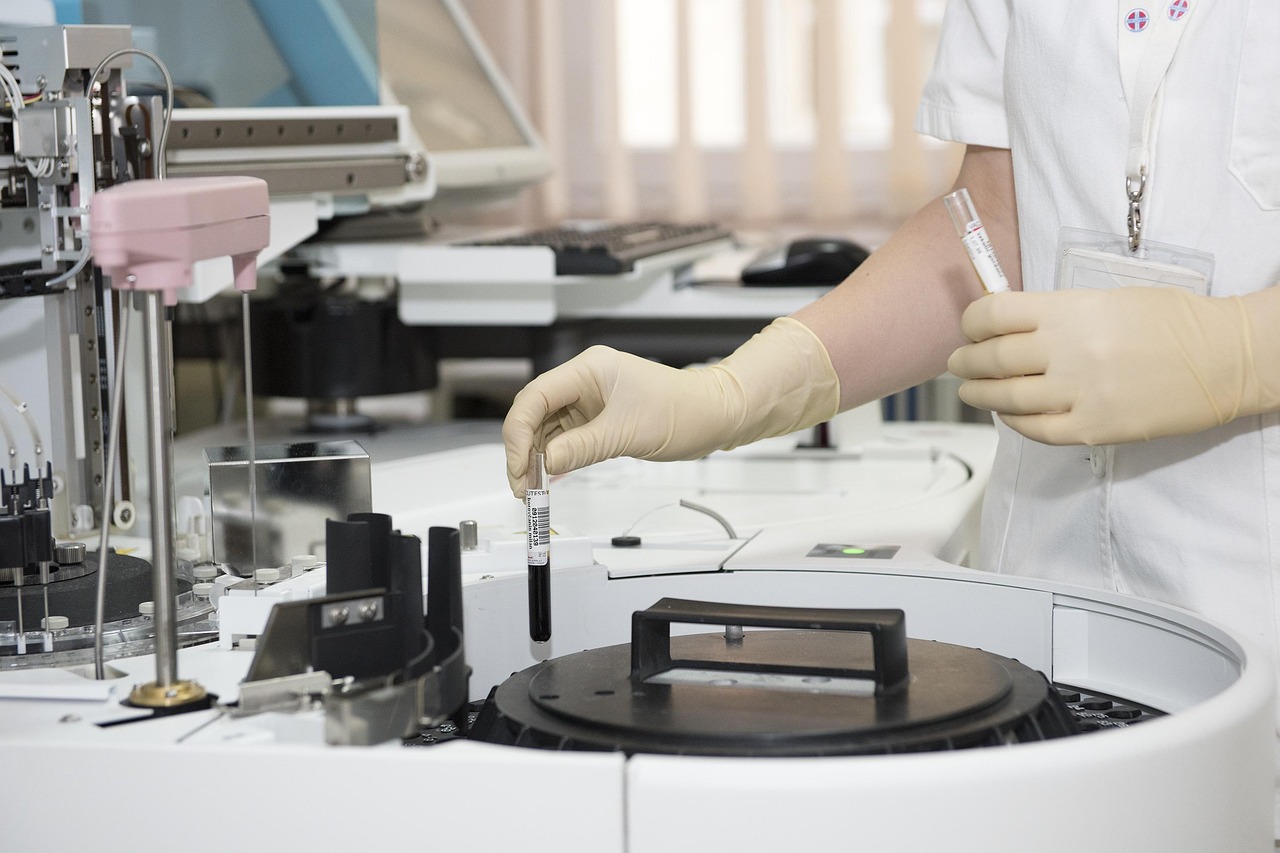
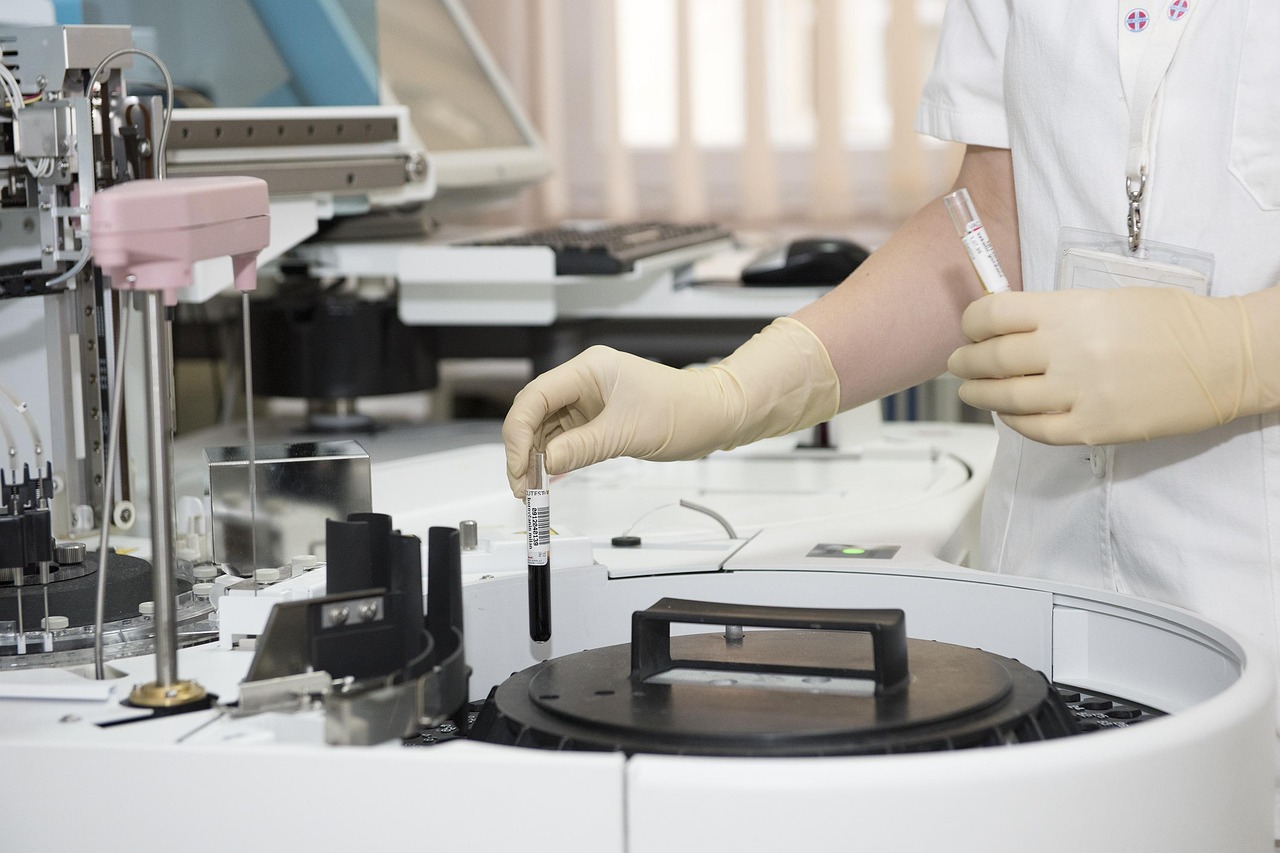
A thyroid test, also known as a thyroid panel or thyroid function test, assesses how well your thyroid gland is working. This involves analyzing blood samples to measure levels of thyroid hormones (T3, T4) and the thyroid-stimulating hormone (TSH). Accurate results are essential for a correct diagnosis and effective treatment of any thyroid conditions.
Foods and Drinks to Avoid Before Your Thyroid Test
Proper preparation is key to ensuring your test results are reliable. The following foods and beverages should be limited or avoided prior to your appointment:
1. Goitrogenic Foods
Goitrogens are compounds that can interfere with thyroid hormone production by inhibiting the uptake of iodine, a crucial element for thyroid function. While small amounts are generally safe, excessive consumption close to your test date might skew results. High goitrogen content is found in:
- Raw spinach and kale: These leafy greens are nutritious but rich in goitrogens. Opt for cooked varieties instead.
- Broccoli, cauliflower, and Brussels sprouts: Cruciferous vegetables also contain goitrogens. Limit intake a few days before your test.
- Soy products: Tofu, tempeh, and edamame can impact thyroid function due to their isoflavone content. Consider alternatives for pre-test meals.
2. High Iodine Intake
Iodine is vital for thyroid hormone production. However, consuming excessive iodine within a short period before the test may lead to false results. Avoid:
- Iodinated contrast media: Used in some medical scans, this can temporarily affect TSH levels. Discuss with your doctor if you’ve had recent imaging tests.
- Iodine supplements or medications: These should be discontinued several days prior to your thyroid test. Always consult your healthcare provider before stopping any medication.
- Highly iodized foods: Some seafood (e.g., shellfish, tuna) and salt substitutes may contain high levels of iodine. Limit intake in the pre-test period.
3. Caffeine and Alcohol
Both caffeine and alcohol can influence thyroid hormone levels:
- Caffeine: High doses or late consumption before the test may impact TSH results. Avoid caffeinated beverages like coffee, tea, and energy drinks for a few hours leading up to your appointment.
- Alcohol: Excessive drinking can disrupt hormone balance. It’s best to abstain from alcohol consumption for 24-48 hours before taking your thyroid test.
4. High-Fat Meals
Fatty meals can affect blood hormone levels, potentially influencing the accuracy of your results. Avoid large or heavy meals close to your test time. Opt for lighter, balanced meals a few hours beforehand.
What to Eat and Drink Before Your Thyroid Test
To support optimal thyroid function and ensure accurate test results, consider these dietary recommendations:
- Stay hydrated: Drink plenty of water throughout the day. Proper hydration supports overall health and hormone regulation.
- Choose complex carbohydrates: Opt for whole grains like brown rice, quinoa, and whole wheat bread. These provide sustained energy and support stable blood sugar levels.
- Incorporate healthy fats: Include sources like avocados, nuts, seeds, and olive oil in your meals. These are essential for overall health and hormone production.
- Eat plenty of fruits and vegetables: A diverse range of colorful produce supplies essential vitamins and minerals for thyroid health.
- Limit sugar intake: High sugar consumption can impact insulin levels and potentially affect thyroid function.
Sample Pre-Test Meal Plan (24 Hours Before)
- Breakfast: Oatmeal with almond milk, sliced bananas, and a sprinkle of cinnamon.
- Mid-Morning Snack: A small handful of mixed nuts and dried fruits.
- Lunch: Grilled chicken salad with mixed greens, cherry tomatoes, cucumber, and balsamic vinaigrette dressing.
- Afternoon Snack: Greek yogurt with fresh berries.
- Dinner (4-5 hours before test): Baked salmon with quinoa and steamed broccoli.
Frequently Asked Questions (FAQs)
-
Can I take vitamin supplements before my thyroid test?
It’s best to consult your healthcare provider about any supplements, including vitamins. Some supplements may interfere with test results, especially if taken close to the test date. -
What should I do if I accidentally consume something high in goitrogens before the test?
While it’s ideal to avoid goitrogenic foods beforehand, small amounts won’t significantly impact your results. If you’ve consumed a significant amount, try to eat a balanced meal with low goitrogen content to neutralize any potential effects. -
How long should I fast before giving blood for the thyroid test?
Fasting is generally not required for a thyroid panel. However, it’s best to avoid large meals or snacks for 2-3 hours before your appointment to ensure accurate results. -
Can stress affect my thyroid test results?
Stress can indeed influence hormone levels, including those of the thyroid. Try to maintain a calm state before and during your test to ensure more reliable results. -
What if I have a recent history of thyroid surgery or treatment? Should I change my diet before the test?
If you’ve undergone thyroid surgery or received radiation therapy, consult your doctor for specific dietary guidelines. They may recommend temporary dietary adjustments to prepare for the test.
Conclusion
Proper preparation is essential when undergoing a thyroid test. By avoiding certain foods and drinks, such as goitrogenic foods, high-iodine content, caffeine, alcohol, and large meals, you can ensure your test results accurately reflect your thyroid function. Following a balanced diet rich in whole foods and staying hydrated will support optimal thyroid health and contribute to reliable test outcomes.