TL;DR: Understanding whether and how to fast before a thyroid test is crucial for accurate results. This guide clarifies when fasting is necessary, what types of fasting are appropriate, and potential risks or benefits associated with fasting prior to a thyroid test.
Introduction to Thyroid Tests and Fasting
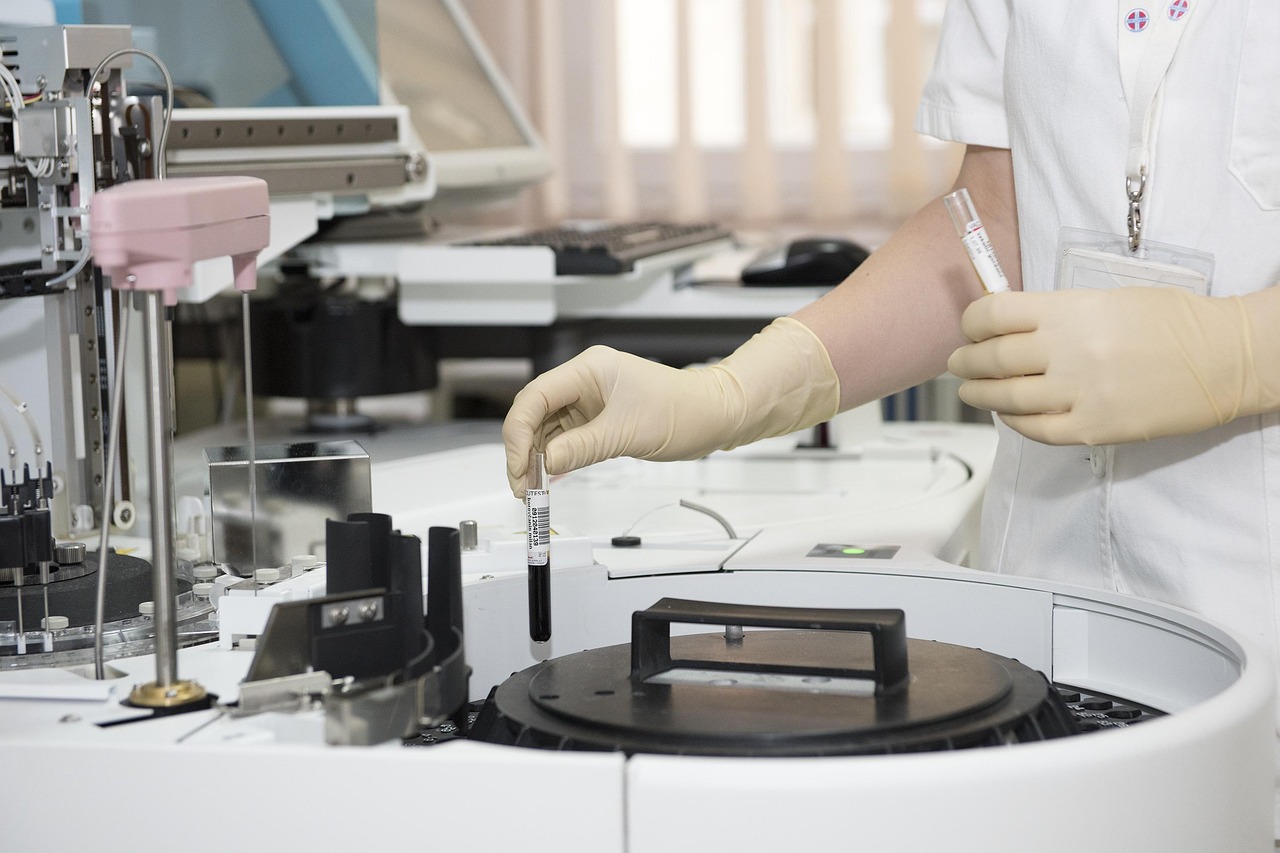
A thyroid test, often involving measuring TSH (Thyroid Stimulating Hormone) levels, is a common way to evaluate thyroid function. Accurate results depend on proper preparation, including considerations around fasting. This article delves into the science behind thyroid tests, explores different types of fasts, and offers guidance on whether and how to prepare for a thyroid test through fasting.
Understanding Thyroid Function and Tests
What is the Thyroid Gland?
The thyroid gland, located in the base of your neck, is a small butterfly-shaped organ responsible for producing hormones that regulate metabolism. These hormones influence almost every cell in your body, affecting energy production, growth, and development.
Why Are Thyroid Tests Important?
Thyroid tests, typically involving blood draws to measure TSH levels along with other thyroid hormones (T3 and T4), help diagnose conditions like:
- Hypothyroidism: An underactive thyroid leading to fatigue, weight gain, and depression.
- Hyperthyroidism: An overactive thyroid causing weight loss, increased heart rate, and anxiety.
- Thyroiditis: Inflammation of the thyroid gland.
Why Fasting Matters for Thyroid Tests
Fasting before a thyroid test can impact hormone levels in your blood, potentially influencing the accuracy of results. Here’s why it’s crucial to understand this process:
-
Fasting and Hormone Levels: During fasting, your body releases hormones that stimulate the thyroid gland to produce T4 (a major thyroid hormone). This natural response can lead to elevated T4 levels in your blood sample, potentially masking underlying hypothyroidism.
-
Time of Day Matters: The optimal time for a thyroid test is usually early morning, before breakfast. Fasting for at least 8 hours prior ensures that your body has had ample time to adjust its hormone levels naturally.
Types of Fasts and Thyroid Testing
Understanding different types of fasts can help you make an informed decision about preparation for your thyroid test:
1. Complete Fasting (No Calorie Intake)
This involves abstaining from all food and drink (except water) for a specific period, typically 8-12 hours. While complete fasting may provide the clearest picture of basal hormone levels, it’s not always practical or comfortable for everyone.
Pros:
- Accurately reflects fasted state hormone levels.
Cons:
- Can be difficult to maintain, leading to potential errors in results.
- May cause discomfort or dizziness for some individuals.
2. Partial Fasting (Calorie Restriction)
Partial fasting involves limiting calorie intake but not completely abstaining from food and drink. This can include:
- Skipping breakfast and having a light lunch before the test, ensuring you fast for at least 8 hours.
- Consuming only water or black coffee/tea without sugar during the fasted period.
Pros:
- More feasible than complete fasting for many people.
Cons:
- Still requires careful planning and discipline.
- May not be suitable for individuals with certain medical conditions or those taking medications.
3. Time-Restricted Feeding (Intermittent Fasting)
Intermittent fasting involves cycling between periods of eating and fasting, such as the popular 16/8 method (fasting for 16 hours, eating within an 8-hour window). This approach allows for flexibility in meal timing while still providing a fasted state for testing.
Pros:
- Offers flexibility in scheduling meals around test appointments.
- May have additional health benefits beyond thyroid test accuracy.
Cons:
- Requires discipline and planning to maintain the fasting schedule consistently.
When Not to Fast Before a Thyroid Test
While fasting can be beneficial for certain thyroid tests, there are circumstances when it’s best avoided:
-
Acute Illness: If you’re sick with flu, an infection, or other acute conditions, avoid fasting as your body needs nutrients to fight off the illness.
-
Medication Use: Consult your doctor about fasting if you take medications that could be affected by fasting, such as some diabetes drugs or thyroid hormones themselves.
-
Pregnancy or Breastfeeding: Pregnant or breastfeeding women should not fast for thyroid tests as nutrient deprivation can impact both mother and baby.
Preparing for Your Thyroid Test: A Step-by-Step Guide
To ensure accurate results from your thyroid test, follow these steps:
-
Consult Your Doctor: Before fasting or changing your diet, discuss it with your healthcare provider, especially if you have any underlying health conditions or take medications.
-
Choose the Right Fasting Approach: Select a fasting method that aligns with your lifestyle and is suitable for you based on medical advice.
-
Plan Ahead: Schedule your test at the recommended time of day (usually morning) and ensure you understand how long you need to fast.
-
Stay Hydrated: Even while fasting, drink plenty of water to support overall health and thyroid function.
-
Avoid Stress: Try to minimize stress before the test as it can temporarily affect hormone levels.
Potential Risks and Benefits of Fasting Before a Thyroid Test
Risks:
-
False Results: Inaccurate results due to elevated T4 levels during fasting can lead to misdiagnosis or inappropriate treatment.
-
Discomfort: Some individuals may experience dizziness, headaches, or irritability during fasting periods.
Benefits:
-
Improved Accuracy: Fasting can provide a clearer picture of your body’s basal hormone levels, aiding in accurate diagnosis.
-
Enhanced Metabolism: Intermittent fasting has been linked to improved insulin sensitivity and metabolic health.
Conclusion
Fasting before a thyroid test is a decision that requires careful consideration based on individual health status and testing goals. While fasting can improve the accuracy of results, it’s crucial to follow medical advice and choose a fasting method suitable for you. Remember, accurate diagnosis and treatment depend on providing your healthcare provider with the best possible sample.
FAQ
1. Can I eat fruits or vegetables during a fasted state before a thyroid test?
Fruits and vegetables are generally fine to consume during a partial fast as they provide essential nutrients while keeping calorie intake low. However, avoid fruit juices, smoothies, or high-sugar options that can disrupt hormone levels.
2. How long should I wait after eating before taking a thyroid test?
Most labs recommend fasting for at least 8-12 hours before a thyroid test. Check with your specific lab for their guidelines as they may vary slightly.
3. Will one night of fasting affect my thyroid test results?
A single night of fasting is unlikely to significantly impact your thyroid hormone levels. However, consistent or prolonged fasting may lead to more significant changes in hormone levels that could interfere with test accuracy.
4. Is it safe to fast for a thyroid test if I have hypothyroidism?
It’s essential to consult with your doctor before fasting if you have a history of hypothyroidism. They can advise on the best course of action based on your individual circumstances and hormone levels.
5. Can I drink coffee or tea before a thyroid test while fasting?
Black coffee or unsweetened tea is generally acceptable during fasting periods as they provide minimal calories or carbohydrates. Avoid adding sugar, cream, or other sweeteners that could raise your blood sugar levels.