TL;DR
A thyroid test is crucial for diagnosing thyroid disorders, but preparing properly can impact results. This article explores why your doctor might advise you to avoid certain activities and substances before a thyroid test, ensuring accurate readings of your thyroid-stimulating hormone (TSH) levels.
Why Your Doctor Wants You to Avoid These Things Before a Thyroid Test
A thyroid test, often involving measuring TSH levels, is a critical tool in diagnosing thyroid conditions like hypothyroidism or hyperthyroidism. To ensure accurate results, it’s essential to understand what your doctor might advise you to avoid before the test. This article delves into these recommendations, highlighting why they are crucial for obtaining reliable data about your thyroid function.
Understanding Thyroid Function and Tests
What is a Thyroid Test?
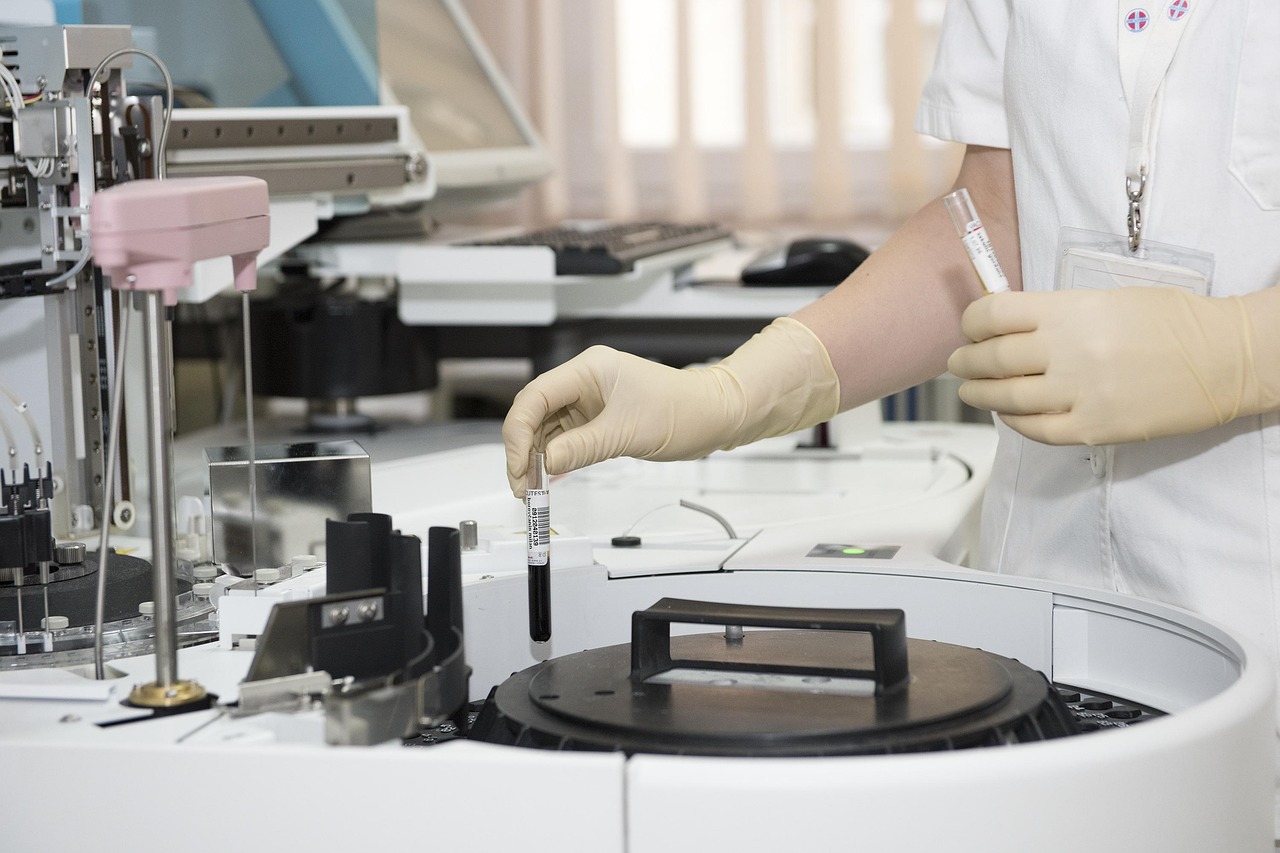
A thyroid test assesses your thyroid gland’s ability to produce hormones that regulate metabolism. The most common test measures TSH levels in your blood. Normal TSH levels indicate a healthy thyroid, while elevated or depressed levels suggest potential issues.
Types of Thyroid Tests
- TSH Test: Measures the amount of thyroid-stimulating hormone in your blood.
- Thyroid Hormone (T3 and T4) Tests: Checks for the presence of thyroxine (T4) and triiodothyronine (T3) hormones, which are produced by the thyroid gland.
- Antibody Tests: Detects antibodies that might indicate autoimmune thyroid disorders.
What to Avoid Before a Thyroid Test
Your doctor may recommend specific precautions to ensure your thyroid test results are accurate. Here’s what you should steer clear of before scheduling the test:
1. Certain Medications
Some medications can interfere with thyroid tests. Inform your doctor about any drugs, supplements, or herbal remedies you’re taking, especially those that:
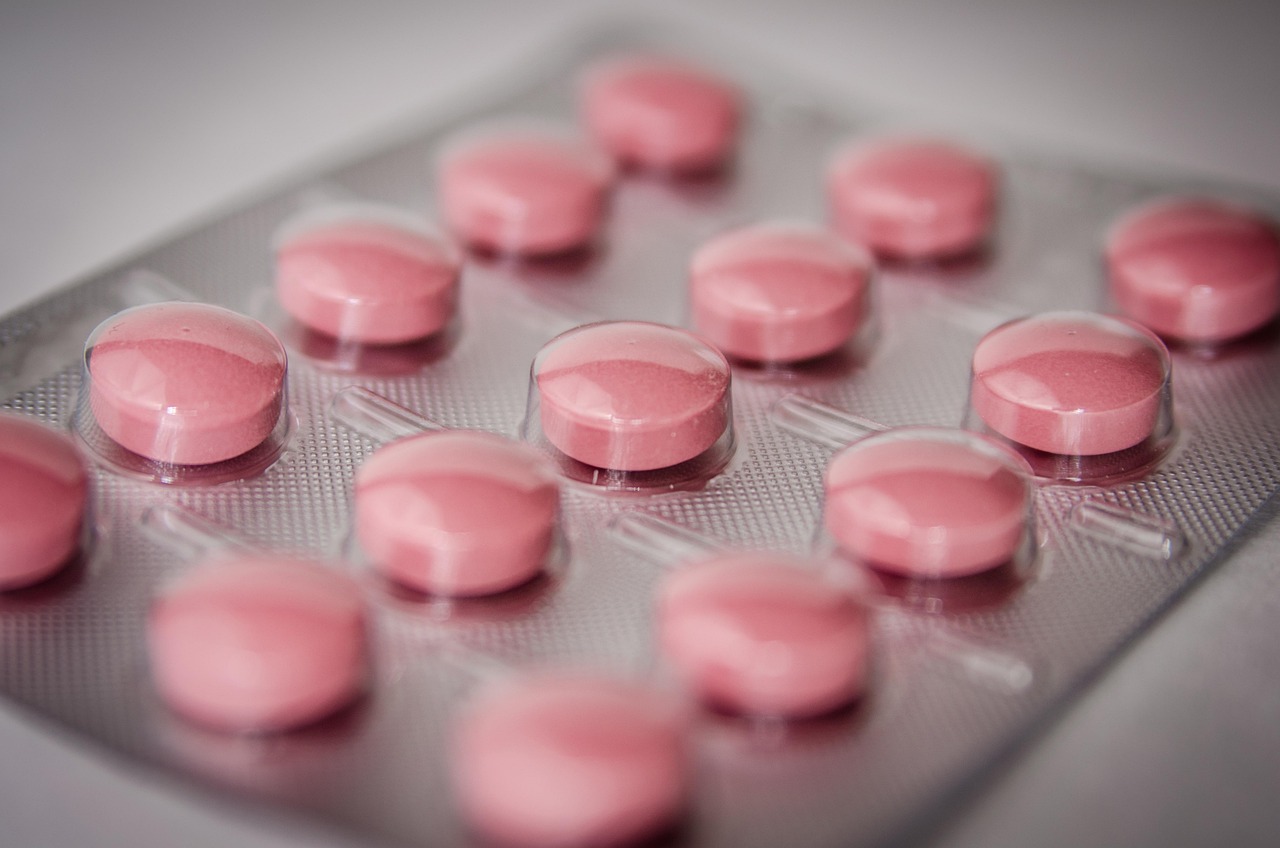
- Alter hormone levels: Avoid medications like birth control pills, hormonal replacement therapy, or steroidal anti-inflammatory drugs (such as prednisone). These can suppress thyroid function and skew test results.
- Impact thyroid peroxidase (TPO) antibodies: If you have an autoimmune thyroid disorder, certain medications might affect TPO antibody levels, making it harder to diagnose the condition accurately.
2. Iodine Exposure
Iodine plays a vital role in thyroid hormone production. While moderate iodine intake is essential, excessive exposure can interfere with thyroid tests:
- Avoid iodinated contrast media: This is used in some medical imaging procedures and can elevate TSH levels for up to two weeks after the test. Inform your doctor if you’ve had an MRI or CT scan recently.
- Limit seafood consumption: Seafood rich in iodine, like shellfish and fish, should be avoided a few days before the test.
3. Stress and Intense Exercise
Thyroid function is closely linked to stress levels. Both acute and chronic stress can impact TSH levels, making it crucial to manage stress before a thyroid test:
- Reduce stress: Engage in relaxation techniques like deep breathing, meditation, or yoga to lower your stress hormone (cortisol) levels, which can interfere with the test.
- Avoid intense exercise: Strenuous physical activity just before the test might elevate cortisol and epinephrine levels, affecting TSH readings. Your doctor may advise you to schedule the test after a period of reduced physical exertion.
4. Poor Sleep
Sleep plays a significant role in maintaining normal thyroid function. Insufficient or disrupted sleep can impact hormone production, so it’s essential to prioritize rest before your test:
- Maintain a consistent sleep schedule: Go to bed and wake up at the same time each day to ensure optimal sleep quality.
- Create a relaxing bedtime routine: Avoid screens, stimulating conversations, or intense activities close to bedtime. Instead, opt for calming activities like reading or listening to soothing music.
5. Dietary Changes (Only Under Certain Circumstances)
While overall dietary habits are essential for thyroid health, some specific adjustments might be recommended:
- Consult a dietitian: If you have specific dietary needs or are on a restrictive diet, discuss it with your doctor. They may suggest changes to ensure accurate test results.
- Avoid extreme diets: Rapid weight loss or severe calorie restriction can affect hormone production and TSH levels. Ensure any dietary adjustments are reasonable and sustainable.
When to Avoid Testing (If Advised by Your Doctor)
In some cases, your doctor might advise against scheduling a thyroid test under specific conditions:
- Acute illness: If you have a severe or acute illness, such as flu or pneumonia, testing may not be accurate until you recover.
- Recent surgery or significant trauma: Major medical events can temporarily disrupt hormone production and test results, so your doctor might recommend rescheduling.
Frequently Asked Questions (FAQs)
1. Can I take my vitamins before a thyroid test?
Yes, taking your vitamins as prescribed is generally safe. However, inform your doctor about any supplements you’re taking, as some can interfere with test results.
2. What if I’ve had recent radiation exposure? Can I still have the test done?
If you’ve undergone recent radiation therapy, discuss it with your doctor. They may recommend delaying the test to ensure accurate results or consider alternative testing methods.
3. How long before a thyroid test should I avoid caffeine?
Caffeine intake is generally not a concern for thyroid tests. However, avoid excessive caffeine consumption close to the time of testing to ensure optimal relaxation and stress levels.
4. Will my diet significantly impact the test results?
Moderate dietary adjustments are usually acceptable. Your doctor may provide specific guidance tailored to your situation. Extreme diets or significant changes should be discussed with a healthcare professional before testing.
5. Can I get a second opinion if I’m concerned about the recommendations?
Absolutely! It’s always valid to seek clarification or a second opinion, especially regarding dietary and medication adjustments. Consult with another healthcare provider for peace of mind.
Conclusion
A thyroid test is a valuable tool in diagnosing thyroid disorders, but preparing properly is essential for accurate results. By avoiding specific medications, managing stress, maintaining sleep, and following your doctor’s advice, you can ensure that your thyroid test provides meaningful insights into your thyroid health. Remember, open communication with your healthcare provider ensures the best possible care and accurate testing.