TL;DR
Planning to get a thyroid test? To ensure accurate results, avoid certain foods and drinks before your appointment. This article explores the do’s and don’ts of pre-test nutrition, focusing on what to steer clear of to prepare your body optimally for a reliable thyroid assessment.
Understanding Thyroid Function Tests
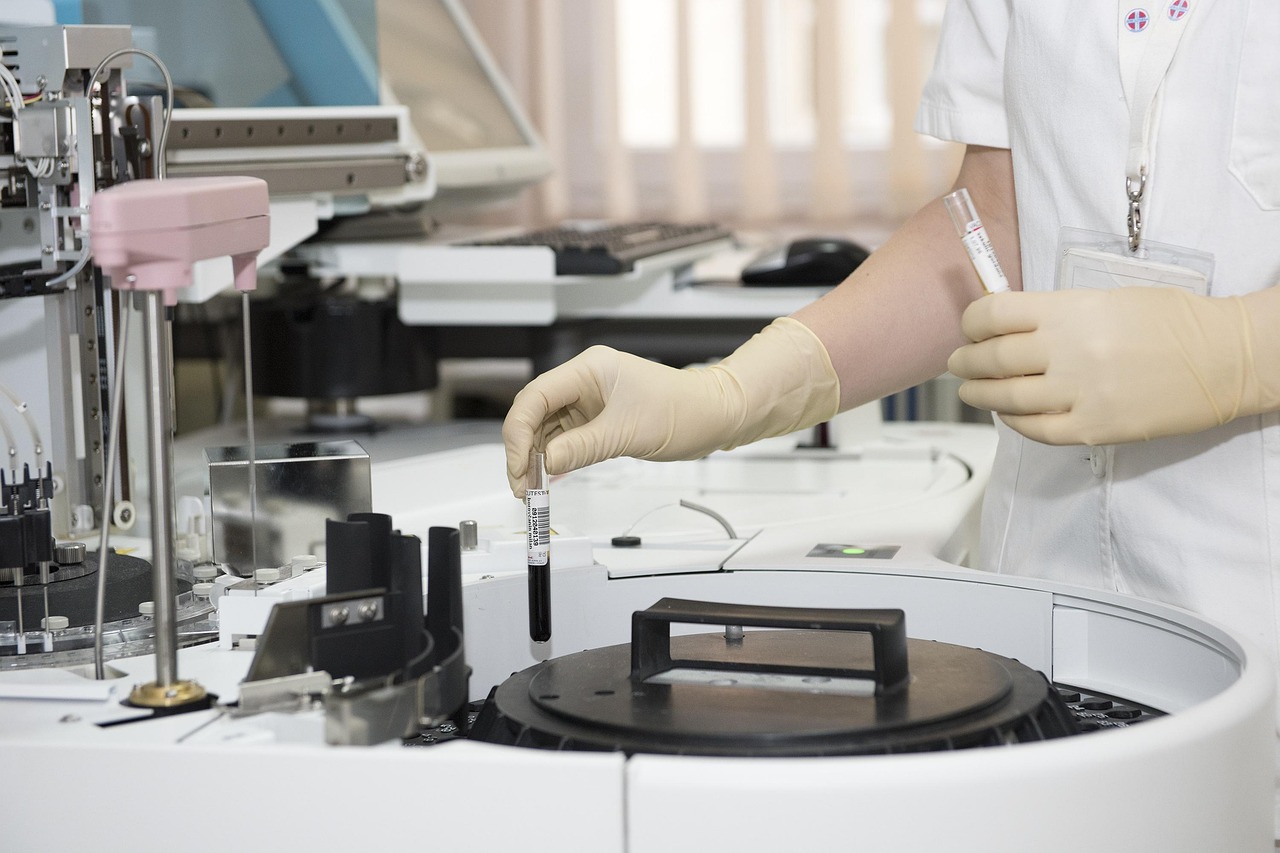
Before delving into dietary considerations, let’s briefly understand what a thyroid test entails. A thyroid function test, often referred to as a thyroid panel or thyroid hormone test, evaluates the levels of thyroid hormones (T3, T4, and TSH) in your blood. This test is crucial for diagnosing thyroid disorders like hypothyroidism, hyperthyroidism, or thyroiditis.
Foods and Drinks to Steer Clear Of Before Your Thyroid Test
Proper preparation can significantly impact the accuracy of your thyroid test results. Certain foods and drinks can interfere with hormone levels, potentially skewing the test outcomes. Here’s what you should avoid leading up to your appointment:
1. High-Iodine Foods (24-48 Hours Before)
Iodine is essential for thyroid hormone production. While a certain amount of iodine is needed, excess intake can interfere with test results. Avoid foods rich in iodine like:
- Seafood (especially shellfish and seaweed)
- Iodized salt
- Dairy products
- Some breads and cereals fortified with iodine
Tip: Start by reducing these foods two days before your test for optimal results.
2. Goitrogens (2-3 Days Before)
Goitrogens are compounds that can inhibit thyroid hormone production. Found in several vegetables, large amounts can interfere with thyroid tests. Limit or avoid:
- Broccoli
- Brussels sprouts
- Cabbage
- Cauliflower
- Kale
- Collard greens
3. Caffeine (Day of the Test)
Caffeine stimulates your metabolism and can temporarily affect thyroid hormone levels. Avoid caffeine-containing beverages like coffee, tea, energy drinks, and sodas on the day of your test to ensure precise results.
4. High-Fat Meals (Immediately Before the Test)
Fatty meals can cause hormonal fluctuations that may impact test readings. It’s best to avoid large or fatty meals within an hour or two before your thyroid test. Opt for a light, balanced snack instead.
5. Alcohol (24 Hours Before)
Alcohol can disrupt hormone balance and impair liver function, potentially affecting thyroid test results. Avoid alcohol consumption 24 hours prior to your appointment.
What to Eat and Drink Instead?
While preparing for your thyroid test, focus on a balanced diet rich in:
- Complex carbohydrates: Whole grains like brown rice, quinoa, and whole wheat bread provide sustained energy without spiking blood sugar levels.
- Lean protein: Chicken, turkey, fish, tofu, and legumes offer essential amino acids to support hormone production.
- Healthy fats: Avocados, nuts, seeds, olive oil, and fatty fish (like salmon) provide omega-3 fatty acids important for thyroid function.
- Fruits and vegetables: These provide vitamins and minerals necessary for overall health and hormonal balance.
- Plenty of water: Staying hydrated is crucial for optimal bodily functions, including thyroid activity.
Tips for Optimal Test Preparation
In addition to dietary choices, here are some other tips to ensure accurate thyroid test results:
- Arrive on time: Stress can negatively impact hormone levels, so aim to arrive early and avoid rushing.
- Avoid physical or emotional stress: Try to relax before the test.
- Check with your doctor: Discuss any medications you’re taking as they might affect test outcomes.
Frequently Asked Questions (FAQs)
- Can I eat fruits before my thyroid test?
Yes, fruits are generally fine to consume before a thyroid test. Opt for fresh fruits and avoid fruit juices which can contain added sugars.
- What should I do if I accidentally eat something high in iodine the day before the test?
If you’ve consumed a food high in iodine within 24 hours of your test, simply wait it out. There’s no need to reschedule unless you have other symptoms of thyroid issues.
- Can smoking affect my thyroid test results?
Smoking can impact hormone levels and potentially interfere with test accuracy. It’s best to avoid smoking for at least 24 hours before your appointment.
- Are there any supplements I should stop taking before the test?
Some supplements, especially those containing iodine or other thyroid-related compounds, might affect test results. Check with your doctor about which supplements to temporarily discontinue before the test.
- What happens if I don’t follow these dietary recommendations?
Adhering to these guidelines will help ensure that your thyroid test provides accurate and reliable information about your thyroid health. If you don’t follow these recommendations, your results might be false positives or false negatives, leading to misdiagnosis or delayed treatment.
Conclusion
A simple change in diet can significantly impact the accuracy of a thyroid test. By avoiding foods and drinks that can interfere with hormone levels for 24-48 hours before the test, you’ll ensure your results reflect your true thyroid health. Remember to consult with your healthcare provider for personalized guidance tailored to your specific needs.