TL;DR
A thyroid test is crucial for diagnosing thyroid disorders, but optimal results require specific preparations. This article explores why your doctor might advise you to avoid certain activities and substances before a thyroid test, ensuring accurate interpretations of the results.
Why Preparation Matters for Your Thyroid Test
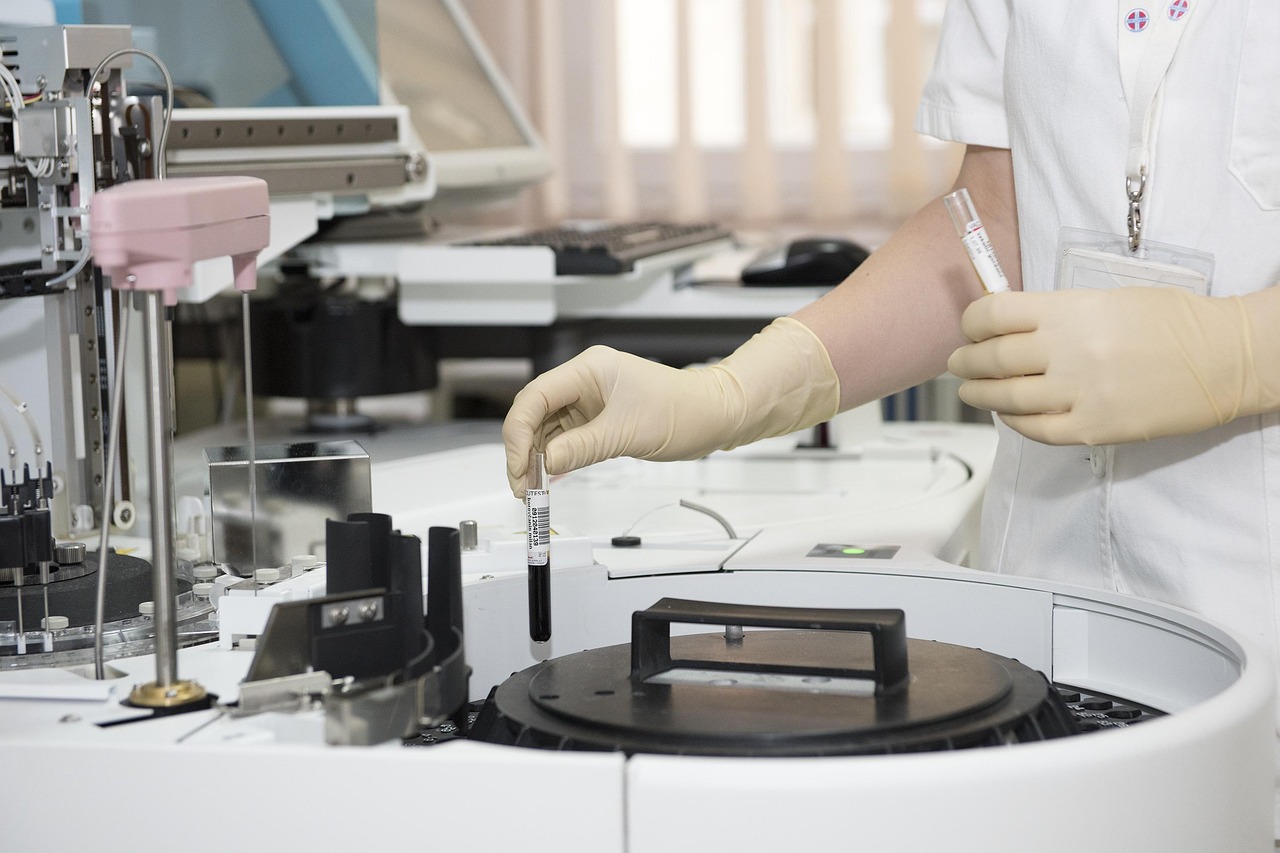
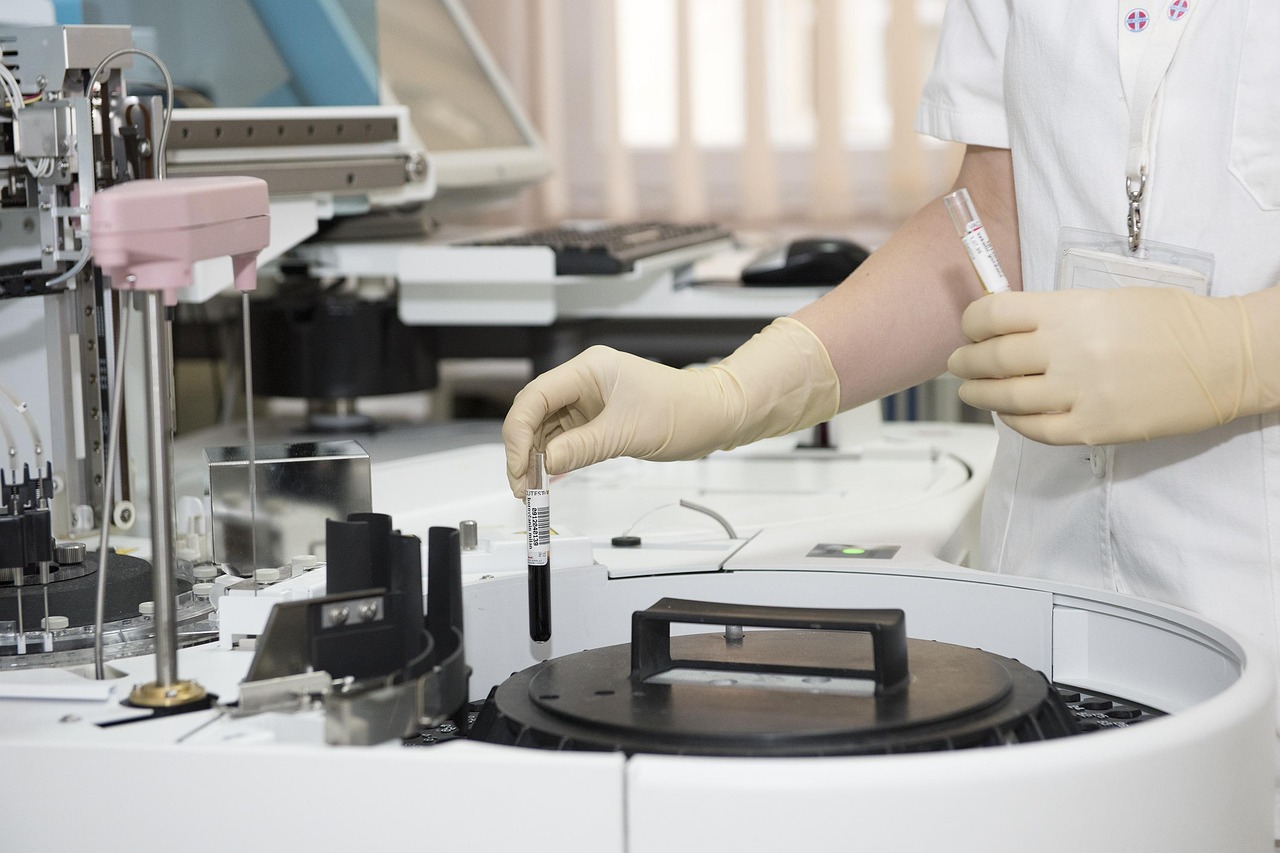
A thyroid test (also known as a thyroid function test) is a vital tool for evaluating your thyroid’s health. It measures the levels of thyroid hormones in your blood, helping doctors diagnose conditions like hypothyroidism or hyperthyroidism. However, to ensure accurate results, it’s essential to follow your doctor’s advice regarding pre-test preparations. This article delves into why certain activities and substances should be avoided before undergoing this critical assessment.
Understanding the Importance of Pre-Test Fasting
Why Your Doctor May Ask You to Fast
One of the most common preparations for a thyroid test involves fasting. Typically, your doctor will recommend not eating or drinking anything except water for 8–12 hours before the test. This period of fasting is crucial for obtaining reliable results because:
- Reducing Interference: Food and beverages can contain compounds that interfere with hormone levels in your blood. Fasting minimizes these potential distractions, allowing for a clearer picture of your thyroid’s function.
- Consistency: A standard fasting period ensures consistency among patients, making it easier to compare test results.
What to Expect During the Fasting Period
Fasting can be challenging, but it doesn’t have to be uncomfortable:
- Stay Hydrated: While you shouldn’t consume solid food or drinks other than water, staying hydrated is essential. Drinking enough water will help your body maintain its natural functions during fasting.
- Plan Ahead: If you know you’ll face a long fast, prepare by eating smaller meals leading up to the restriction period. This strategy can make the fast feel more manageable.
- Break the Fast Correctly: After the test, it’s best to break your fast slowly. Start with clear liquids and a light, nutritious meal. Avoid fatty or sugary foods initially as these can interfere with digestion.
Medications and Supplements: What to Discontinue (or Adjust) Before Testing
Certain medications and supplements can impact thyroid hormone levels, leading to inaccurate test results. Your doctor may advise you to:
Stop Taking Certain Drugs
- Thyroid Medications: If you’re already on thyroid medication, your doctor will likely ask you to temporarily stop taking it before the test. This step is necessary because these medications can artificially alter hormone levels.
- Other Hormone Therapies: Any medication affecting hormonal balance, including birth control pills or hormone replacement therapy, may require adjustment or discontinuation before testing.
Be Mindful of Supplements
Some dietary supplements, particularly those containing iodine, selenium, or vitamin D, can influence thyroid function. Discuss with your doctor:
- Iodine Supplements: Iodine is essential for thyroid hormone production, but high doses from supplements can interfere with test results.
- Other Supplements: Herbal supplements and vitamins, especially those targeting the thyroid, should be considered for temporary discontinuation before testing.
Avoid These Activities Before Your Test
Certain activities and lifestyle choices can also impact your thyroid test outcomes:
Strenuous Exercise
Intense physical activity or exercise immediately before a test might raise your hormone levels temporarily, affecting the accuracy of results. Aim to schedule your test when you’ve had adequate rest from strenuous workouts.
Stress Management
Stress hormones naturally rise in response to challenging situations, which can impact thyroid function tests. Try to avoid stressful events or activities close to your scheduled test time. Relaxation techniques and adequate sleep the night before can be beneficial.
Avoid Smoking and Alcohol
Both smoking and excessive alcohol consumption can interfere with hormone levels and potentially affect test accuracy. Refrain from these habits for at least a day or two leading up to your thyroid test.
What If I Have Concerns About My Preparation?
Open communication with your doctor is essential. If you have any questions or concerns regarding the preparations, reach out to them. They can provide personalized guidance based on your specific health profile and needs.
Conclusion: Achieving Accurate Thyroid Test Results
A thyroid test is a valuable tool in assessing your thyroid’s health, but accurate interpretation depends on proper preparation. Following your doctor’s advice regarding fasting, medications, supplements, and lifestyle choices before the test is crucial for obtaining reliable results. Understanding these requirements ensures that you contribute to an accurate diagnosis and effective treatment plan for any potential thyroid-related conditions.
Remember, your doctor’s guidance is tailored to your unique health situation, so always seek clarification if needed. With the right preparations, a simple blood test can lead to significant insights into your thyroid’s well-being.