TL;DR
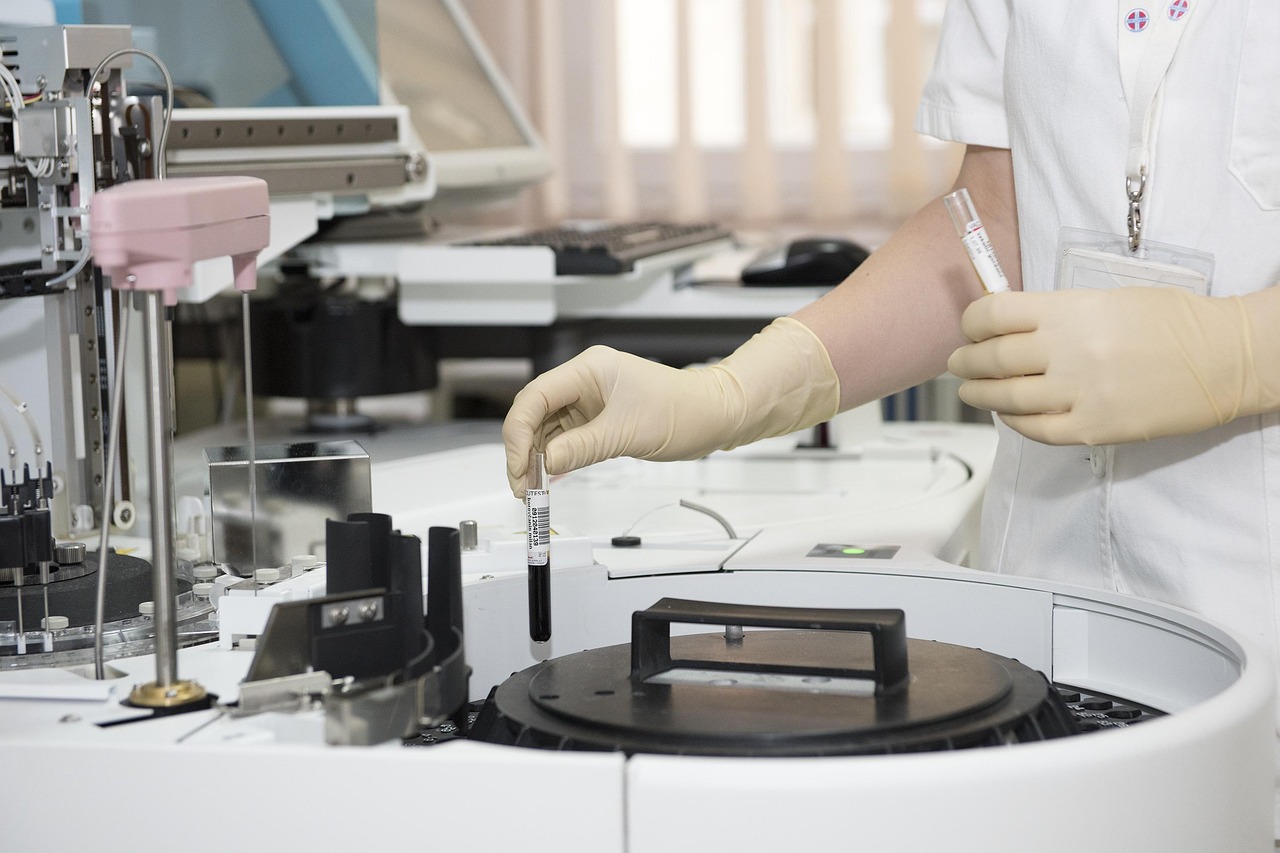
A thyroid test is crucial for diagnosing thyroid disorders, but preparation is key to ensuring accurate results. This article delves into why your doctor might advise you to avoid certain substances and activities before a thyroid test. Understanding these guidelines will help ensure your test provides reliable insights into your thyroid health. We’ll explore the importance of diet, medication, supplements, stress management, and more in achieving optimal preparation for your thyroid test.
Why Your Doctor Wants You to Avoid These Things Before a Thyroid Test
A thyroid test, such as a thyroid-stimulating hormone (TSH) test or thyroxine (T4) and triiodothyronine (T3) measurements, is designed to evaluate the function of your thyroid gland. However, certain factors can interfere with test accuracy. Your doctor may recommend specific preparations to ensure that your results reflect your true thyroid state.
Understanding Common Interfering Factors
Before diving into what you should avoid, let’s first understand how everyday substances and habits might impact your thyroid test results:
-
Diet: Certain foods contain compounds that can interfere with thyroid function tests. For instance, goitrogenic foods like raw cabbage, broccoli, and soy products can suppress thyroid peroxidase (TPO), an enzyme measured in some thyroid tests.
-
Medications: Some drugs, including antacids, anti-inflammatory medications, and beta-blockers, can alter hormone levels and affect test outcomes.
-
Supplements: Iodine supplements, which are sometimes taken to support thyroid health, can interfere with TSH tests. Similarly, vitamin D and iron supplements might impact test results if taken excessively.
-
Stress and Sleep: High stress levels and inadequate sleep can disrupt hormonal balance, affecting both thyroid function and the body’s ability to produce consistent test results.
What to Avoid Before Your Thyroid Test
Now that you understand common interfering factors, let’s explore what your doctor might specifically advise you to avoid before your thyroid test:
1. Certain Foods and Supplements (24-48 Hours Before the Test)
As mentioned earlier, goitrogenic foods can impact thyroid function tests. To ensure accurate results, consider avoiding these foods for at least 24-48 hours prior to your test:
- Raw or lightly cooked cabbage, broccoli, Brussels sprouts, kale, and cauliflower.
- Soy products such as tofu, tempeh, edamame, and soy milk.
Additionally, consult with your doctor about discontinuing any iodine supplements, multivitamins containing high levels of vitamins D or E, or other dietary supplements that could interfere.
2. Medications (7-14 Days Before the Test)
Some medications can affect thyroid test results. Inform your doctor about all the drugs you’re taking, especially if they include:
- Antacids containing calcium or magnesium.
- Nonsteroidal anti-inflammatory drugs (NSAIDs) like ibuprofen or naproxen.
- Beta-blockers used to treat high blood pressure or anxiety.
- Thyroid medications (if you have a known thyroid condition).
Your doctor may advise you to stop taking these medications 7-14 days before the test, depending on the medication and your individual health profile.
3. Stress Management (Week Leading Up to the Test)
Chronic stress can disrupt hormone production and impact your overall health. In the week leading up to your thyroid test, focus on managing stress through:
-
Mindfulness and Meditation: These practices can help reduce stress levels and promote relaxation.
-
Regular Exercise: Engaging in moderate exercise most days of the week can lower stress hormones and improve overall well-being.
-
Adequate Sleep: Aim for 7-9 hours of quality sleep each night to support hormonal balance.
4. Avoiding Certain Activities (Day of the Test)
On the day of your thyroid test, avoid activities that might elevate your stress levels or interfere with sample collection:
-
Intense Exercise: Avoid strenuous exercise a few hours before your test as it may impact your hormone levels temporarily.
-
Prolonged Sun Exposure: Limit direct sunlight exposure right before the test, as vitamin D from the sun could affect TSH levels.
-
Smoking and Alcohol Consumption: Both smoking and excessive alcohol intake can interfere with thyroid function, so avoid them on the day of your test.
5. Following Your Doctor’s Instructions (Always)
Your doctor will provide specific instructions tailored to your health history and needs. It’s crucial to follow these guidelines closely. They might include additional recommendations based on your individual circumstances. Always clarify any doubts with your healthcare provider before the test.
Conclusion: Achieving Accurate Thyroid Test Results
Preparing for a thyroid test involves more than just understanding what to avoid. It requires a holistic approach that considers your diet, medications, supplements, and overall well-being. By adhering to your doctor’s advice, you’ll ensure that your thyroid test results accurately reflect your thyroid health status. This will help facilitate appropriate treatment if needed, leading to better management of any underlying thyroid imbalances.