TL;DR
A thyroid test is crucial for diagnosing thyroid disorders, but proper preparation is essential. This article delves into why your doctor might advise you to avoid certain activities and substances before a thyroid test, ensuring accurate results. We’ll explore dietary considerations, medications, supplements, and lifestyle factors that can impact test outcomes.
Why Avoid Certain Things Before a Thyroid Test?
A thyroid test is a vital tool for evaluating your thyroid function. However, to ensure the accuracy of the results, it’s crucial to follow your doctor’s recommendations regarding pre-test preparations. This article will guide you through the do’s and don’ts, shedding light on why certain actions can affect your thyroid test outcomes.
Understanding Thyroid Function and Tests
What is a Thyroid Test?
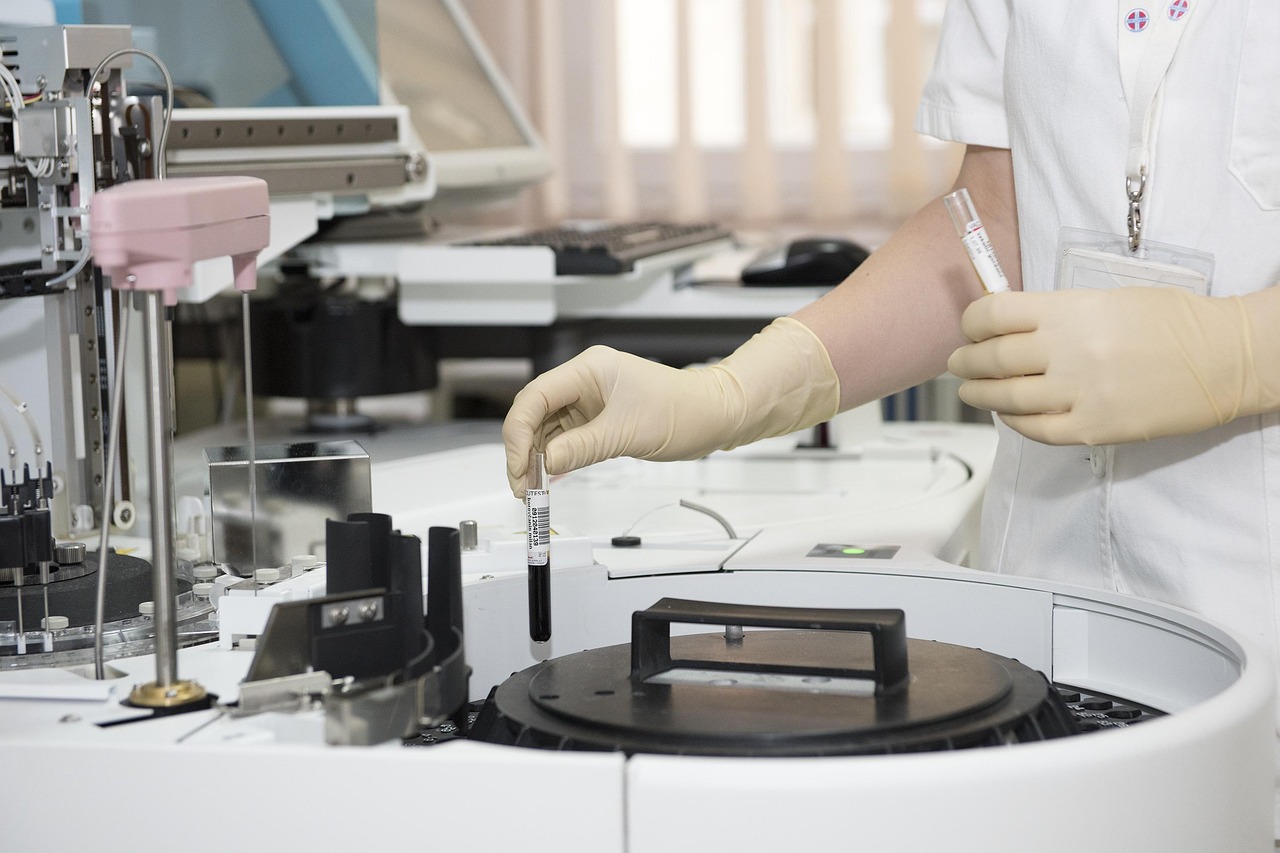
A thyroid test, or thyroid function test, assesses how well your thyroid gland is producing hormones. These hormones regulate metabolism, influencing various bodily functions. Common thyroid tests measure levels of thyroxine (T4), triiodothyronine (T3), and thyroid-stimulating hormone (TSH).
Thyroid Hormones: T4, T3, and TSH
- T4 (Thyroxine): The primary hormone produced by the thyroid, which in turn influences how fast your body uses energy.
- T3 (Triiodothyronine): A more active form of thyroid hormone that affects heart rate, body temperature, and metabolism.
- TSH (Thyroid-Stimulating Hormone): Produced by the pituitary gland, TSH regulates the thyroid’s production of T4 and T3.
What Your Doctor Might Advise Before a Thyroid Test
To ensure reliable test results, your doctor may suggest avoiding certain substances and activities for a specific period before the test. Here’s what you need to know:
1. Medications and Supplements
- Stop or Adjust Medications: Some medications can interfere with thyroid test results. Inform your doctor about all the medicines and supplements you take, especially those containing iodine, levothyroxine (a synthetic thyroid hormone), or medications used for radioactive iodine therapy. They may advise you to stop or adjust your dosage temporarily.
- Herbal Supplements: Certain herbal supplements, such as those containing ginkgo biloba, garlic, or fish oil, can impact thyroid function and test outcomes. Discuss with your doctor whether it’s safe to continue these supplements before the test.
2. Dietary Considerations
- Iodine Intake: Iodine is essential for thyroid hormone production. While moderate iodine intake is beneficial, excessive amounts can affect test results. Avoid consuming large quantities of iodine-rich foods, such as seaweed or kelp supplements, for a few days before the test.
- Low-Iodine Diet (if advised): In some cases, your doctor might recommend a low-iodine diet to suppress thyroid activity and improve test accuracy. This typically involves limiting iodine-rich foods during the testing period.
3. Avoiding Stress and Intense Exercise
- Stress Management: High stress levels can influence hormone production. Practice relaxation techniques like deep breathing, meditation, or yoga before your test to minimize stress.
- Exercise: Regular exercise is generally beneficial, but intense physical activity close to the test date may alter hormone levels temporarily. Aim for moderate workouts a few days prior to the test.
4. Refraining from Smoking and Alcohol Consumption
- Smoking: Nicotine can impact thyroid function and test results. Quitting smoking or avoiding it temporarily before the test is advisable.
- Alcohol: Excessive alcohol intake can interfere with hormone levels, so limit or avoid alcohol consumption a few days leading up to the test.
Common Questions About Pre-Test Preparations
FAQ:
-
How long before the test should I start preparing?
- Your doctor will provide specific instructions, but typically, you’ll be given guidelines for the week or two before the test. Follow their advice closely.
-
Can I still take my multivitamins before the test?
- Yes, multivitamins are generally safe to continue. However, inform your doctor if they contain iodine or other thyroid-related substances.
-
What if I forget to avoid a specific food or medication? Will the test be invalid?
- One slip-up is usually not cause for concern. But consistent adherence to instructions is crucial for accurate results. Inform your doctor if you’re worried about potential interference.
-
Are there any foods that can improve my test results?
- While specific foods won’t directly improve test results, a balanced diet rich in fruits, vegetables, lean proteins, and healthy fats supports thyroid health and overall well-being.
Conclusion: Achieving Accurate Thyroid Test Results
A thyroid test is a valuable tool for maintaining optimal thyroid function. By following your doctor’s pre-test preparations, you contribute to ensuring accurate results. Remember, these guidelines are tailored to your individual needs, so always consult with your healthcare provider for personalized advice. Understanding why certain actions matter can empower you to take an active role in preparing for this essential diagnostic test.