TL;DR
A thyroid test is crucial for diagnosing thyroid disorders, but optimal results depend on what you do (or don’t do) before the exam. This article explores essential pre-test considerations, like dietary adjustments, medication changes, and environmental factors, to ensure accurate thyroid test results.
Why Your Doctor Wants You to Avoid Certain Things Before a Thyroid Test
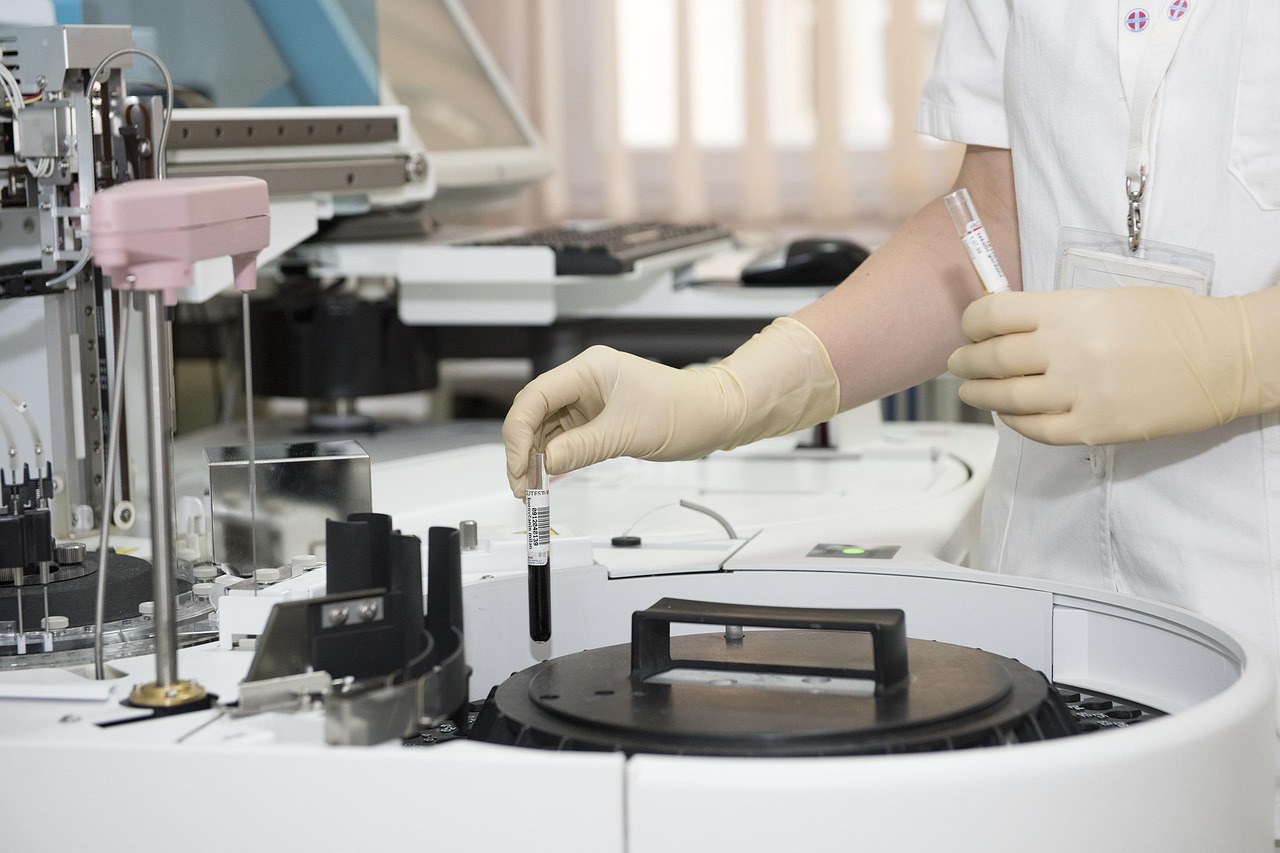
A thyroid test is a simple blood analysis that measures your thyroid hormone levels (T3, T4, and TSH). However, these hormones fluctuate naturally throughout the day and can be influenced by various factors. To ensure accurate results, it’s essential to follow your doctor’s instructions carefully before undergoing a thyroid test. This article delves into key considerations to help you prepare effectively.
1. Avoid Medications That Can Interfere with Thyroid Test Results
Certain medications can alter thyroid hormone levels, leading to inaccurate test outcomes. Inform your doctor about any drugs you’re taking, including:
-
Thyroid medications: If you already have a diagnosed thyroid condition, don’t stop taking your medication before the test. Your doctor may adjust the dosage for testing purposes or request specific tests to account for medication interference.
-
Antibiotics: Some antibiotics can temporarily affect thyroid function. Discuss any recent antibiotic courses with your doctor.
-
Steroid medications: Steroids, including those used for inflammation or autoimmune disorders, can suppress thyroid activity. Be transparent about your steroid use.
-
Hormonal birth control: Estrogen and progesterone in birth control pills can influence thyroid hormone production. Your doctor might suggest temporary discontinuation (under their supervision) to get a clearer picture of your natural thyroid function.
2. Refrain from Dietary Changes Leading Up to the Test
Your diet plays a significant role in thyroid health, but avoid making drastic changes before a thyroid test:
-
Don’t go on an extreme diet: Rapid weight loss or gain can impact thyroid hormone levels. Stick to your regular diet and consult your doctor for guidance if you have concerns about your weight.
-
Avoid dietary supplements: While some supplements support thyroid health, avoid taking new supplements or altering dosages before the test. Discuss any supplements with your doctor, who can advise on the best course of action.
-
Maintain normal eating patterns: Aim to eat balanced meals containing protein, healthy fats, and complex carbohydrates. Avoid fasting or significantly restricting calories, as these practices can affect thyroid function.
3. Steer Clear of Stress and Intense Exercise
Thyroid hormones are linked to stress response and metabolism:
-
Manage stress: High stress levels can temporarily raise cortisol and suppress thyroid function. Practice relaxation techniques like deep breathing, meditation, or yoga in the days leading up to your test.
-
Limit intense exercise: Strenuous physical activity can also trigger a stress response. While regular exercise is beneficial for overall health, avoid overly intense workouts close to your test date. Opt for moderate activities instead.
4. Protect Yourself from Environmental Factors That Can Affect Thyroid Function
Environmental toxins can interfere with thyroid hormone regulation:
-
Avoid exposure to radiation: Limit your exposure to X-rays and other sources of radiation. Inform your doctor if you’ve had recent imaging studies or nuclear medicine tests.
-
Be cautious with pesticides and chemicals: Some pesticides and industrial chemicals are known to impact thyroid function. Minimize exposure, especially in the week before your test.
-
Consider stress reduction techniques: As mentioned earlier, stress can be a factor. Techniques like yoga, meditation, or spending time in nature can help manage stress levels.
5. Understand When to Skip Certain Tests (With Your Doctor’s Guidance)
In some cases, certain tests might need to be postponed or adjusted:
-
If you’re pregnant: Thyroid function is crucial during pregnancy. Your doctor will monitor your thyroid levels carefully and may perform different types of tests tailored for pregnant individuals.
-
For ongoing medical conditions: If you have a history of thyroid surgery, radiation therapy, or certain autoimmune disorders, your doctor might suggest specific test modifications or timing adjustments based on your unique situation.
Conclusion
Preparing for a thyroid test involves understanding which factors can influence its accuracy. By avoiding medications that alter thyroid function, maintaining stable dietary patterns, managing stress, and limiting exposure to environmental toxins, you can ensure the best possible results. Always follow your doctor’s instructions carefully and ask questions if anything is unclear. Remember, an accurate diagnosis depends on accurate test results.