Skip to content

164news.com

  • Contact Us
  • Toggle search form
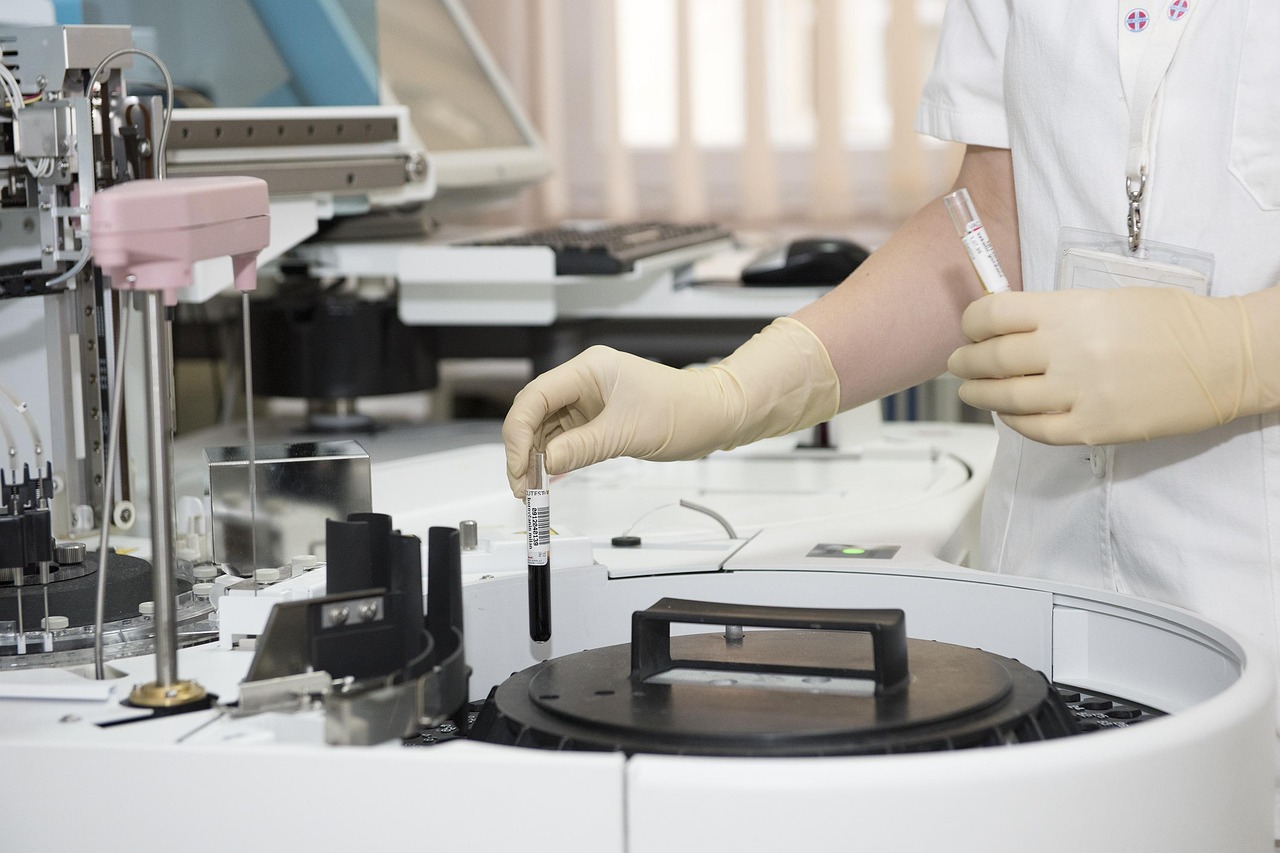
the-complete-pre-thyroid-test-checklist-640x480-u334dd

The Complete Pre-Thyroid Test Checklist: Maximizing Accuracy Through Preparation

Posted on May 11, 2026 By Thyroid Test No Comments on The Complete Pre-Thyroid Test Checklist: Maximizing Accuracy Through Preparation

TL;DR: Prepare for a thyroid test accurately with this comprehensive checklist. Learn what to avoid before testing, from certain foods and supplements to stress management tips, ensuring your results reflect your true thyroid health.

Thyroid Test: Unlocking Insights into Your Endocrine System

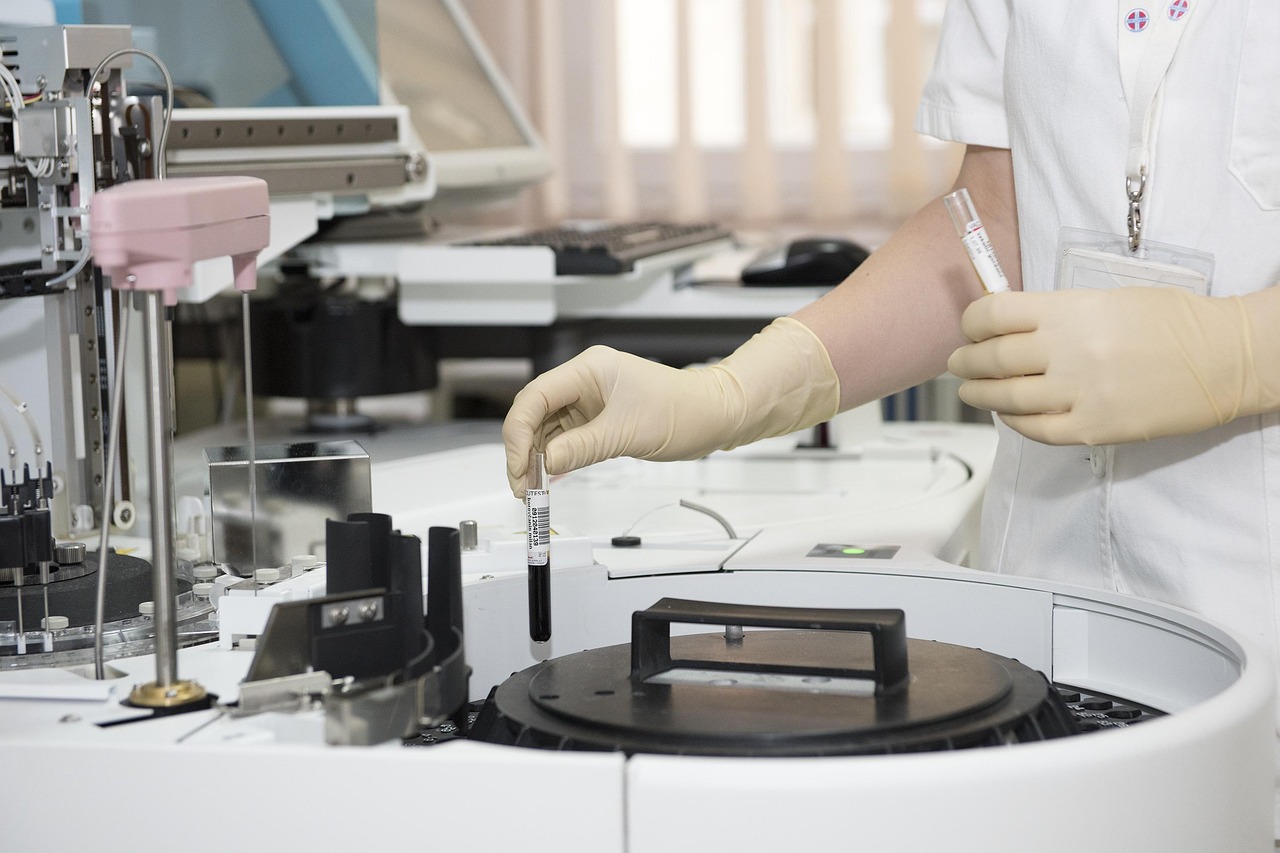
A thyroid test is a crucial tool in evaluating your overall health, particularly your metabolism and endocrine system. These tests measure the levels of thyroid hormones (T3, T4, and TSH) circulating in your blood, providing vital information about your thyroid’s function. Accurate results are essential for diagnosing thyroid conditions like hypothyroidism or hyperthyroidism and guiding effective treatment.

This guide focuses on maximizing the accuracy of your thyroid test by walking you through a detailed checklist to follow before your appointment. By understanding what to avoid and how to prepare, you’ll ensure that your results offer a clear picture of your thyroid health.

Understanding Thyroid Function: The Basics

Before diving into the checklist, let’s briefly explore the role of the thyroid gland and its hormones.

The thyroid gland, located at the base of your neck, is a butterfly-shaped organ that produces three key hormones:

  • Thyroxine (T4): This hormone regulates your resting metabolic rate—how efficiently your body uses energy.
  • Triiodothyronine (T3): Even more potent than T4, T3 further controls metabolism and plays a significant role in heart rate, blood pressure, and body temperature.
  • Thyroid-Stimulating Hormone (TSH): Secreted by the pituitary gland in the brain, TSH acts as a signal to the thyroid gland, instructing it to produce and release T3 and T4.

Imbalances in these hormones can lead to various health issues:

  • Hypothyroidism: An underactive thyroid results in low hormone levels, slowing metabolism and causing fatigue, weight gain, and dry skin.
  • Hyperthyroidism: An overactive thyroid produces excess hormones, leading to increased heart rate, weight loss, sweating, and anxiety.

The Pre-Thyroid Test Checklist: What to Skip for Accurate Results

To ensure your thyroid test is as accurate as possible, follow this checklist meticulously in the days leading up to your appointment.

1. Avoid Thyroid-Interfering Substances

Certain foods, medications, and supplements can interfere with thyroid hormone levels. Stop using any of these at least 48 hours before your test:

  • Iodine: Found in seaweed (like kelp, dashi, or iodized salt), some cough syrups, and certain food additives. Iodine is essential for thyroid hormone production, but excessive intake can skew test results.
  • Medications: Some drugs, including antibiotics, antacids, beta-blockers, and certain heart medications, can affect thyroid function. Tell your doctor about all medications you take to ensure they are compatible with the test.
  • Herbal Supplements: Certain herbs, like ashwagandha, bugleweed, and red clover, have thyroid-influencing properties. Discontinue use before testing.
  • Vitamins and Minerals: Excessive intake of vitamins A, D, and E, as well as iron supplements, can interfere with thyroid function. Keep doses within recommended limits.

2. Steer Clear of Stress and Intense Exercise

Stress hormones, like cortisol, can temporarily suppress thyroid function. Additionally, intense exercise can elevate your metabolism, potentially influencing test results.

  • Minimize Stress: Practice relaxation techniques such as deep breathing, meditation, or yoga in the days leading up to your test.
  • Avoid Intense Workouts: Cease strenuous physical activity at least 48 hours before testing. Light exercise is generally okay.

3. Don’t Skip Meals or Fast

Thyroid hormones are produced in response to dietary intake of iodine and other nutrients. Skipping meals or fasting can impair hormone production and affect test results.

  • Eat Regular, Balanced Meals: Focus on whole foods rich in thyroid-supporting nutrients, such as seafood (salmon, tuna, sardines), non-fat dairy products, eggs, nuts, and seeds.
  • Avoid Extreme Dieting: Avoid crash diets or eliminating entire food groups, which can disrupt your thyroid’s natural rhythm.

4. Limit Caffeine Intake

Caffeine can temporarily stimulate your thyroid, leading to elevated T3 and T4 levels. While this won’t skew the test significantly, it could provide a misleading picture of your actual hormone balance.

  • Cut Back on Caffeine: Limit your caffeine intake to no more than 200 mg per day (approximately one cup of coffee) in the week leading up to the test.

5. Avoid Smoking and Alcohol

Smoking and excessive alcohol consumption can impair thyroid function and impact hormone levels, potentially affecting test accuracy.

  • Quit Smoking: If you smoke, consider quitting for your overall health and to ensure accurate test results.
  • Limit Alcohol Intake: Avoid heavy drinking in the days before testing. Moderate consumption (up to one drink per day for women, up to two drinks per day for men) is generally considered safe.

Additional Tips for Optimal Testing

Beyond the checklist, consider these helpful tips:

  • Get Enough Sleep: Aim for 7-8 hours of quality sleep each night. Sleep plays a crucial role in regulating thyroid function.
  • Manage Your Stress Levels: Chronic stress can disrupt your thyroid’s function over time. Find healthy coping mechanisms that work for you.
  • Stay Hydrated: Drink plenty of water throughout the day to support overall bodily functions, including thyroid health.

Frequently Asked Questions (FAQs)

  1. How long before my appointment should I start preparing for a thyroid test?

    Ideally, begin implementing these changes at least 7-10 days prior to your scheduled test to ensure significant factors have had time to impact your hormone levels.

  2. Can certain foods cure thyroid problems?
    No, specific foods or dietary changes alone cannot "cure" thyroid conditions. However, a thyroid-friendly diet rich in iodine, zinc, selenium, and other essential nutrients can support healthy thyroid function.

  3. Will my doctor adjust the test if I’ve been taking medication that might interfere?

    Yes, your doctor will take into account any medications you’re taking. They may suggest temporarily discontinuing certain drugs (under their supervision) or adjusting the timing of your dose to ensure accurate results.

  4. Are there at-home thyroid tests available? Are they reliable?

    While at-home thyroid tests are available, they are generally not as accurate as laboratory-based tests performed by a healthcare professional. They may provide a general indication but should not replace a full clinical evaluation.

  5. How long will it take to get my test results back?

    Typically, thyroid test results are available within 2-3 days of the sample being received in the lab. Your doctor’s office will reach out with your results and schedule a follow-up appointment if necessary.

Conclusion

A correctly interpreted thyroid test is essential for diagnosing and managing thyroid conditions effectively. By carefully considering this pre-test checklist, you’ll ensure that your results provide a clear and accurate picture of your thyroid health. Remember to discuss any concerns or questions with your healthcare provider.

Thyroid Test

Post navigation

Previous Post: Should You Fast Before a Thyroid Test? What You Need to Know
Next Post: Thyroid Test: Understanding How Medications Can Affect Your Results

Leave a Reply Cancel reply

Your email address will not be published. Required fields are marked *

Editor's Picks

  • Long Island Real Estate Dispute Resolution
  • Commercial Plumbing Installation Denver
  • Denver Plumber for Emergency Services
  • Denver Gas Line Replacement
  • Affordable Plumbing Repair Denver
  • Leak Detection Services Denver CO
  • Sewer Backup Cleanup Denver Colorado
  • Expert Drain Snaking Denver
  • Plumbing for New Construction Denver
  • Sustainable Plumbing Solutions Denver

Recent Posts

  • BYD has built China’s first 4nm driving chip, and it’s putting LiDAR on a $10,000 car
  • Anthropic’s Milan office lands with Generali, Pirelli and Enel as named Italian customers
  • The hybrid model: why the smartest finance teams aren’t going all-in on AI
  • Oura’s Ring 5 is 40% smaller than its predecessor, and it arrives three days before a likely IPO filing
  • Waymo’s new Ojai robotaxi is cheaper to build, harder to break, and made in China

Recent Comments

  1. g555gameapk on Repairing a Leaking Denver Basin Augmentor: A Comprehensive Step-by-Step Guide
  2. xbet100 on Repairing a Leaking Denver Basin Augmentor: A Comprehensive Step-by-Step Guide
  3. hh55betcc on Repairing a Leaking Denver Basin Augmentor: A Comprehensive Step-by-Step Guide
  4. 5sbetwin on Expert Advice on Choosing the Right Sewer Backup Repair Company in Denver, Colorado
  5. 5sbet1 on Expert Advice on Choosing the Right Sewer Backup Repair Company in Denver, Colorado

Archives

  • May 2026
  • April 2026
  • March 2026

Editor's Picks

  • Long Island Real Estate Dispute Resolution
  • Commercial Plumbing Installation Denver
  • Denver Plumber for Emergency Services
  • Denver Gas Line Replacement
  • Affordable Plumbing Repair Denver
  • Leak Detection Services Denver CO
  • Sewer Backup Cleanup Denver Colorado
  • Expert Drain Snaking Denver
  • Plumbing for New Construction Denver
  • Sustainable Plumbing Solutions Denver

Copyright © 2026 164news.com.

Powered by PressBook Dark WordPress theme