TL;DR
Before undergoing a thyroid test, understanding what to avoid is crucial for ensuring accurate results. This guide delves into the key factors to consider before testing, highlighting common mistakes that can skew outcomes. From dietary choices to medications, this article equips readers with knowledge to optimize their thyroid health assessment.
Understanding Thyroid Function and Tests
The thyroid gland, located at the base of your neck, plays a vital role in regulating metabolism through the production of thyroid hormones. These hormones influence nearly every system in your body. A thyroid test is used to evaluate the function of this crucial gland, offering insights into potential health issues like hypothyroidism or hyperthyroidism.
What to Avoid Before a Thyroid Test
1. Ineffective Dietary Changes (Avoid Long-Term Fasting)
While short-term dietary adjustments can temporarily impact thyroid levels, drastic changes should be avoided. Fasting for extended periods before a test can lead to suppressed thyroid function due to decreased blood sugar and hormone production. Opt instead for a balanced diet rich in iodine, selenium, zinc, and tyrosine—essential nutrients for thyroid health.
2. Unnecessary Medication Adjustments
Certain medications, including some antidepressants, beta-blockers, and steroids, can affect thyroid function. Do not stop or alter your medication regimen without consulting your doctor. Disruptions in these treatments could provide false test results. Discuss any concerns with your healthcare provider to determine the best course of action for both your health and the accuracy of the test.
3. Stress and Inadequate Sleep (Prioritize Rest)
Chronic stress and inadequate sleep can negatively impact thyroid hormone production. Aim for 7-9 hours of quality sleep each night and practice stress management techniques like meditation, yoga, or deep breathing exercises. Reducing stress levels before testing ensures more reliable results.
4. Excessive Physical Activity (Maintain Balance)
While regular exercise is beneficial, excessive physical activity can interfere with thyroid function. Intense workouts close to the test date might impact hormone levels. Maintain a consistent but balanced exercise routine throughout the preparation period for more accurate outcomes.
5. Iodine Exposure from External Sources (Limit Supplementation)
Iodine is essential for thyroid hormone production, but excessive intake can lead to hyperthyroidism. Avoid taking iodine supplements in the week leading up to your test. Limit your exposure to iodine from external sources to ensure a more accurate reflection of your natural thyroid function.
Pre-Test Preparation Checklist
To ensure optimal results, follow this pre-test preparation checklist:
- Inform Your Doctor: Disclose all medications and supplements you take, as well as any underlying health conditions.
- Maintain Normal Diet: Eat a balanced diet rich in iodine-rich foods like seafood, dairy products, and iodized salt. Avoid extreme dietary changes.
- Get Sufficient Rest: Prioritize quality sleep for at least 7–9 hours each night in the weeks leading up to the test.
- Manage Stress: Incorporate stress reduction techniques into your daily routine.
- Avoid Extreme Exercise: Maintain a moderate exercise regimen, avoiding intense workouts close to the test date.
What Happens During and After the Test?
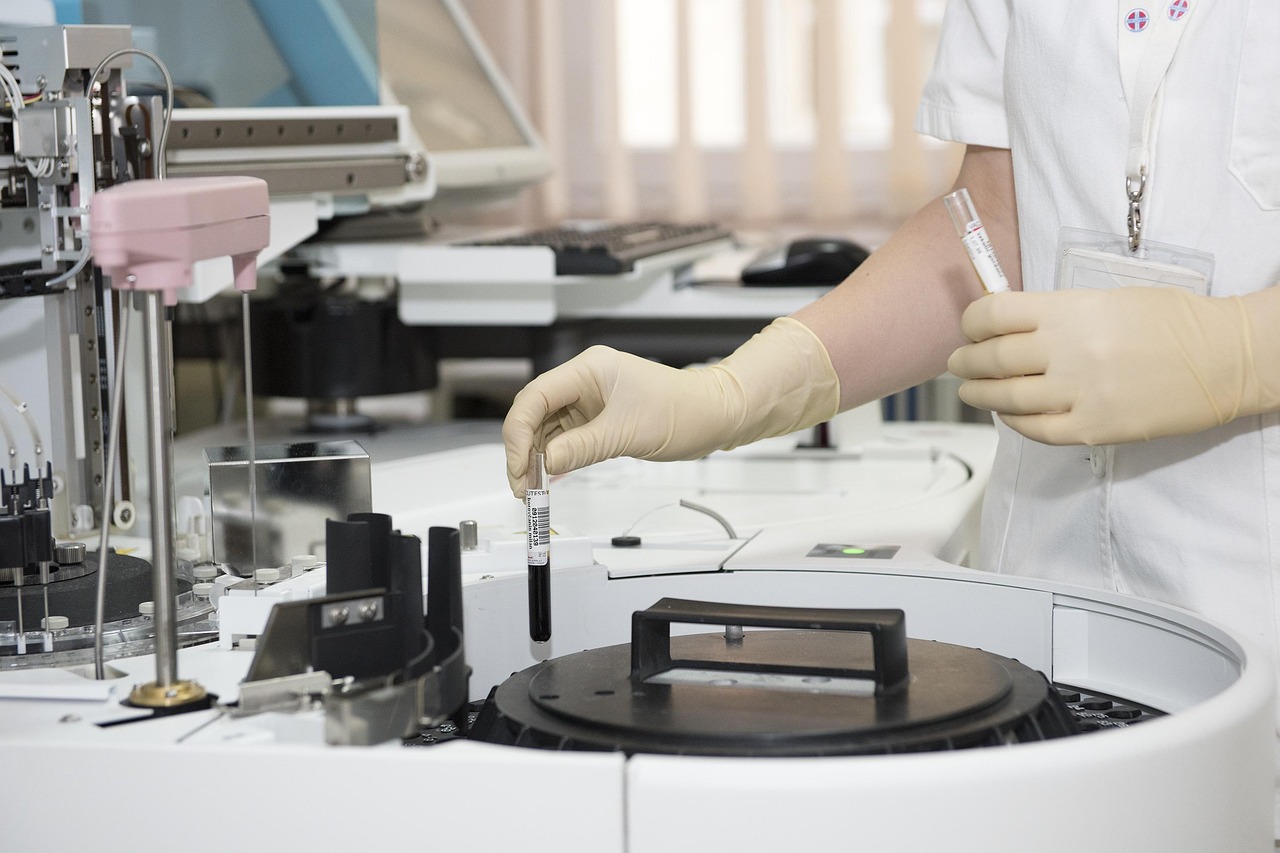
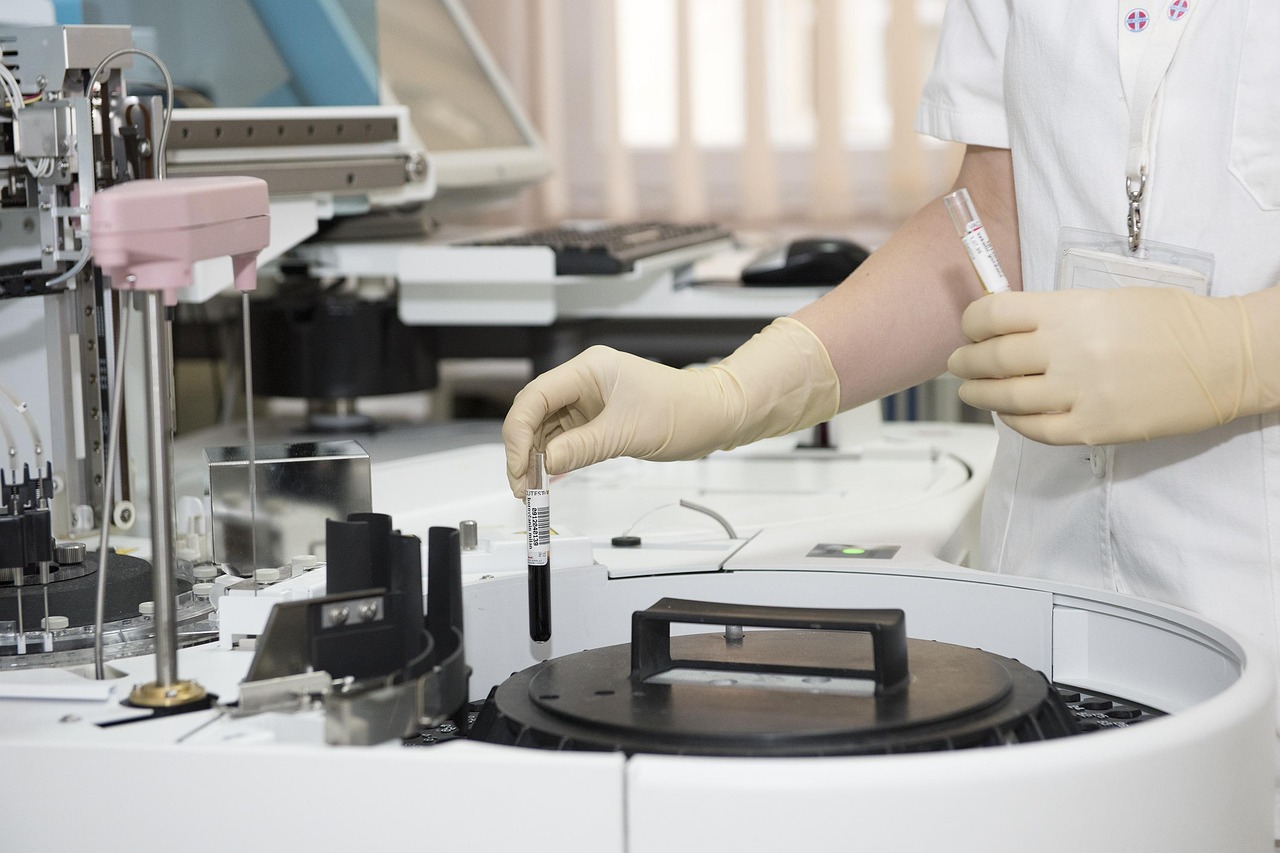
During the thyroid test, a healthcare professional will typically take a blood sample to measure the levels of thyroid hormones (T3, T4), thyroxine-stimulating hormone (TSH), and sometimes antithyroid antibodies. Results are usually available within a few days, and your doctor will interpret them in context with your symptoms and medical history.
Conclusion: Taking Control of Your Thyroid Health
By understanding what to avoid before a thyroid test, you empower yourself to ensure accurate results. Remember, optimal preparation enhances the reliability of the test, leading to more effective treatment options if needed. Regular communication with your healthcare provider is also key—they can offer personalized guidance tailored to your unique situation.
Frequently Asked Questions (FAQs)
-
How often should I get a thyroid test?
It depends on your age and symptoms. Adults may need a baseline test at 30, while those with risk factors or symptoms may require more frequent testing. -
Can stress affect my thyroid test results?
Yes, chronic stress can impact thyroid function. Managing stress levels through relaxation techniques is crucial for accurate test results. -
Are there any foods I should avoid before a thyroid test?
While a balanced diet is essential, excessive iodine intake from supplements or certain foods (like seaweed) should be limited in the week leading up to the test. -
What if I miss a medication dose before the test? Should I take an extra?
Consult your doctor. Missing doses can affect test results, but taking extra medication could also provide false readings. Your healthcare provider will guide you accordingly. -
How long do thyroid test results usually take to come back?
Results typically take 1-3 days, though turnaround time may vary depending on the lab and testing method used.