TL;DR
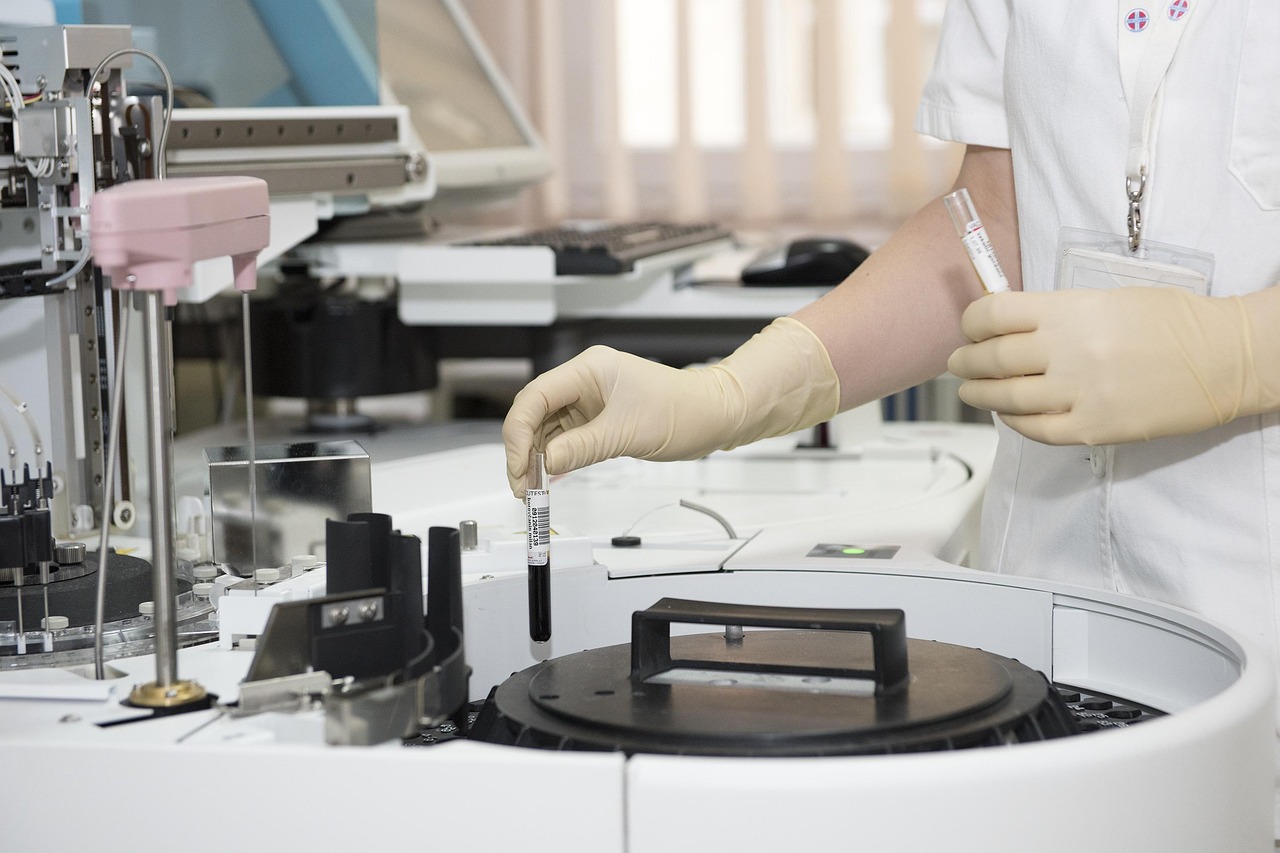
If you’re considering a thyroid test, understanding the fasting requirements is crucial for accurate results. This article delves into why and how fasting before a thyroid test can impact the readings, offering practical guidance to ensure your test provides reliable insights into your thyroid health.
Introduction: Understanding Thyroid Function and Testing
The thyroid gland, located at the base of the neck, plays a pivotal role in regulating metabolism. A thyroid test is essential for diagnosing thyroid disorders, which can lead to fatigue, weight fluctuations, mood swings, and other symptoms. This comprehensive guide explores the significance of fasting before such tests and provides essential information for patients.
Why Fasting Matters: The Role of Blood Sugar and Hormones
Fasting before a thyroid test is recommended primarily because it allows healthcare providers to assess your body’s natural hormone levels without the influence of recent food intake. Here’s why this matters:
-
Blood Sugar Levels: After fasting, blood sugar levels tend to be at their lowest. This is normal, and for many people, it provides a truer picture of their metabolic function, which is closely linked to thyroid health.
-
Hormonal Balance: Fasting prompts the body to release specific hormones that play a crucial role in metabolism and energy regulation. For instance, cortisol levels may increase slightly, offering insights into stress response, while insulin levels remain low, reflecting the body’s current metabolic state.
Types of Thyroid Tests and Fasting Requirements
Several thyroid tests are available, each designed to assess different aspects of thyroid function. Here’s a breakdown of common tests and fasting guidelines:
1. Thyroid-Stimulating Hormone (TSH) Test
This is the most basic test used to screen for thyroid disorders. Fasting is generally not required for TSH testing, making it convenient for patients. However, as with any test, consistency in timing and preparation can enhance accuracy.
2. T3 and T4 Tests (Total Thyroid Hormone, Free T3, Free T4)
These tests measure the levels of thyroid hormones T3 and T4 in your blood. Fasting for at least 8 hours before the test is recommended to ensure accurate results. This period allows for a more reliable assessment of your body’s basal metabolic state.
3. Antibody Tests (TPO Ab, Tg Ab)
These tests detect antibodies that may be present in autoimmune thyroid conditions like Hashimoto’s thyroiditis. Fasting is usually not necessary for these immune-related tests.
How to Prepare for a Thyroid Test: A Step-by-Step Guide
Preparing for a thyroid test involves more than just fasting, especially if you have specific conditions or are taking medications. Here’s a comprehensive checklist to guide you:
-
Consult Your Doctor: Discuss any concerns or medications with your healthcare provider. Some drugs can interfere with test results, so they may advise adjusting your medication schedule or provide alternative instructions.
-
Avoid Certain Supplements: Some herbs and supplements, like iodine and soy products, can impact thyroid function and test results. Temporarily discontinuing these supplements before the test is advisable.
-
Stay Hydrated: Drink plenty of water to support overall bodily functions, including thyroid health. Avoid excessive caffeine consumption in the days leading up to the test as it may interfere with sleep, affecting hormone levels.
-
Maintain Regular Sleep Patterns: Aim for 7-9 hours of quality sleep each night. Irregular sleep cycles can disrupt hormone balance and impact test results.
-
Avoid Intense Exercise: Strenuous physical activity immediately before the test might elevate stress hormones, potentially influencing TSH levels. Schedule your test a few days after intense exercise.
When Fasting is Not Necessary: Exceptions to the Rule
While fasting before certain thyroid tests is essential, there are situations where you may not need to fast:
-
Urgent Testing: If your symptoms warrant immediate attention or if your doctor suspects a thyroid emergency, fasting rules may be waived.
-
Specific Test Types: As mentioned earlier, some antibody tests and TSH tests do not require fasting, making them convenient options when quick results are needed.
Potential Challenges and How to Overcome Them
Some patients might face challenges while preparing for a thyroid test. Here’s how to tackle them:
-
Difficulty Fasting: For those with diabetes or other conditions requiring medication, adhering to an extended fasting period can be challenging. Discuss alternative testing times or strategies with your doctor.
-
Symptoms of Low Blood Sugar: If you experience dizziness, sweating, or lightheadedness during fasting, it might be due to low blood sugar. Contact your healthcare provider for guidance on adjusting your preparation.
Conclusion: Optimizing Your Thyroid Test Results
Fasting before a thyroid test is an essential step in ensuring accurate results and guiding effective treatment planning. By understanding the types of tests, fasting requirements, and optimal preparation strategies, patients can actively participate in managing their thyroid health. Remember, consistent communication with your healthcare provider is key to navigating these processes successfully.
Frequently Asked Questions (FAQs)
-
How long should I fast before a TSH test?
- Fasting for 8 hours prior to the test is generally sufficient for TSH testing. However, fasting is usually not mandatory, and results can still be reliable when done at any time of the day.
-
Can I eat before a T3/T4 test?
- For total T3 and T4 tests, it’s best to fast for 8-12 hours before the test to obtain accurate results reflecting your basal metabolic state.
-
Will eating impact my thyroid antibody test results?
- Antibody tests, like TPO Ab and Tg Ab, are typically not affected by recent food intake. Fasting is usually not required for these immune-related assessments.
-
What if I have diabetes? Do I still need to fast?
- Patients with diabetes may require adjustments in their fasting period or testing schedule. Consult your doctor who can offer personalized guidance based on your condition and medication.
-
How will my thyroid test results be affected by stress?
- Stress can influence hormone levels, including those tested for thyroid function. Opting for a more relaxed state before the test can help ensure a more accurate representation of your thyroid health.