TL;DR
A thyroid test is crucial for diagnosing thyroid disorders, but preparing incorrectly can impact results. This article guides you through 10 essential things to avoid before getting a thyroid test, ensuring accurate and reliable outcomes. From dietary changes to medications, learn what steps to take (and avoid) for optimal test preparation.
Introduction
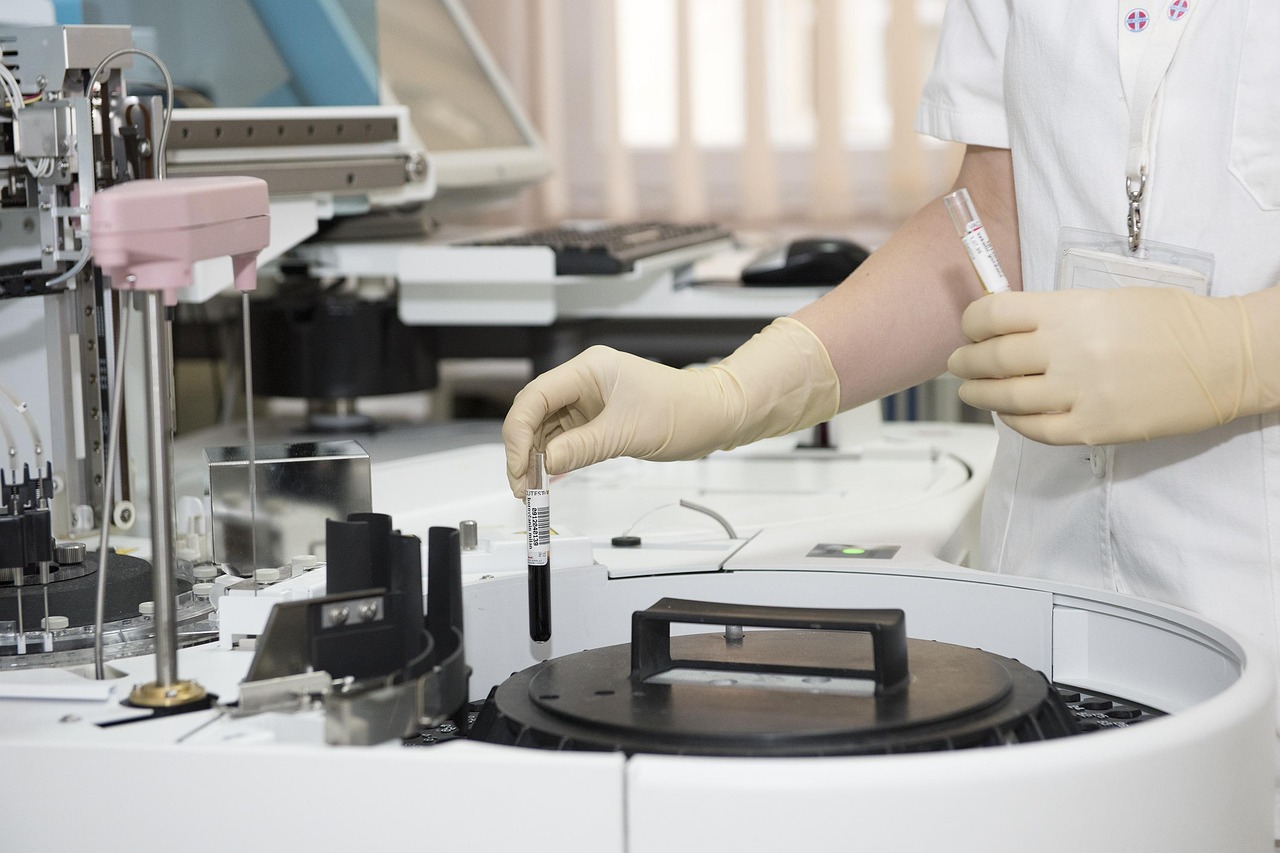
The thyroid gland, located at the base of your neck, plays a vital role in regulating metabolism, growth, and development. A thyroid test is a medical procedure designed to measure the levels of thyroid hormones in your blood, helping healthcare professionals diagnose thyroid conditions like hypothyroidism, hyperthyroidism, or thyroiditis. However, to ensure accurate results, it’s essential to understand what to avoid before taking this test. This article will outline 10 critical factors that could interfere with your thyroid test and provide guidance on optimal preparation.
10 Things to Avoid Before Your Thyroid Test
1. Skipping Meals
Don’t: Fasting for an extended period before the test can lead to false results as low blood sugar may affect hormone levels.
Do: Eat a balanced meal containing carbohydrates and proteins approximately 2-3 hours before your test. This ensures stable blood sugar levels and accurate hormone readings.
2. Consuming Caffeine or Alcohol
Avoid: Both caffeine and alcohol can interfere with thyroid function and hormone regulation.
Instead: Limit your intake of caffeinated beverages (coffee, tea) and avoid alcohol consumption for at least 24 hours before the test to obtain accurate results.
3. Taking Certain Medications
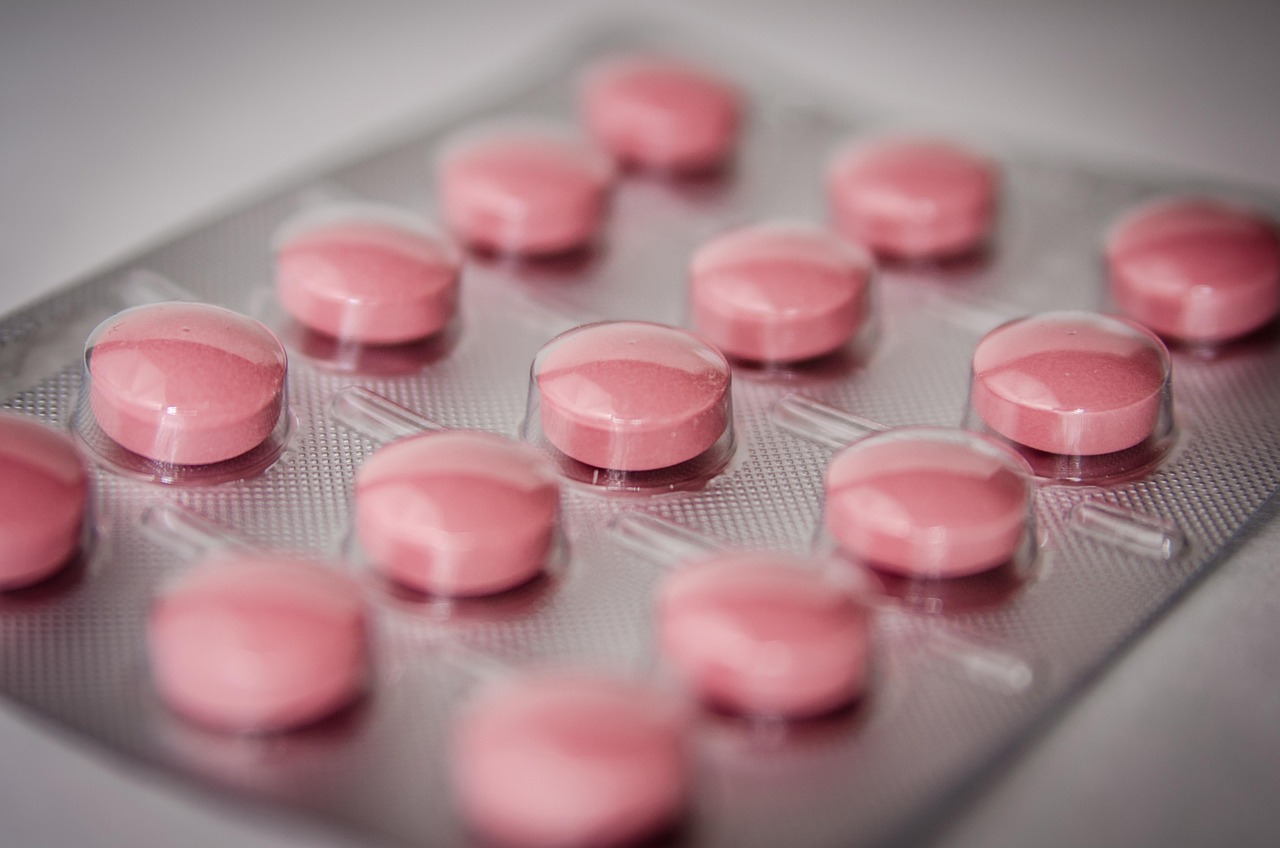
Some medications may impact thyroid hormone levels, causing skewed results. Inform your healthcare provider about any drugs you’re taking, especially those that affect thyroid function, such as:
- Antibiotics (e.g., levofloxacin)
- Anti-seizure medications (e.g., phenobarbital)
- Blood pressure drugs (beta-blockers)
- Certain antidepressants
Action: Your doctor may advise you to temporarily stop or adjust your medication regimen before the test, depending on the medicine and your condition.
4. Excessive Physical Activity
Intense exercise or strenuous activity close to your test appointment can elevate cortisol levels, affecting thyroid function.
Solution: Schedule your test during a period of relative rest. If possible, avoid intense workouts for 24-48 hours before the test.
5. Ignoring Recent Weight Loss or Gain
Rapid or significant weight changes can influence thyroid hormone levels. If you’ve experienced substantial weight loss or gain recently, it’s best to reschedule your test.
What to Do: Aim for a stable body weight in the weeks leading up to the test to ensure accurate results.
6. Not Hydrating Adequately
Dehydration can impact blood volume and hormone concentration.
Stay Hydrated: Drink plenty of water before your test. Avoid excessive diuretics (drinks that increase urine output) for a few hours beforehand.
7. Forgetting to Take Your Medication
If you’re on thyroid medication, ensure you take your prescribed dose as usual, but avoid taking it within a few hours before the test.
Timing is Key: Consult your healthcare provider for specific instructions regarding medication timing on the day of your test.
8. Exposure to Radiation
Recent exposure to radiation, such as X-rays or CT scans, could interfere with thyroid function and test results.
Check Your Medical History: Inform your doctor about any recent radiological procedures, and consider rescheduling if they’re close to your scheduled test.
9. Stressful Events or Illnesses
Stress and illness can temporarily disrupt thyroid hormone production.
Prioritize Rest: If possible, avoid major stressful events or illnesses right before your test. Aim for a period of relative calm and stability.
10. Over-supplementing Iodine
Iodine is essential for thyroid hormone production, but excessive supplementation can provide false signals during the test.
Limit Iodine Intake: Avoid taking iodine supplements or foods high in iodine (like seaweed) for at least 24 hours before your test to obtain accurate results.
Frequently Asked Questions (FAQs)
Q: How long before my appointment should I avoid these activities?
A: Most of the recommendations, like skipping meals and avoiding caffeine, should be followed 2-3 hours before your test. However, some medications may require a longer lead time, so always consult your healthcare provider for personalized advice.
Q: Can minor physical activity impact my results?
A: Minor exercise or daily activities are unlikely to significantly affect your thyroid test results. It’s intense or unusual physical exertion that should be avoided before the test.
Q: What if I forget to take my medication?
A: If you miss a dose, take it as soon as possible but consult your doctor if it’s near your test time. They can guide you on whether to skip or double up on the dose.
Q: How does stress affect thyroid tests?
A: Stress can temporarily lower thyroxine (T4) levels and increase triiodothyronine (T3) production, potentially skewing test results. It’s essential to manage stress levels in the lead-up to your test.
Conclusion
A thyroid test is a valuable tool for assessing thyroid health, but ensuring optimal preparation is crucial for accurate results. By adhering to these 10 guidelines and understanding what to avoid before your test, you’ll contribute to reliable data that helps healthcare professionals provide the best care possible. Always consult with your medical team if you have any concerns or specific questions about preparing for a thyroid test.