TL;DR
Preparing for a thyroid test involves more than just understanding the procedure. One crucial aspect often overlooked is your diet, especially what you should avoid before the test. This article delves into the essential foods and drinks to steer clear of prior to your thyroid test to ensure accurate results. By following these guidelines, you can help guarantee that your test outcomes reflect your thyroid’s true health status.
Understanding Thyroid Tests
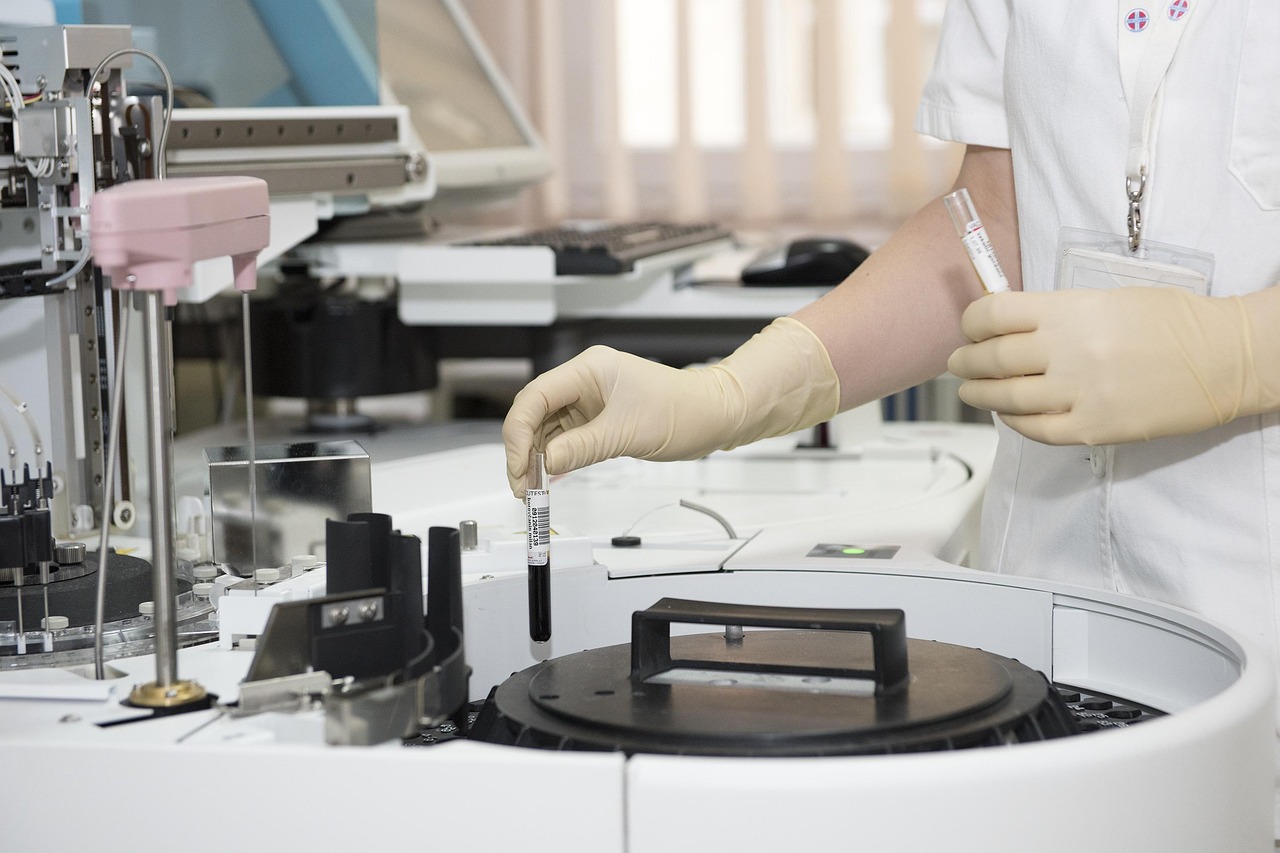
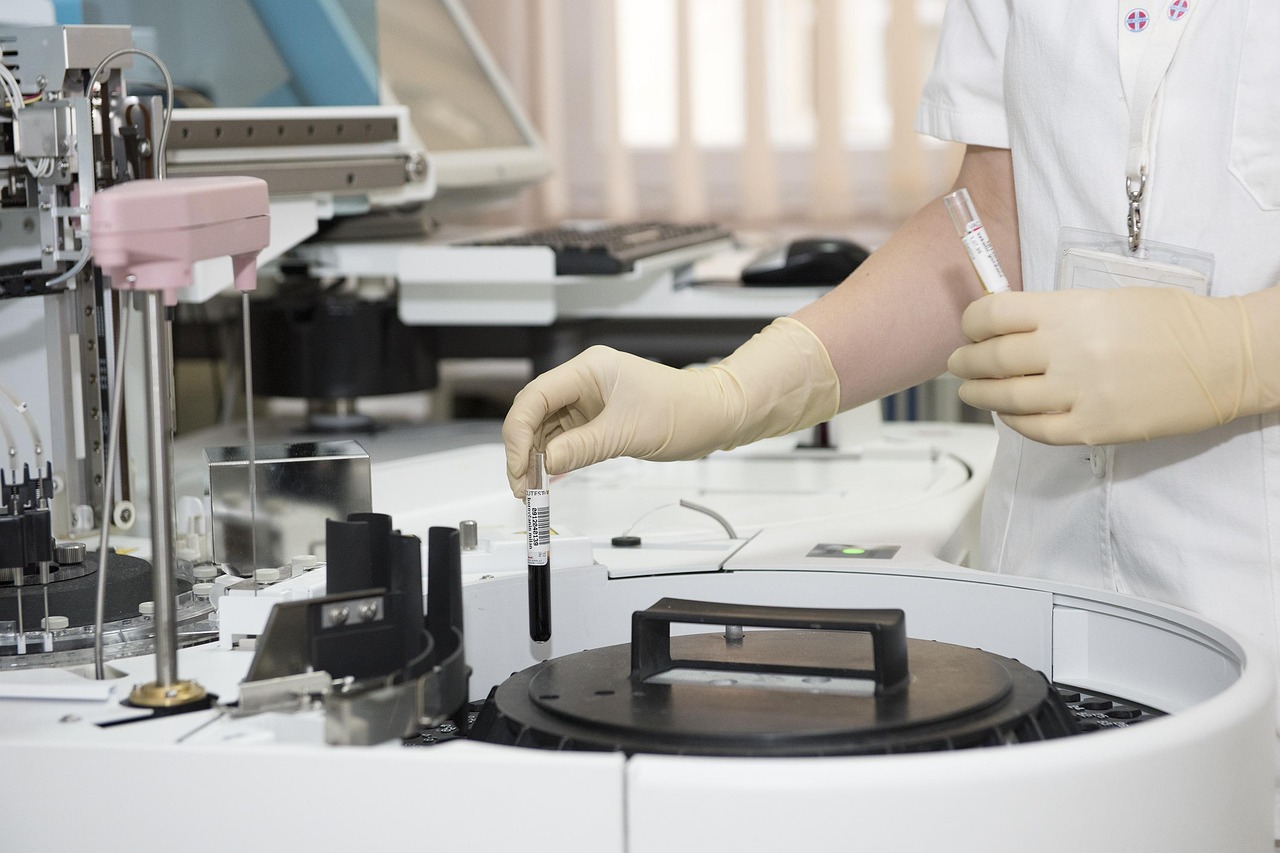
A thyroid test is a crucial diagnostic tool used to evaluate the function of your thyroid gland. These tests measure levels of thyroid hormones (T3 and T4) and thyroid-stimulating hormone (TSH) in your blood. Accurate results are vital for an accurate diagnosis, whether you suspect thyroid issues or are undergoing routine check-ups.
Foods and Drinks to Avoid Before Your Thyroid Test
Before getting a thyroid test, it’s important to avoid certain foods and drinks that could interfere with the accuracy of the results. Here’s a detailed look at what to steer clear of:
1. High-Iodine Foods
Iodine is essential for thyroid hormone production. While a moderate amount of iodine in your diet is healthy, consuming excessive amounts from certain foods can impact test results. Avoid these high-iodine foods for at least a week before your test:
-
Seafood: Fish like cod, tuna, and shrimp are rich in iodine. While seafood offers numerous health benefits, it’s best to limit intake prior to the test.
-
Iodized Salt: Regular table salt often contains added iodine. Opt for regular salt instead of iodized varieties during this period.
-
Milk and Dairy Products: Dairy products can be high in iodine. Choose non-dairy alternatives or opt for low-iodine dairy options.
2. Goitrogenic Foods
Goitrogens are compounds found in certain plants that can interfere with thyroid hormone production. These substances can slow down the thyroid’s ability to absorb iodine. Limit intake of goitrogenic foods, particularly during the week leading up to your test:
-
Raw Cabbage: Cabbage, broccoli, and cauliflower contain goitrogens. Cooking these vegetables for a few minutes helps reduce their goitrogen content.
-
Broccoli and Other Cruciferous Vegetables: While crucifers offer many health benefits, they also contain goitrogens. Consider incorporating them into your diet after the test.
-
Soy Products: Soybeans and soy-based foods can have a goitrogenic effect. Replace them with other plant-based proteins during this time.
3. Caffeine and Alcohol
Caffeine and alcohol can impact hormone levels in your body, potentially affecting the accuracy of thyroid test results:
-
Caffeine: Avoid coffee, tea, colas, and energy drinks. Opt for water or herbal teas instead.
-
Alcohol: Excessive alcohol consumption can interfere with thyroid function. Limit or avoid alcohol intake prior to your test.
What to Eat Instead?
While it’s important to avoid certain foods, focusing on a balanced diet rich in nutrient-dense options is equally crucial:
-
Go for Non-Goitrogenic Vegetables: Spinach, kale, carrots, and sweet potatoes are excellent choices.
-
Lean Proteins: Chicken, turkey, fish (in moderation), and legumes provide essential amino acids.
-
Whole Grains: Opt for brown rice, quinoa, and whole wheat bread instead of refined grains.
-
Healthy Fats: Avocados, nuts, seeds, and olive oil are rich in beneficial fats.
-
Hydrate: Drink plenty of water to support overall health and ensure proper hormone regulation.
When to Start Your Dietary Preparation
It’s generally recommended to begin adjusting your diet at least one week before your thyroid test. This allows for a significant enough reduction in the foods that might interfere, giving your body time to adjust.
Conclusion
A simple dietary adjustment can significantly impact the accuracy of your thyroid test results. By avoiding high-iodine, goitrogenic foods, and caffeine, you ensure that your test reflects your thyroid’s true state. Remember, a balanced diet rich in healthy options is key to supporting optimal thyroid function.
Frequently Asked Questions (FAQs)
-
How long before my test should I start avoiding these foods?
It’s ideal to begin dietary adjustments at least 7 days prior to your thyroid test to allow for a sufficient reduction of potential interferents. -
Can I consume iodine supplements during this time?
Consult with your healthcare provider before taking any supplements. While some moderate iodine supplementation can be beneficial, excessive intake should be avoided close to the test date. -
What if I accidentally consume one of these foods before the test?
Don’t panic! One occasional intake is unlikely to significantly impact your results. Focus on maintaining a generally healthy diet leading up to the test. -
Are there any specific drinks I should avoid?
In addition to caffeine, it’s best to avoid alcoholic beverages beforehand. These can influence hormone levels and potentially skew test results. -
How long after my test should I continue with this dietary regimen?
After your test, you can gradually reintroduce the foods you’ve been avoiding into your diet. However, maintaining a healthy, balanced diet is always beneficial for thyroid health.