TL;DR
A thyroid test is crucial for diagnosing thyroid disorders, but preparing correctly is essential. This article delves into why your doctor might advise you to avoid certain activities and substances before a thyroid test. Understanding these precautions ensures accurate results, guiding you toward better thyroid health.
Introduction: The Importance of Thyroid Tests
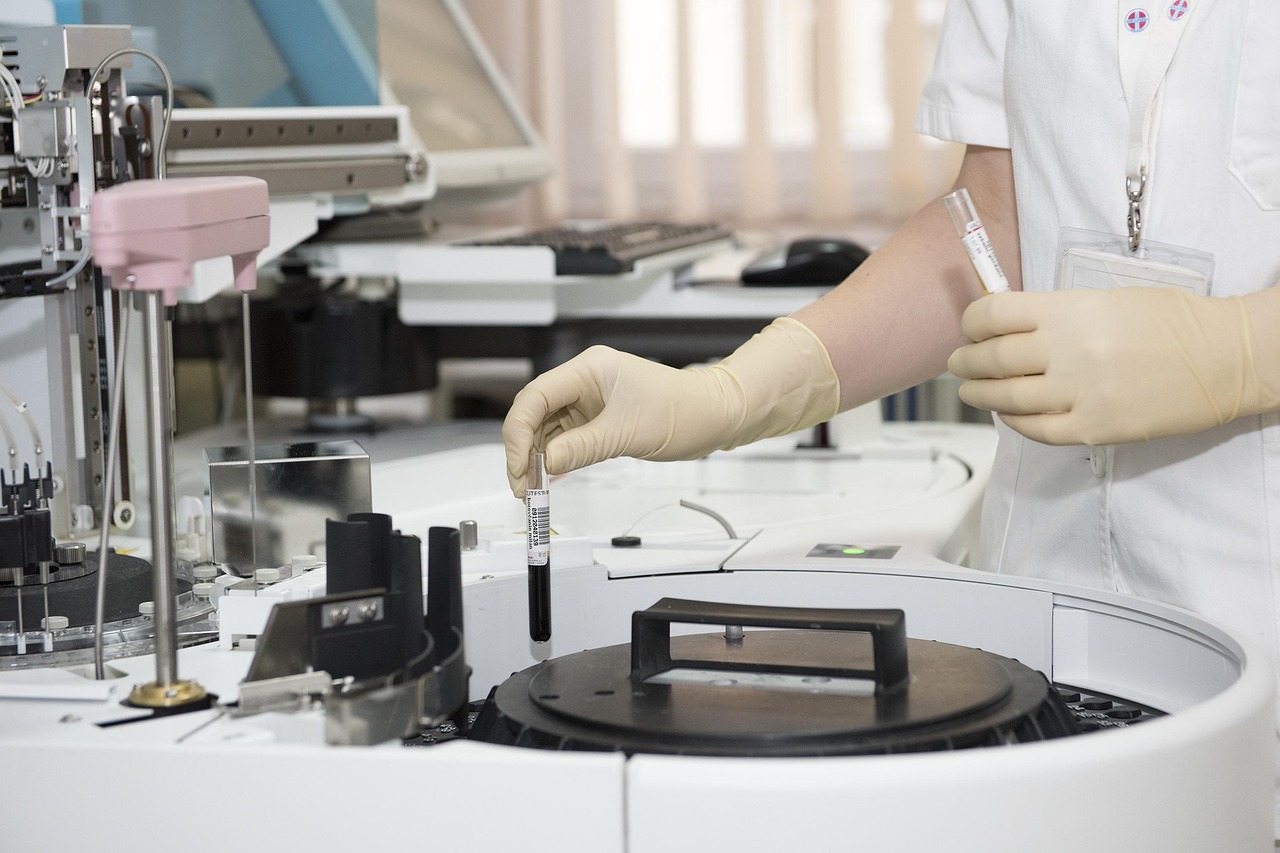
The thyroid gland, located at the base of your neck, plays a pivotal role in regulating metabolism. A thyroid test is a diagnostic tool used to evaluate its function. These tests are essential for identifying conditions like hypothyroidism, hyperthyroidism, or thyroid nodules. However, for the results to be reliable, it’s crucial to follow your doctor’s instructions before the test.
Why Avoid Certain Activities and Substances?
1. Preventing Interference with Test Results
Some substances and activities can interfere with thyroid test results. Understanding these factors helps ensure accurate diagnoses.
-
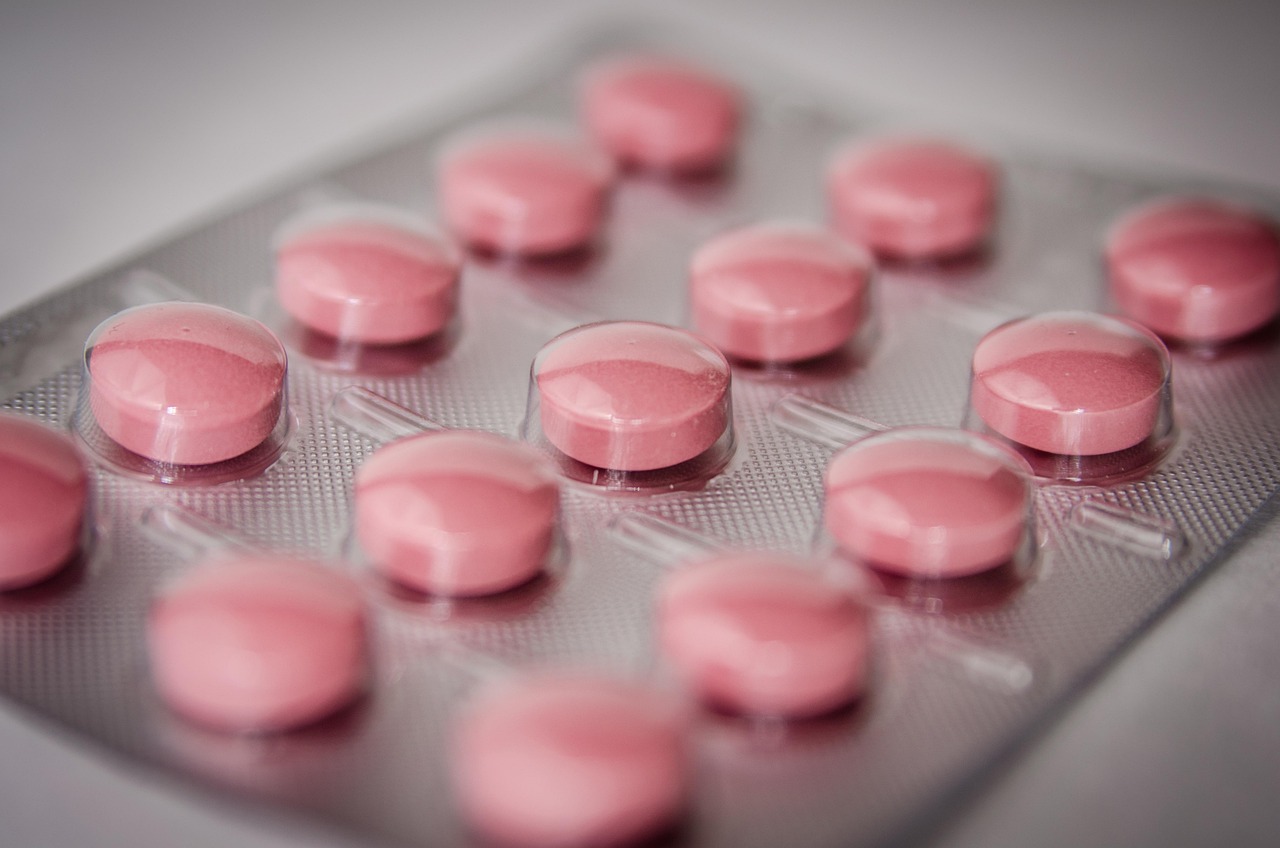
Medications: Certain medications, including some heartburn drugs (e.g., omeprazole), antibiotics, and blood thinners, can affect thyroid hormone levels. Inform your doctor about all medications you’re taking to avoid misinterpretation of test results.
-
Herbal Supplements: Some herbs, like kelp or cassia, contain compounds that mimic thyroid hormones. Avoid them before a test as they could alter your results.
2. Maintaining Normal Hormone Levels
Thyroid tests measure the levels of thyroxine (T4) and triiodothyronine (T3) hormones. Stressing or altering your hormone balance can lead to inaccurate readings.
-
Avoid Extreme Stress: High stress levels can temporarily disrupt thyroid function. Aim for relaxation techniques like deep breathing, yoga, or meditation in the days leading up to the test.
-
Normal Sleep Patterns: Maintain a consistent sleep schedule. Sleep deprivation or irregular sleep cycles can impact hormone production and test accuracy.
3. Preventing Recent Infections
Infections can temporarily affect thyroid function. It’s best to postpone a thyroid test if you have an active infection. If the test is urgent, discuss with your doctor how to manage any existing infections before the test.
Pre-Test Preparation: What to Expect
1. Fasting Requirements
Many thyroid tests require fasting for optimal results. Typically, this means avoiding food and beverages (except water) for 8–12 hours before the test. Follow your doctor’s instructions regarding fasting duration.
2. When to Schedule the Test
Choose a time when you’re usually well-rested and less stressed. Morning tests are often recommended because thyroid hormone levels naturally fluctuate throughout the day.
3. Gathering Medical Records
Bring your recent medical records, especially if you’ve had previous thyroid tests or treatments. This history provides context for interpreting new test results.
Understanding Your Results
After the test, your doctor will review your results and compare them to normal ranges. Thyroid tests typically involve TSH (thyroid-stimulating hormone) levels, which indicate how well your thyroid is functioning. Normal TSH levels vary slightly based on age and other factors.
Frequently Asked Questions (FAQs)
1. Why is it important not to take certain medications before a thyroid test?
Taking medications that affect thyroid hormone production can skew test results, leading to inaccurate diagnoses. Always inform your doctor about all medications you’re taking.
2. Can I still get a thyroid test if I have an active infection?
It’s best to postpone the test until the infection resolves. In some cases, your doctor might still order the test but interpret results with caution. Discuss options with your healthcare provider.
3. How long do I need to fast before a thyroid test?
Fasting typically involves avoiding food and beverages (except water) for 8–12 hours before the test. Follow your doctor’s specific instructions, as requirements may vary.
**4. What if I’m worried about potential side effects of thyroid tests? **
Thyroid tests are generally safe and non-invasive. Side effects are rare. If you’re concerned, discuss them with your doctor, who can provide reassurance and address any questions.
5. How often should I get a thyroid test?
The need for regular testing depends on various factors, including your age, medical history, and symptoms. Ask your doctor about appropriate screening intervals based on your individual needs.
Conclusion: Taking Control of Your Thyroid Health
Athyroid test is a valuable tool in managing your thyroid health. By understanding why certain activities and substances need to be avoided before the test, you can ensure accurate results. Following your doctor’s instructions will help guide you toward better thyroid function and overall well-being. Don’t hesitate to reach out to your healthcare provider with any questions or concerns.