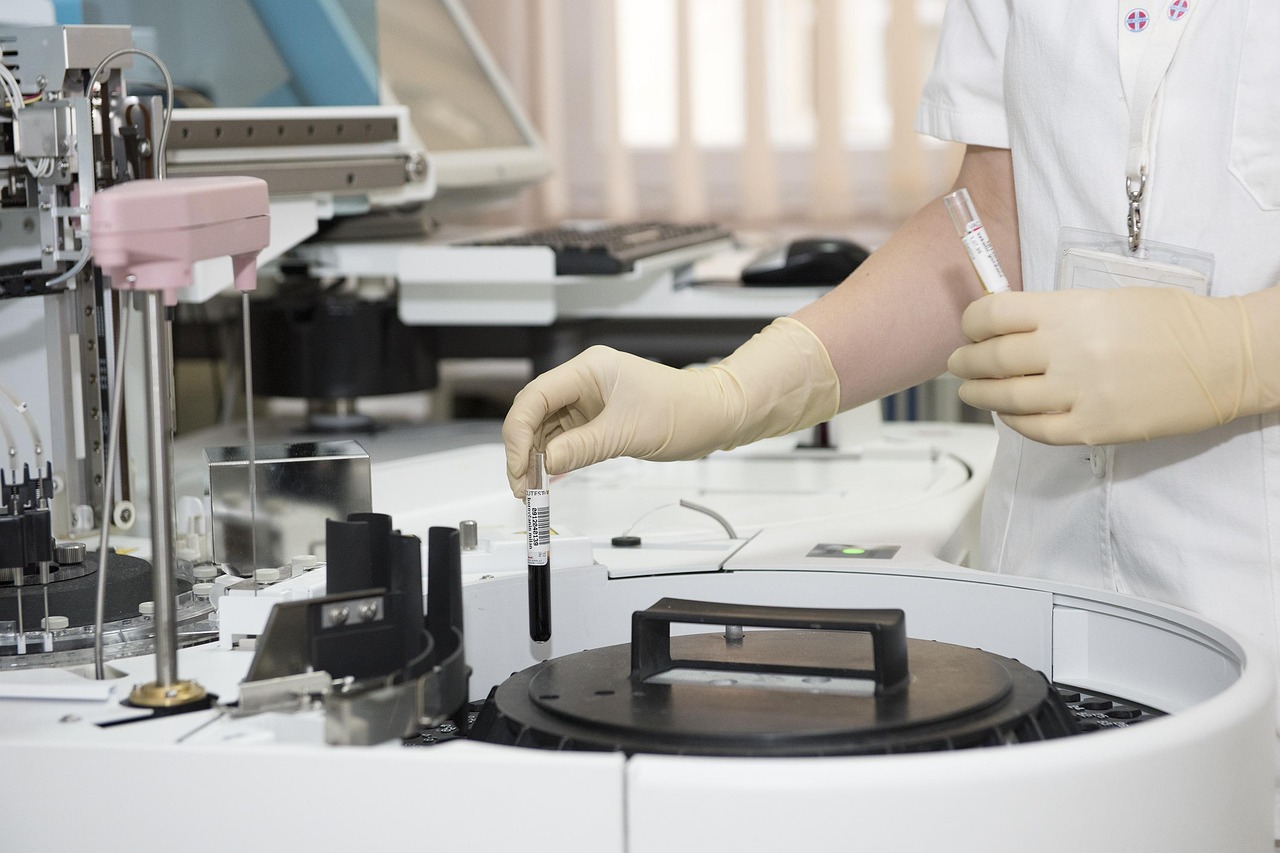
TL;DR: Understanding when and how to prepare for a thyroid test, including whether fasting is necessary, can ensure accurate results and lead to better management of your thyroid health. This article explores the importance of proper preparation for a thyroid test, addressing common questions about fasting, diet, and lifestyle factors that impact test accuracy.
Introduction: The Importance of Accurate Thyroid Test Results
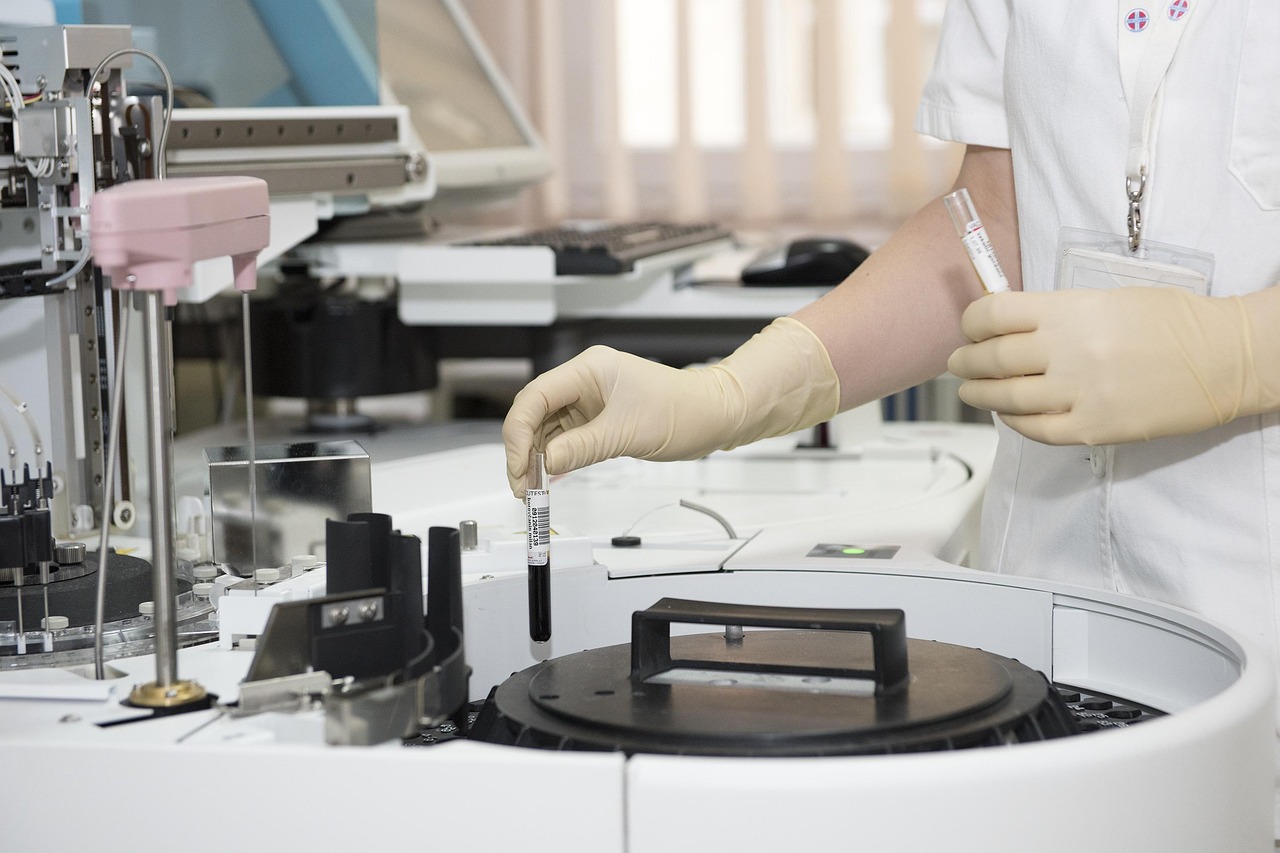
A thyroid test is crucial for diagnosing thyroid conditions such as hypothyroidism, hyperthyroidism, or thyroiditis. Understanding how to prepare for this test is essential for obtaining reliable results and ensuring accurate diagnosis and treatment. One common question that arises is whether fasting before the test is necessary. This article delves into the details, providing comprehensive guidance on optimal preparation for a thyroid test.
Understanding Thyroid Function and the Test
What Does the Thyroid Do?
The thyroid gland, located at the base of your neck, plays a vital role in regulating your body’s metabolism. It produces hormones that influence almost every cell in your body, affecting how you feel and function.
Types of Thyroid Tests
Several thyroid tests may be ordered by your healthcare provider depending on your symptoms and initial assessment:
-
TSH (Thyroid-Stimulating Hormone) Test: Measures the amount of TSH, a hormone released by the pituitary gland that stimulates the thyroid to produce its own hormones.
-
T3 and T4 Tests: Directly measure the levels of triiodothyronine (T3) and thyroxine (T4), the primary hormones produced by the thyroid.
-
Thyroid Antibody Tests: Look for specific antibodies in your blood that may indicate autoimmune thyroid conditions like Hashimoto’s thyroiditis.
Fasting Before a Thyroid Test: What You Need to Know
The need to fast before a thyroid test depends on the type of test being performed. Generally, fasting is not required for TSH tests. However, for tests measuring T3 and T4 levels, it’s important to follow specific fasting guidelines.
Why Fasting Matters for Certain Thyroid Tests
Certain thyroid hormones, like T3 and T4, are primarily produced in the morning. Eating a meal can temporarily interfere with their measurement, as food can affect how these hormones are absorbed and metabolized. To ensure accurate results, healthcare providers often recommend a period of fasting before testing these hormone levels.
How Long Should You Fast?
The recommended fasting duration varies depending on the test:
- TSH Test: No fasting is required.
- T3 and T4 Tests: Typically involve fasting for 8-12 hours prior to the test.
It’s crucial to follow your healthcare provider’s specific instructions regarding fasting, as guidelines may differ based on your individual circumstances.
Other Factors Influencing Thyroid Test Results
While fasting is important, several other factors can also impact the accuracy of a thyroid test:
1. Medications
Some medications, including certain antidepressants and heartburn drugs, can affect thyroid hormone levels. Inform your healthcare provider about all medications you are taking before testing.
2. Stress and Illness
Acute stress or illness can temporarily disrupt thyroid function. If possible, schedule your test during a period of relative stability to obtain more reliable results.
3. Sleep Quality
Adequate sleep is essential for optimal thyroid function. Aim for 7-9 hours of quality sleep in the night preceding the test.
4. Diet
While fasting is crucial for certain tests, maintaining a healthy diet year-round supports overall thyroid health. A balanced diet rich in iodine, selenium, zinc, and tyrosine (found in protein-rich foods) can help support thyroid function.
Preparing for Your Test: A Step-by-Step Guide
Here’s a breakdown of how to prepare for your thyroid test:
-
Confirm with Your Doctor: Double-check fasting requirements and any other specific instructions provided by your healthcare provider.
-
Plan Ahead: Schedule your test during a time when you are relatively stress-free and well-rested.
-
Follow Fasting Guidelines: If required, strictly adhere to the recommended fasting period. Avoid food and beverages (except water) before the test.
-
Stay Hydrated: Drink plenty of water to stay hydrated throughout the fast (if applicable).
-
Avoid Supplements: Stop taking any thyroid supplements or herbs at least 2-3 days before your test, as they can interfere with results.
-
Wear Comfortable Clothing: Choose attire that allows easy access to your neck for a comfortable and stress-free testing experience.
Frequently Asked Questions (FAQs)
1. Can I eat before my TSH test?
Yes, you do not need to fast for a TSH test. You can eat normally as usual.
2. How long should I fast if my doctor orders a T3 and T4 test?
Follow your doctor’s specific instructions, but typically fast for 8-12 hours prior to the test.
3. Will exercising before the test affect my results?
Mild exercise is generally okay, but intense physical activity close to testing may raise stress levels and potentially impact results. Aim for a balanced approach.
4. Are there any foods I should avoid before a thyroid test?
Avoid goitrogenic foods like broccoli, cauliflower, and soy products 2-3 days before the test as they can interfere with thyroid function.
5. What happens if I don’t fast properly before my test?
Improper fasting could lead to inaccurate test results. If you realize you’ve eaten within the fasting period, inform your healthcare provider so they can consider repeating the test.
Conclusion:
Accurate thyroid test results are essential for managing thyroid conditions effectively. Proper preparation, including appropriate fasting (when required), along with consistent sleep, stress management, and a healthy diet, can significantly impact the accuracy of your tests. Always follow your healthcare provider’s instructions for optimal test outcomes.