TL;DR
A thyroid test is crucial for diagnosing thyroid disorders, but proper preparation is essential to ensure accurate results. This article delves into the reasons behind specific preparations your doctor may recommend before a thyroid test, focusing on what to avoid to maximize reliability. By understanding these guidelines, you’ll ensure that your test outcomes provide valuable insights for effective treatment.
Why Your Doctor Wants You to Avoid Certain Things Before a Thyroid Test
A thyroid test is a vital tool in diagnosing and managing thyroid conditions, such as hypothyroidism or hyperthyroidism. However, to ensure the accuracy of the results, it’s crucial to follow your doctor’s instructions regarding pre-test preparations. This article explores the key reasons why your healthcare provider might advise you to avoid certain activities or substances before undergoing a thyroid test.
1. Medications and Supplements
Thyroid function can be influenced by various medications and supplements, potentially affecting test outcomes. Therefore, inform your doctor about any prescription drugs, over-the-counter medications, vitamins, or herbal supplements you are taking. They may advise you to temporarily stop or reduce the dosage of certain medicines that could interfere with thyroid hormone levels. This is particularly important for medications like beta-blockers, iodine preparations, and certain antacids, as they can impact thyroid function and test accuracy.
2. Iodine Exposure
Iodine is an essential component of thyroid hormones, and its intake can influence test results. Avoid consuming foods or supplements rich in iodine for a specified period before the test. This includes sea food, iodized salt, and some types of bread and dairy products that may be fortified with iodine. While it’s generally safe to consume regular amounts of iodine, excessive exposure close to the test date could skew the results.
3. Stress and Intense Exercise
Thyroid hormones play a role in regulating metabolism and energy levels, including responses to stress and exercise. Before a thyroid test, avoid intense physical activity or situations that induce significant stress. Extreme exertion can temporarily increase thyroid hormone levels, affecting the accuracy of the results. Similarly, managing stress levels through relaxation techniques before the test is beneficial for maintaining consistent hormone levels.
4. Meal Timing
The timing of your meals can impact thyroid test results. Fasting for a specific period, typically 8-12 hours, before the test is often recommended. This allows for more stable thyroid hormone levels, as food intake can influence their concentration in the blood. Ensure you inform your doctor if you have any dietary restrictions or specific meal plans to ensure proper preparation.
5. Avoid Smoking and Alcohol
Smoking and excessive alcohol consumption can interfere with thyroid function and test accuracy. Refrain from smoking or drinking alcohol in the days leading up to the test. These habits can elevate stress levels, impact hormone regulation, and provide false positives or negatives during the testing process.
Other Important Considerations
- Sleep Patterns: Maintain a consistent sleep schedule as disruptions can affect thyroid function.
- Hormonal Changes: Inform your doctor if you’re pregnant or breastfeeding, as these conditions may require specialized preparations.
- Medical History: Disclose any previous thyroid problems or surgeries to ensure tailored instructions.
What to Expect During and After the Test
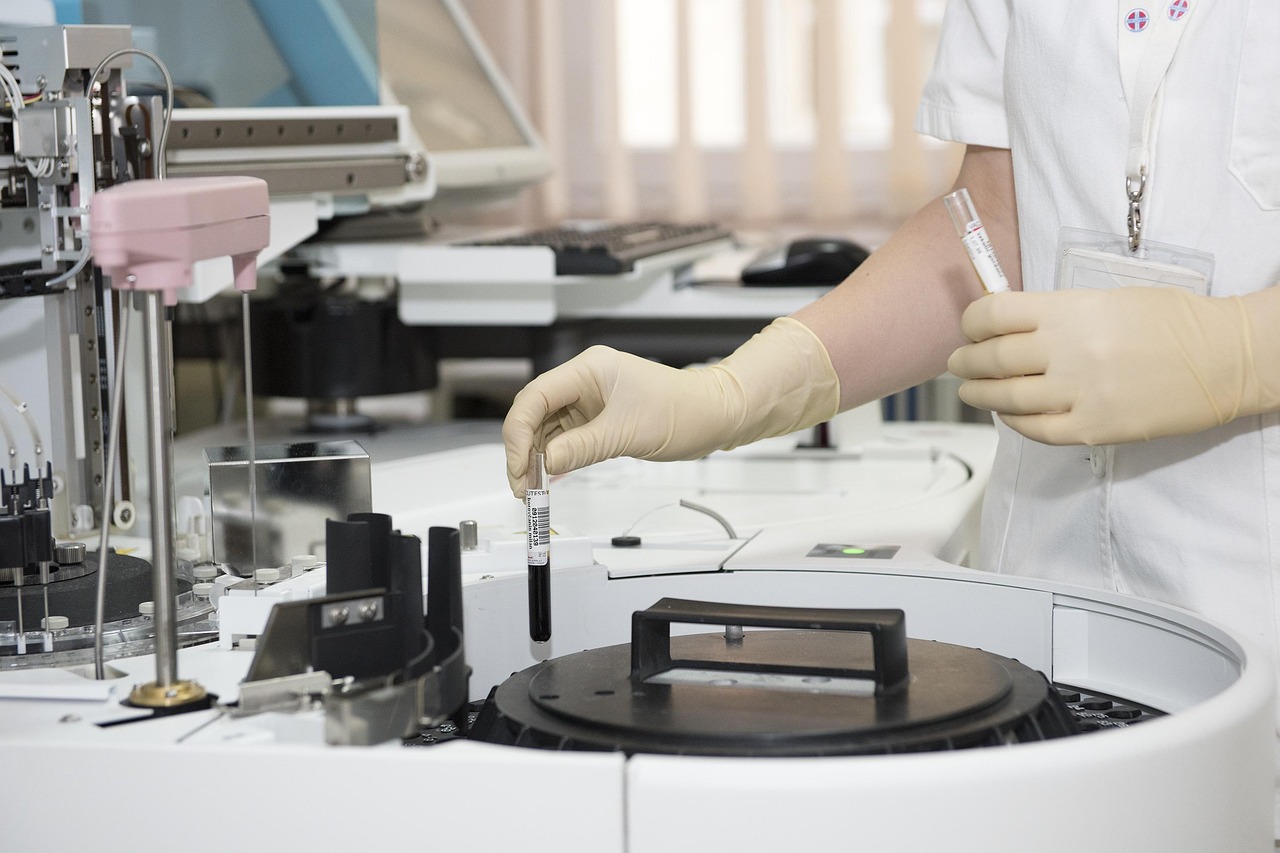
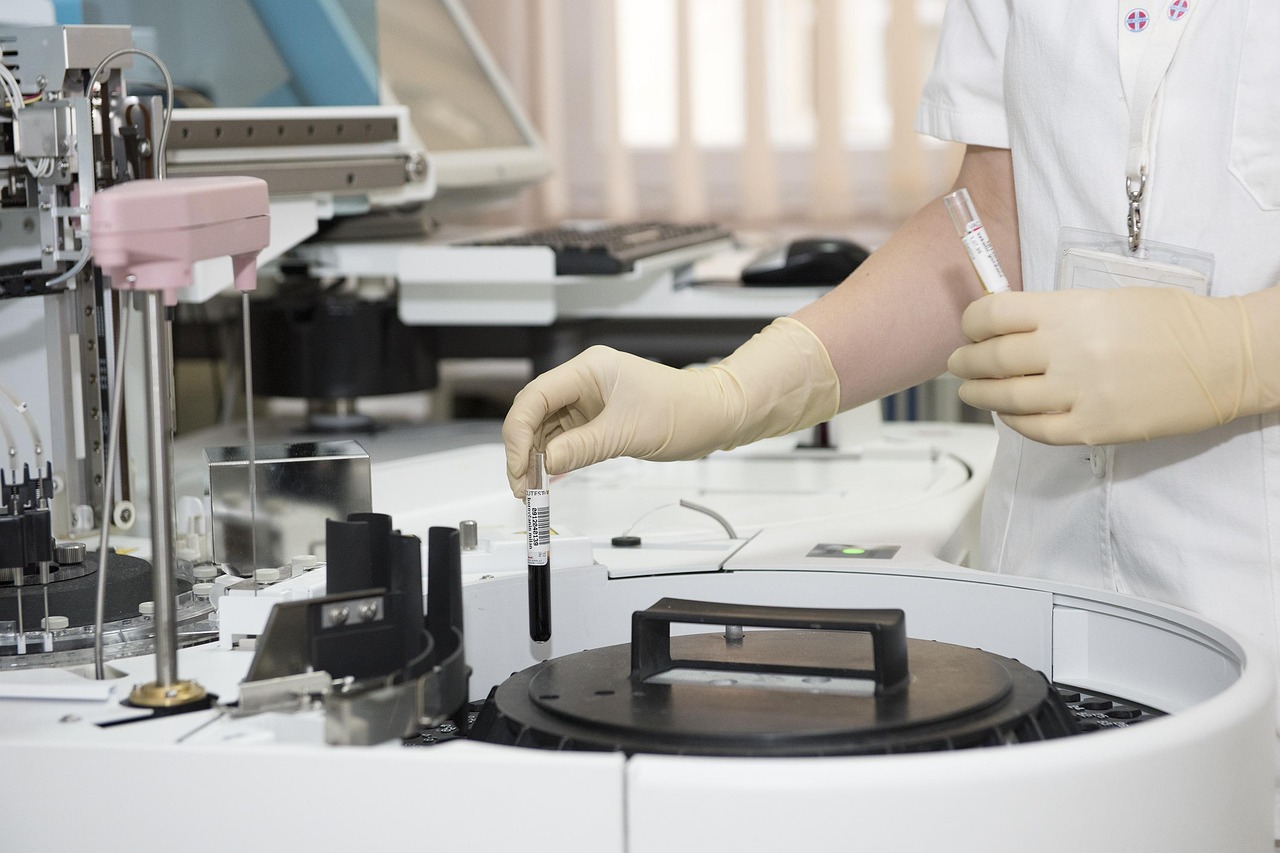
A thyroid test typically involves a blood draw to measure thyroid-stimulating hormone (TSH) levels and, in some cases, total thyroid hormone (T3 and T4) concentrations. The sample is sent to a laboratory for analysis. After the test, your doctor will review the results and discuss any necessary follow-up actions or treatment options based on the findings.
Conclusion
Proper preparation before a thyroid test is vital for obtaining reliable results. By avoiding medications, excessive iodine exposure, stressful situations, altering meal times, smoking, and alcohol consumption, you ensure that your test provides accurate insights into your thyroid health. Always follow your doctor’s instructions and clarify any doubts to make the most of your thyroid test and subsequent medical advice.
FAQ
1. How long before a thyroid test should I avoid medication?
Your doctor will provide specific guidance, but typically, you should stop or reduce certain medications for 1-2 weeks before the test. Always follow their instructions carefully.
2. Can stress impact my thyroid test results?
Yes, stress can temporarily elevate thyroid hormone levels. Refrain from intense exercise and stressful situations before the test to ensure accurate results.
3. Is fasting necessary for a thyroid test?
Fasting, usually for 8-12 hours, is often recommended to stabilize thyroid hormone levels. Inform your doctor if you have any dietary restrictions or concerns regarding fasting.
4. What happens if I don’t follow the preparation instructions?
Inaccurate test results may lead to misdiagnosis and inappropriate treatment. Following your doctor’s advice ensures that the test provides valuable data for a correct diagnosis and effective treatment plan.
5. Are there any natural ways to prepare for a thyroid test?
While some lifestyle adjustments like maintaining a balanced diet, exercising regularly, and managing stress are generally beneficial, always consult your doctor before trying any natural remedies or supplements. They can provide tailored advice based on your individual needs.