TL;DR: Preparing for a thyroid test is crucial for accurate results. This article explores 10 things you should never do before getting a thyroid test, offering guidance to ensure your test provides reliable insights into your thyroid health. From dietary changes to medications, discover the potential pitfalls to avoid for optimal test accuracy.
10 Things You Should Never Do Before Getting a Thyroid Test
A thyroid test is an essential tool for diagnosing and managing thyroid disorders. However, simple preparations can significantly impact the accuracy of your results. Here are 10 crucial things to avoid leading up to your appointment:
1. Change Your Diet Drastically in the Weeks Prior
Adjusting your diet dramatically—whether it’s drastic weight loss plans, extremely low-carb diets, or eliminating entire food groups—can affect your thyroid hormone levels. Give yourself at least 4-6 weeks before your test to stabilize your diet. Focus on a balanced diet rich in fruits, vegetables, lean proteins, and whole grains.
2. Start or Stop Taking Thyroid Medication Without Consulting Your Doctor
If you are already taking thyroid medication, never stop it abruptly without medical supervision. Similarly, avoid starting any new thyroid-related supplements or herbs. Discuss any medications or supplements with your doctor to ensure they won’t interfere with your test results.
3. Exercise Excessively or Participate in High-Intensity Workouts Close to the Test Date
Intense exercise can temporarily elevate cortisol levels and impact thyroxine (T4) hormone production. Aim for moderate, regular exercise throughout the testing period. Avoid extreme workouts within a week of your appointment.
4. Consume Large Amounts of Caffeine or Alcohol Beforehand
Caffeine and alcohol can both interfere with thyroid function. Limit your intake in the days leading up to your test for more accurate results. Remember, even small amounts can make a difference.
5. Skip Breakfast or Go Extended Periods Without Eating
Fasting for extended periods or skipping meals can trigger stress responses in your body that affect hormone levels. Eat a nutritious breakfast and aim for regular, balanced meals throughout the day before your test.
6. Stress Out Over the Test Results
Anxiety about potential test results can lead to physical symptoms that mimic thyroid disorders. Focus on relaxation techniques like deep breathing or meditation to keep stress levels in check. Remember, a clear mind promotes accurate testing.
7. Wear Tight Clothing Around Your Neck
Avoid tight clothing or jewelry around your neck for at least 24 hours before the test. Thyroid tests often involve feeling your neck for any abnormalities, and compression can impact the accuracy of these assessments.
8. Take Over-the-Counter Medications Without Consulting Your Doctor
Some over-the-counter drugs, including certain antihistamines and painkillers, can interfere with thyroid hormone absorption. Always discuss potential interactions with your doctor before taking any new medications close to your test.
9. Ignore Underlying Health Conditions
If you have a known medical condition that could affect your thyroid, such as an autoimmune disorder or hypothyroidism, be sure to inform your doctor and follow any specific instructions for preparation.
10. Put Off the Test If You’re Sick
Postponing a thyroid test while you’re sick can lead to false results. Inform your doctor if you’re experiencing symptoms like a fever or severe fatigue. They may recommend rescheduling until you’re feeling better.
Understanding Your Thyroid Test
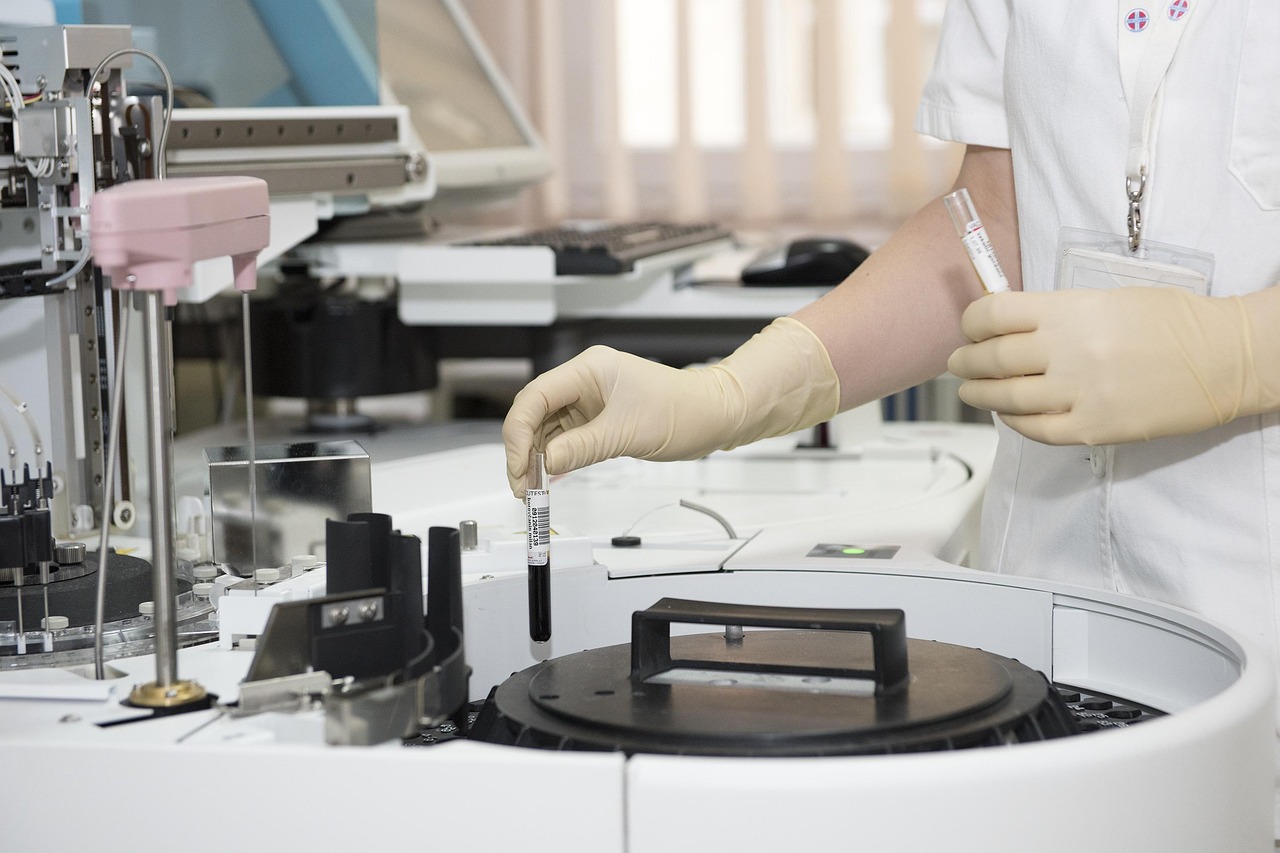
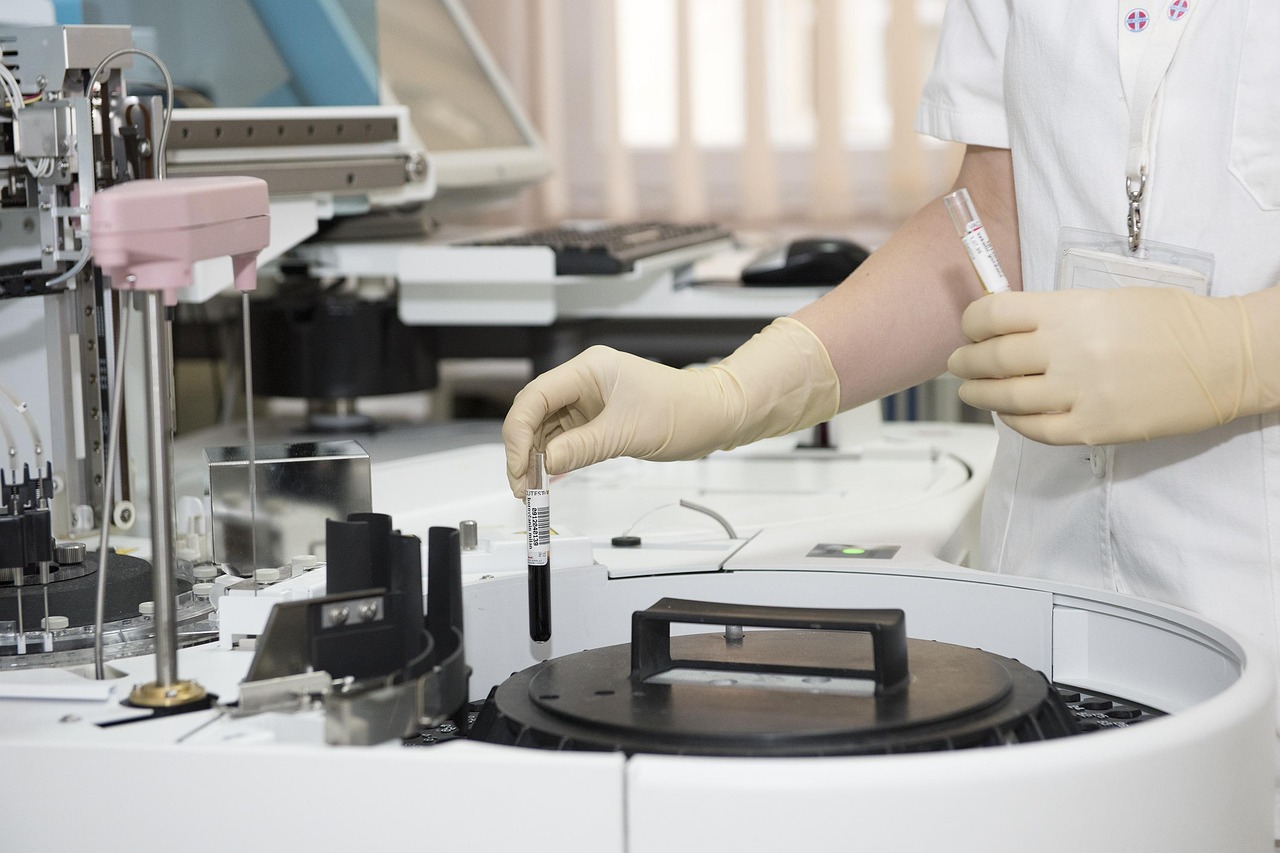
A thyroid test, often comprising blood panels measuring TSH (Thyroid Stimulating Hormone), T3, and T4 levels, assesses the functionality of your thyroid gland. These hormones play a vital role in regulating metabolism, energy production, and growth. Accurate results depend on minimizing external factors that could skew the data.
Conclusion: Embracing Optimal Thyroid Test Preparation
Remember, preparing for a thyroid test is crucial for obtaining reliable results. By avoiding these 10 common mistakes, you’ll ensure your test provides an accurate picture of your thyroid health. Don’t hesitate to reach out to your healthcare provider with any questions or concerns about the testing process and optimal preparation.
FAQ:
Q: How long before my appointment should I start preparing for a thyroid test?
A: Aim for at least 4-6 weeks of consistent diet and lifestyle habits leading up to your test. This allows time for any fluctuations in hormone levels to stabilize.
Q: What if I’m taking supplements? Should I stop before the test?
A: Consult with your doctor about any supplements or herbs you’re taking. Some may interfere with thyroid test results, while others are safe to continue.
Q: Can stress really impact my thyroid test results?
A: Absolutely. Anxiety and stress can trigger physiological responses that mimic thyroid disorders. Relaxation techniques can help minimize stress before your test.
Q: How does exercise affect thyroid tests?
A: Regular, moderate exercise is generally beneficial for thyroid health. However, intense workouts close to the test date may impact hormone levels temporarily.
Q: What should I wear to my thyroid test appointment?
A: Dress comfortably and avoid tight clothing around your neck. This will ensure ease during any physical examinations conducted as part of the testing process.