TL;DR
Before undergoing a thyroid test, it’s crucial to understand what your doctor might need you to avoid. This preparation ensures accurate test results, guiding effective treatment for thyroid conditions. This article delves into the reasons behind these precautions, offering insights into optimal testing conditions.
Why Thyroid Test Preparation Matters
A thyroid test is a critical tool for diagnosing thyroid disorders, which affect millions worldwide. Accuracy is paramount, and your doctor might provide specific instructions to ensure reliable results. This preparation phase targets external factors that could interfere with the test’s sensitivity. Here’s what you need to know:
1. Medication Adjustments
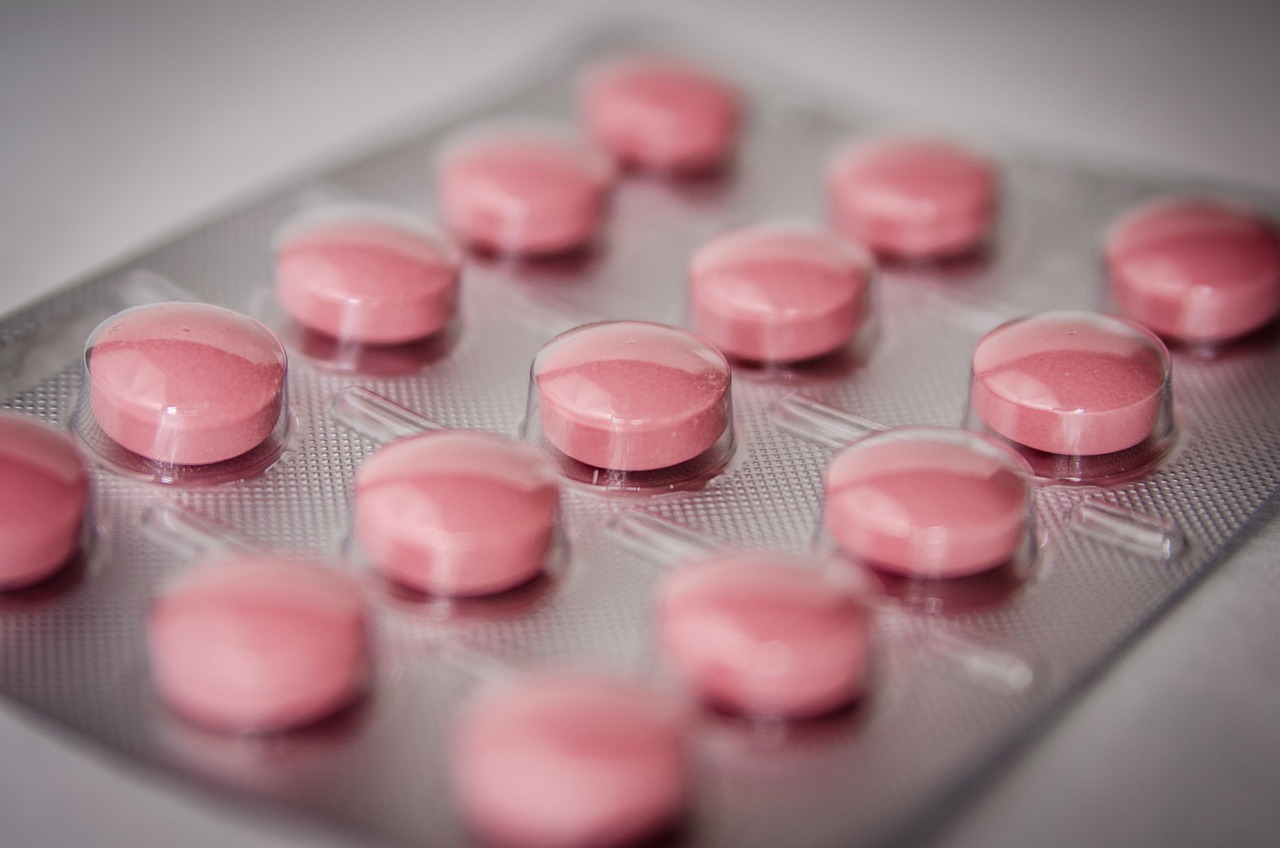
Medications can significantly impact thyroid hormone levels. Certain drugs used for treating conditions like anxiety, depression, or high blood pressure might affect your thyroid function. Inform your doctor about all medications, including over-the-counter supplements, you’re currently taking. They may advise you to:
- Adjust the timing: Some medications should be taken at specific times of the day, and this can influence when you get tested. Your doctor will suggest a suitable schedule for optimal results.
- Hold off on certain drugs: For instance, if you take thyroid medication already, your doctor might ask you to temporarily stop or reduce the dose before the test. This step helps isolate thyroid hormone levels from any external influence.
2. Avoiding Supplements and Herbs
Many herbs and dietary supplements interact with thyroid medications or alter hormone production. Always discuss any supplements you’re using, as some may need to be discontinued temporarily for accurate testing:
- Iodine supplements: Iodine is essential for thyroid hormone synthesis, but excessive intake can interfere with tests. Your doctor might advise against iodine supplements before the test.
- Herbal remedies: Certain herbs like Ashwagandha and Ginkgo Biloba may impact thyroid function. Discontinue their use for a few days before your test to avoid skewed results.
3. Refraining from Extreme Dieting or Fasting
Thyroid hormones play a vital role in metabolism, including energy regulation and nutrient absorption. Extreme dietary changes can stress your body and affect hormone levels:
- Avoid drastic diets: Rapid weight loss or extreme calorie restriction might impact thyroid function. Maintain a balanced diet to ensure accurate test results.
- Don’t fast: Fasting can trigger a stress response, causing temporary thyroid suppression. Eat a regular meal before your test to support optimal hormone levels.
4. Minimizing Stress and Sleep Disturbances
Stress and sleep disorders are closely linked to thyroid health. They can influence hormone production and impact test outcomes:
- Manage stress: Practice relaxation techniques like deep breathing, meditation, or yoga to keep stress levels in check before your test.
- Prioritize sleep: Aim for 7-9 hours of quality sleep the night before. Avoid electronic devices before bed, as blue light can disrupt sleep patterns.
Understanding Normal Test Procedures
After preparing as directed, here’s what to expect during a typical thyroid test:
The Thyroid Test Process
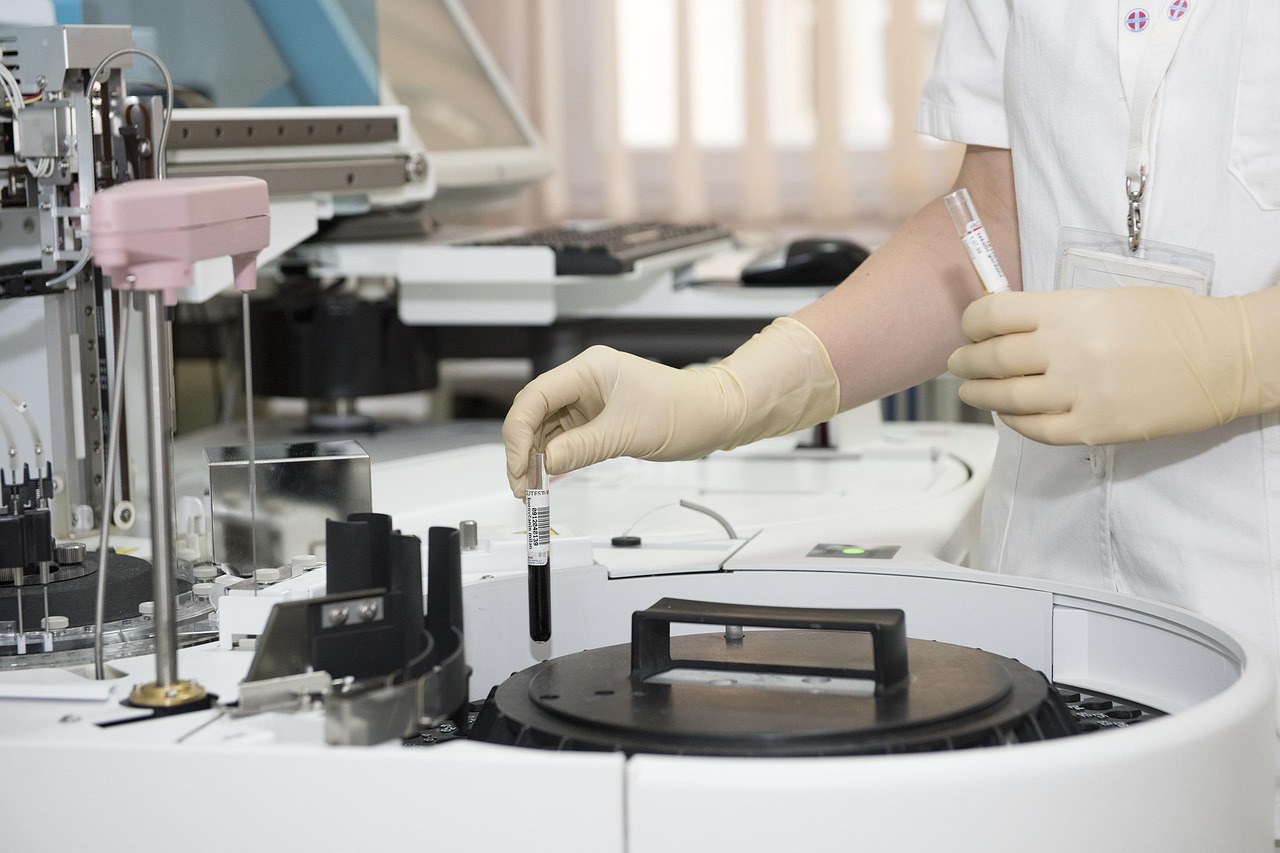
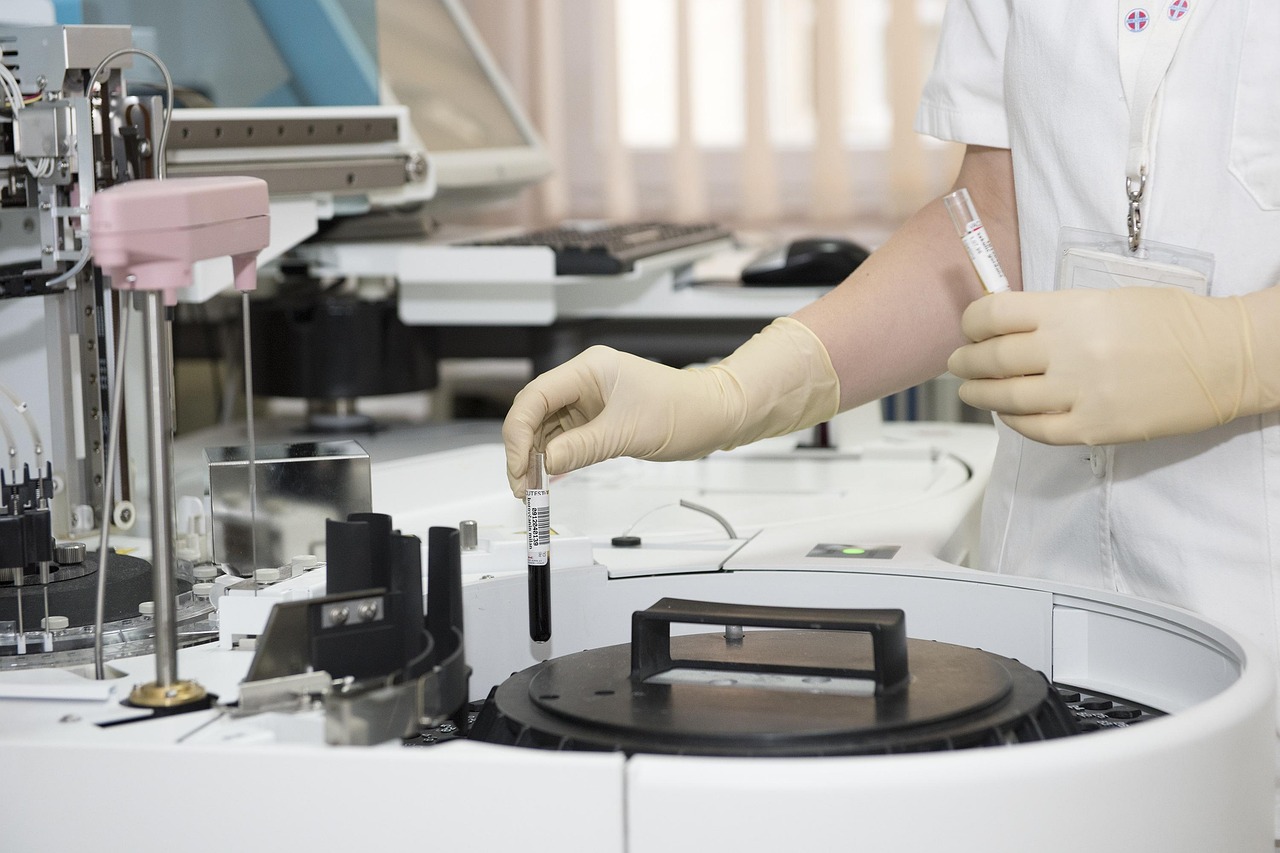
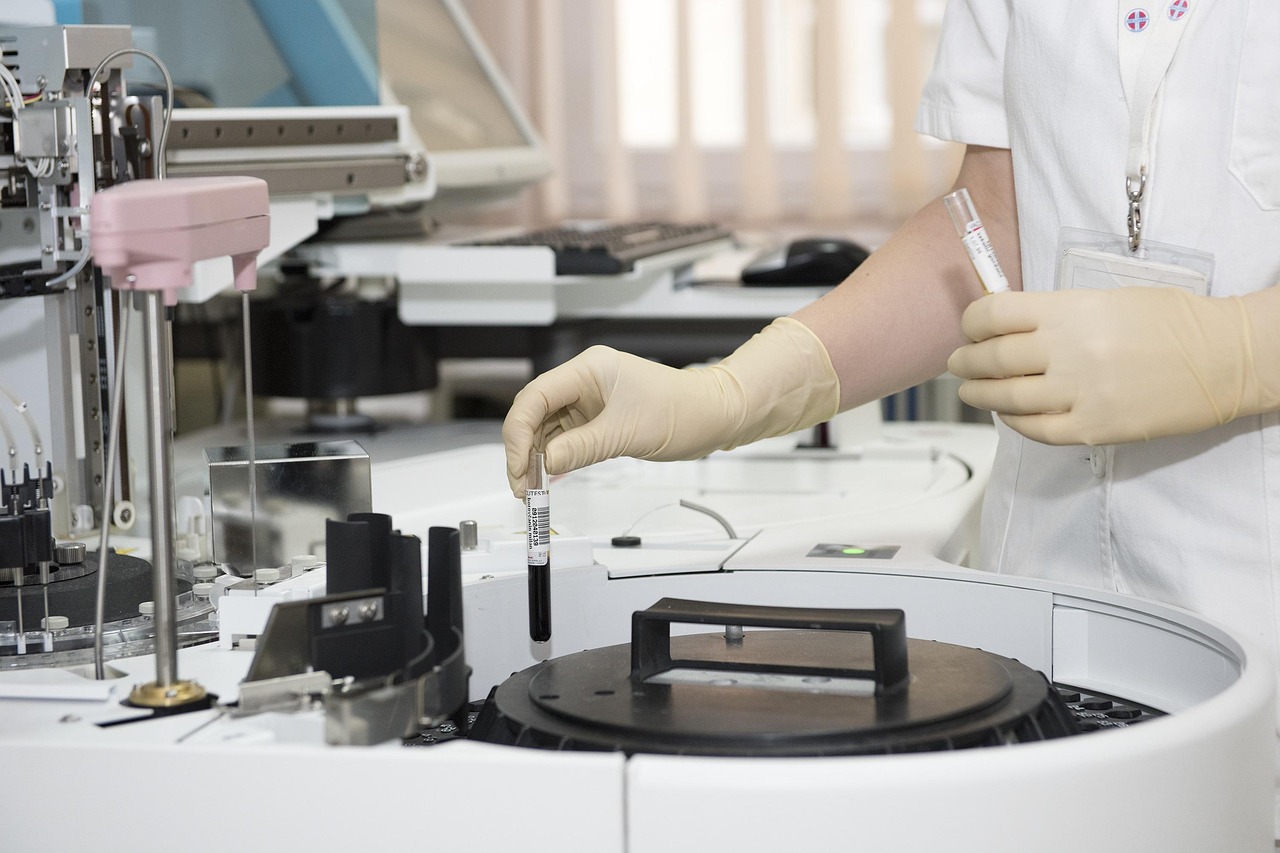
- Blood sample: A healthcare professional will take a blood sample, usually from your arm vein. This sample is sent to a lab for analysis.
- Hormone measurement: The primary hormones tested are TSH (Thyroid Stimulating Hormone), T3 (Triiodothyronine), and T4 (Tyroxine). These hormones regulate metabolism and energy production.
- Normal range: Reference ranges for these hormones vary slightly between labs. Generally, TSH levels should be between 0.4 to 4.0 mIU/L, while T3 and T4 levels fall within narrow ranges specific to each lab.
Frequently Asked Questions (FAQs)
Q: What if I forget to tell my doctor about a supplement?
A: Even if you forget, be open and honest with your doctor. They can still interpret the test results accurately, but it’s best to provide complete information for optimal analysis.
Q: How long before the test should I stop taking my thyroid medication?
A: This depends on the specific medication and your doctor’s advice. Generally, they’ll guide you on whether to temporarily stop or reduce the dose, usually a few days before the test.
Q: Can stress affect my thyroid test results?
A: Yes, high-stress levels can elevate TSH levels, making it seem like hypothyroidism. Maintaining good mental health is crucial for accurate testing.
Q: Are there any foods I should avoid before a thyroid test?
A: While no specific foods need to be avoided, maintaining a balanced diet is essential. Avoid excessive iodine intake from food sources, especially in the days leading up to the test.
Conclusion
Preparing for a thyroid test involves understanding and adhering to your doctor’s instructions regarding medications, supplements, dietary choices, and lifestyle factors. These precautions ensure that your test results accurately reflect your thyroid health status. By following these guidelines, you contribute to a more reliable diagnosis and effective treatment planning. Remember, your doctor’s guidance is tailored to your unique circumstances, so trust their recommendations for the best outcomes.