TL;DR
This comprehensive guide answers whether fasting is necessary before a thyroid test, clarifying misconceptions and providing expert insights. We’ll explore the science behind thyroid function, how fasting impacts test results, alternative preparation methods, and what to expect during and after your visit.
Understanding Thyroid Function and Testing
What is a Thyroid Test?
A thyroid test, also known as a thyroid function test or thyroid panel, assesses the levels of thyroid hormones in your blood. These hormones—T3 (triiodothyronine) and T4 (thyroxine)—play crucial roles in regulating metabolism, energy production, and growth.
Why is it Important?
Disruptions in thyroid hormone levels can lead to a range of health issues, including hypothyroidism (low hormone levels), hyperthyroidism (high hormone levels), and thyroiditis (inflammation). A thyroid test helps healthcare providers diagnose these conditions accurately and recommend appropriate treatment.
Fasting Before Thyroid Testing: The Debate
Common Belief: Fasting is Essential for Accurate Results
For years, medical professionals have advised patients to fast before a thyroid test, typically overnight (8-12 hours). This practice stems from the belief that eating can interfere with the body’s natural hormone levels and cloud test results.
The Science Behind It: Debunking Fasting Myths
Recent research challenges the necessity of fasting prior to a thyroid test. Here’s what science tells us:
-
Hormone Stability: Thyroid hormones are relatively stable within a 24-hour period, even after meals. Studies show minimal fluctuations in T3 and T4 levels between fasting and fed states.
-
Dietary Impact: The composition of your diet has a more significant effect on thyroid function than whether you’ve eaten recently. For instance, an iodine-rich diet can boost thyroid hormone production, while high sugar intake may impair it.
-
Test Sensitivity: Modern thyroid tests are highly sensitive and specific, designed to account for natural variations in hormone levels throughout the day. Fasting is not required for most accurate results.
What to Expect During Thyroid Test Preparation
When Can You Eat Before a Thyroid Test?
Thankfully, the strict fasting rules of old have been relaxed. Most healthcare providers now recommend eating a normal, balanced meal within a few hours before your test (ideally 2-3 hours). This ensures accurate results without compromising comfort or nutrition.
Foods to Avoid: Minimizing Interference
While you don’t need to fast, certain dietary choices can impact test accuracy. Steer clear of:
-
Iodine-rich foods: Excessive iodine intake (e.g., from seaweed supplements) can skew TSH (thyroid-stimulating hormone) results. Avoid it 24-48 hours before testing.
-
High-sugar foods: Sugary beverages and desserts can temporarily lower thyroid hormones, affecting test readings. Opt for a low-sugar meal before the test.
-
Large meals: A very full stomach may interfere with blood sampling. Choose a moderate meal to ensure easy access to your veins.
Alternative Preparation Methods
When Fasting is Recommended
Under specific circumstances, healthcare providers might still advise fasting:
-
Urgent Testing: If your symptoms suggest acute thyroid emergency (e.g., severe hypothyroidism or hyperthyroidism), you may need to fast prior to testing for urgent assessment.
-
Specialized Tests: Some advanced thyroid tests or radioisotope scans require fasting to ensure optimal conditions. Your doctor will guide you through these specific preparations.
Ensuring Accuracy Regardless of Meal Timing
Even if you cannot fast, there are steps to take to maximize the accuracy of your thyroid test:
-
Consistent Diet: Maintain a regular eating schedule and diet, avoiding drastic changes before testing.
-
Hydration: Stay well-hydrated; drinking plenty of water helps ensure optimal blood sample volume.
-
Relaxation: Test anxiety can temporarily affect hormone levels. Practice relaxation techniques to keep stress at bay.
Understanding Your Results: Post-Test Care
What Happens During the Test?
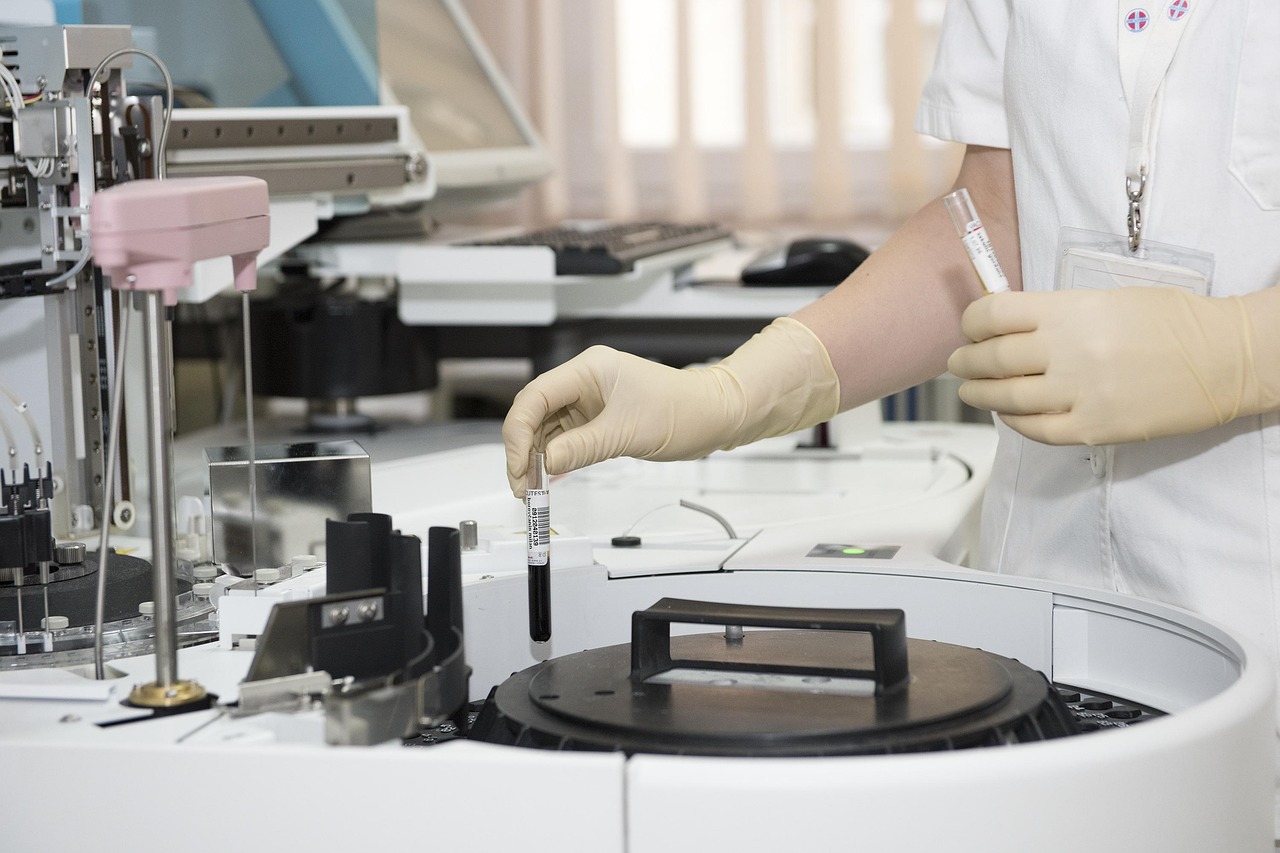
During a thyroid test, a healthcare professional will take a blood sample from your vein, typically through a needle. The sample is sent to a lab for analysis, where technicians measure the levels of T3, T4, and TSH.
Interpreting Your Results: Normal vs. Abnormal
Thyroid test results are evaluated in relation to reference ranges established by labs. Normal values vary slightly between institutions but generally fall within these parameters:
- T3: 85-190 ng/dL (4.7-10.5 pmol/L)
- T4: 4.6-12.0 mcg/dL (0.26-0.68 nmol/L)
- TSH: 0.37-4.2 mIU/L (1.3-15 mU/L)
Abnormal results may indicate thyroid dysfunction, requiring further evaluation and treatment.
Conclusion: Navigating Your Thyroid Test with Confidence
Understanding the science behind thyroid testing empowers you to approach your appointment with clarity. Fasting is generally not required for a thyroid test, and maintaining a normal diet can ensure accurate results. By following expert guidelines and preparing thoughtfully, you’ll be well on your way to obtaining reliable thyroid function information. Remember, always consult with your healthcare provider for personalized advice tailored to your unique needs.
FAQ
1. Can I eat before a morning thyroid test?
Yes, it’s generally fine to eat within a few hours (2-3 hours) of your test time. Choose a balanced meal rather than a large or sugary one to ensure optimal results.
2. How long should I fast if my doctor recommends it?
If fasting is advised, follow your healthcare provider’s specific instructions. Typically, this means abstaining from food and drink (except water) for 8-12 hours prior to the test.
3. What if I have a thyroid condition already? Should I still fast?
If you already have a thyroid condition, consult your doctor directly. They can provide tailored guidance based on your specific health status and treatment plan.
4. Can stress impact my thyroid test results?
Test anxiety is real and can temporarily affect hormone levels. To minimize stress, practice relaxation techniques like deep breathing or meditation before your appointment.
5. What should I do if my test results are abnormal?
Abnormal thyroid test results warrant further evaluation. Your healthcare provider will discuss the findings with you, explain any concerns, and recommend appropriate treatment options based on the diagnosis.