TL;DR
Ensure your thyroid test yields precise results by avoiding common pitfalls before the examination. This checklist guides you through preparations, from dietary adjustments to medication management, to optimize your thyroid function and interpret your test outcomes effectively.
Understanding Thyroid Tests: A Vital Health Check
A thyroid test, often involving measurements of thyroid-stimulating hormone (TSH), thyroxine (T4), and triiodothyronine (T3) levels, is a crucial tool for evaluating thyroid health. These hormones play a significant role in regulating metabolism, influencing everything from energy levels to body weight and heart rate. Accurate results are essential for an appropriate diagnosis and treatment plan.
Pre-Thyroid Test Checklist: What to Do (and Avoid)
1. Prepare Dietarily
Dietary choices can impact thyroid function. In the week leading up to your test, consider these adjustments:
- Increase Iodine Intake: Iodine is essential for thyroid hormone production. Include iodine-rich foods like seaweed, yogurt, and iodized salt in your diet.
- Go Easy on Goitrogens: Some plant compounds can interfere with thyroid function. Limit goitrogenic foods like broccoli, cauliflower, and soy products during this time.
- Stay Hydrated: Drink plenty of water to support overall bodily functions, including thyroid health.
2. Manage Medications
Certain medications may affect thyroid test results. Consult your healthcare provider before your test:
- Stop or Adjust Thyroid Medication: If you’re on thyroid medication, discuss with your doctor whether you should temporarily stop or adjust your dosage to ensure accurate readings.
- Avoid Antibiotics and Anti-Inflammatory Drugs: These medications can interfere with hormone levels, potentially skewing test results.
3. Avoid Stress and Intense Exercise
Stress and intense physical activity can elevate cortisol levels, affecting thyroid function:
- Manage Stress: Practice relaxation techniques like meditation or deep breathing to keep stress levels in check during the lead-up to your test.
- Limit Intense Workouts: Avoid extreme exercise routines close to your test date, as they might impact hormone balance temporarily.
4. Get Quality Sleep
Adequate sleep is vital for hormonal regulation:
- Maintain a Consistent Sleep Schedule: Aim for 7-9 hours of uninterrupted sleep each night in the week before your test.
5. Avoid Excessive Caffeine and Alcohol
These substances can influence hormone levels and test results:
- Limit Caffeine Intake: Cut back on coffee, tea, and energy drinks to avoid caffeine spikes that might affect TSH readings.
- Reduce or Avoid Alcohol: Alcohol consumption can interfere with thyroid function and medication absorption, so minimize or skip it before the test.
6. Don’t Skip Breakfast
A well-balanced breakfast ensures stable blood sugar levels, which are important for optimal hormone production:
- Eat a Nutritious Meal: Start your day with a meal that includes complex carbohydrates, lean proteins, and healthy fats to support steady energy levels and hormone balance.
7. Avoid New Supplements or Vitamins
New dietary supplements might contain ingredients that interact with thyroid hormones:
- Stick to Essential Nutrients: Focus on maintaining a balanced diet rather than introducing new supplements close to your test date.
What to Expect During and After the Test
Understanding the Procedure
During the test, a healthcare professional will typically:
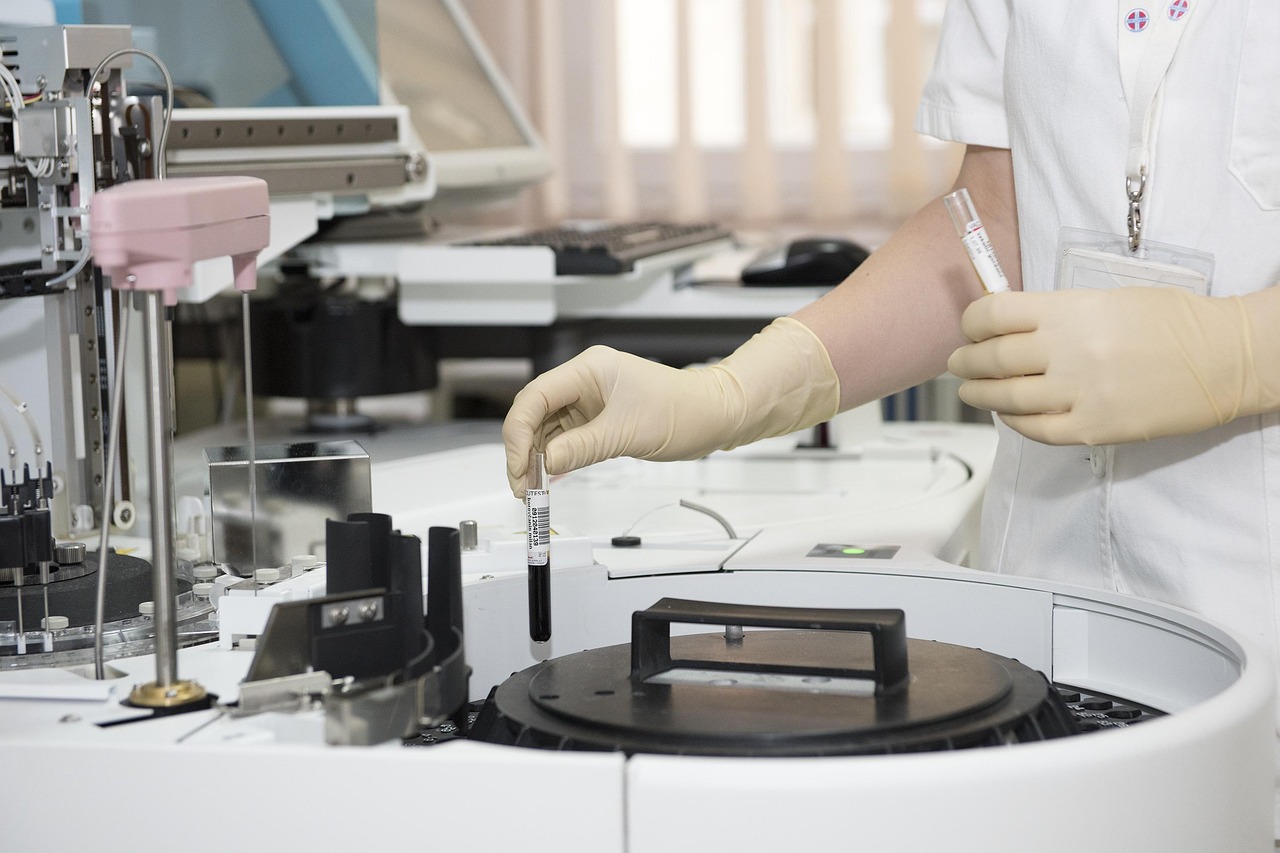
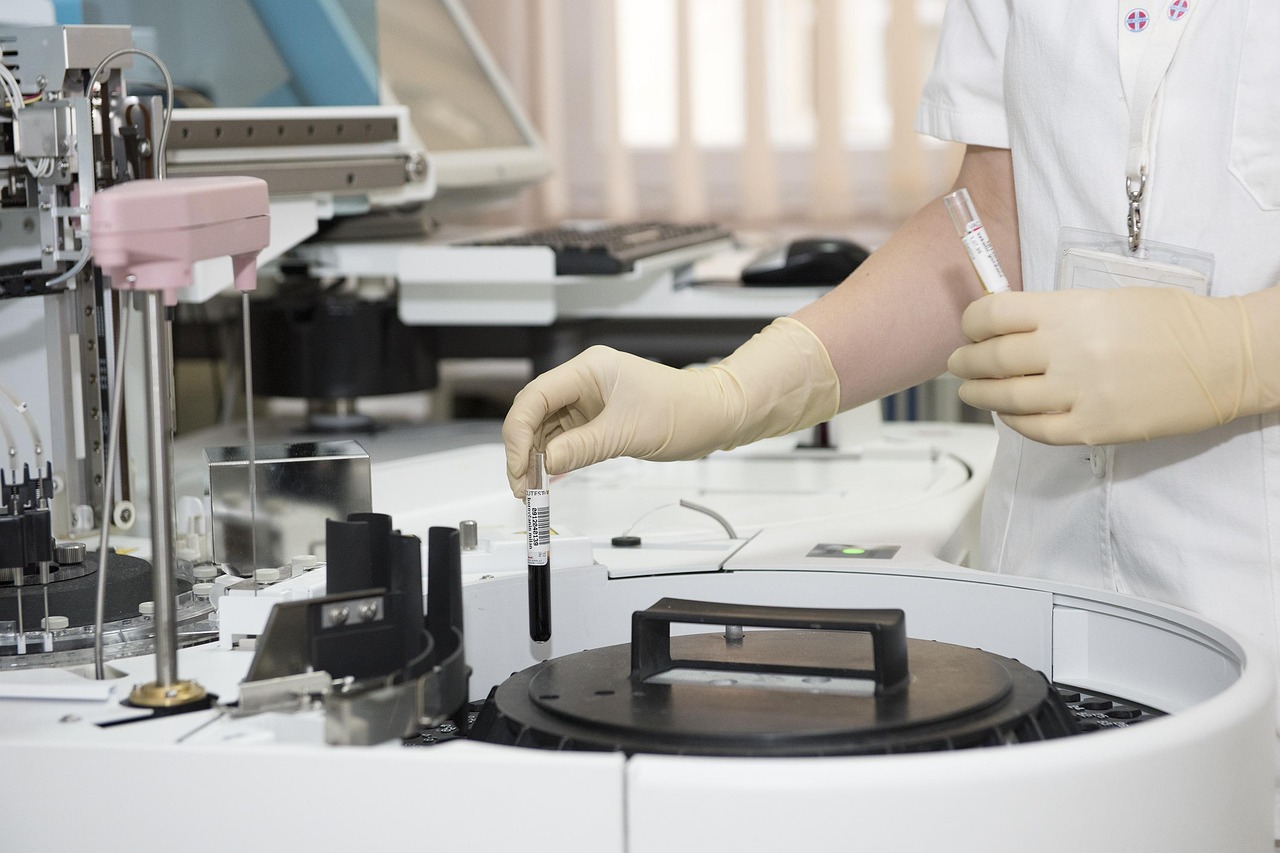
- Take a blood sample from your vein, usually in the morning after fasting.
- Send the sample to a lab for analysis.
Post-Test Considerations
After your thyroid test:
- Discuss Results with Your Doctor: Your healthcare provider will interpret the results and guide you on any necessary follow-ups or treatment options.
- Ask About Normal Range: Understand what constitutes a normal TSH, T4, and T3 range for your age and gender.
FAQ: Thyroid Test Preparation
Q: How long before my test should I start preparing?
A: Ideally, begin these preparations at least one week before your scheduled thyroid test to ensure significant changes in diet or lifestyle have time to impact your hormone levels.
Q: Are there any foods I should avoid post-test?
A: While dietary adjustments are important for accurate pre-test results, there’s typically no specific food restriction after the test. However, maintain a healthy, balanced diet to support overall thyroid health.
Q: Can stress of daily life affect my thyroid test results?
A: Daily stress might not significantly impact a single thyroid test. However, chronic stress can influence hormone levels over time, so managing stress consistently is beneficial for long-term thyroid health.
Q: What if I’m on thyroid medication? Should I stop taking it before the test?
A: Always consult your doctor about medication adjustments. They will guide you on whether to stop or adjust your dosage temporarily to ensure accurate test results. Never alter your medication without medical advice.
Conclusion
An accurate thyroid test relies on careful preparation to ensure reliable results. By following this comprehensive checklist, you can optimize your thyroid function and interpret your test outcomes with confidence. Remember, consistent lifestyle choices that support thyroid health are as important as the pre-test preparations for maintaining overall well-being.