TL;DR: Understanding whether fasting before a thyroid test is necessary and what to expect can help reduce anxiety and ensure accurate results. This guide covers the importance of thyroid tests, the role of fasting, preparing for the test, and decoding your results.
Introduction to Thyroid Tests
A thyroid test is a crucial tool used to diagnose thyroid disorders, such as hypothyroidism or hyperthyroidism. These conditions affect millions of people worldwide and can cause a wide range of symptoms, from fatigue and weight gain to anxiety and irregular heartbeats. Accurate diagnosis begins with understanding when and how to prepare for the test. One common question patients often ask is whether they should fast before a thyroid test.
Understanding Thyroid Function
Before delving into testing procedures, it’s helpful to grasp the role of the thyroid gland in your body. The thyroid is a small, butterfly-shaped organ located at the base of your neck. It plays a vital part in regulating metabolism by producing hormones that influence almost every cell in your body.
Two primary hormones produced by the thyroid are:
- T4 (Thyroxine): This hormone is converted into T3 (triiodothyronine), which is even more active and crucial for metabolic processes.
- T3 (Triiodothyronine): Directly influences how fast your body uses energy, controls protein synthesis, and affects heart rate and blood pressure.
Imbalances in these hormones can lead to thyroid disorders.
Why Fasting Matters (and When It Doesn’t)
Fasting before a thyroid test is sometimes recommended because certain foods and beverages can interfere with the accuracy of the results. Specifically, consuming food or caffeine within a specific timeframe before the test may alter your T3 and T4 levels, leading to false results.
When to Fast: Your healthcare provider will likely advise you to fast for 8-12 hours prior to the test. This means abstaining from all food and drink (except water) during this period.
When Fasting is Not Necessary: Generally, you don’t need to fast if your doctor is ordering a TSH (Thyroid Stimulating Hormone) test. The TSH test measures how well your thyroid gland is working without directly measuring hormone levels. Because TSH levels are not affected by recent food intake, fasting before this test is typically not required.
Preparing for Your Thyroid Test
Proper preparation can ensure your thyroid test results are accurate and helpful in guiding your treatment plan. Here are some key steps:
1. Understand the Types of Thyroid Tests
There are several types of thyroid tests, each designed to provide specific information about your thyroid function:
- T3 (Triiodothyronine) Test: Measures the amount of T3 hormone in your blood.
- T4 (Thyroxine) Test: Checks for T4 hormone levels.
- TSH (Thyroid Stimulating Hormone) Test: Evaluates how well your thyroid gland is working by measuring the amount of TSH in your blood.
- Antibody Tests: These detect antibodies that may be present if your immune system is attacking your thyroid (as in autoimmune thyroid disease).
2. Follow Your Doctor’s Instructions
Your healthcare provider will give you specific instructions on how to prepare for your test, including whether fasting is required and what medications (if any) you should temporarily stop taking. Always follow these instructions carefully.
3. Gather Necessary Information
Before your appointment, write down:
- Any symptoms you’re experiencing
- Medications or supplements you’re currently taking
- Questions you have for your doctor
Undergoing the Thyroid Test
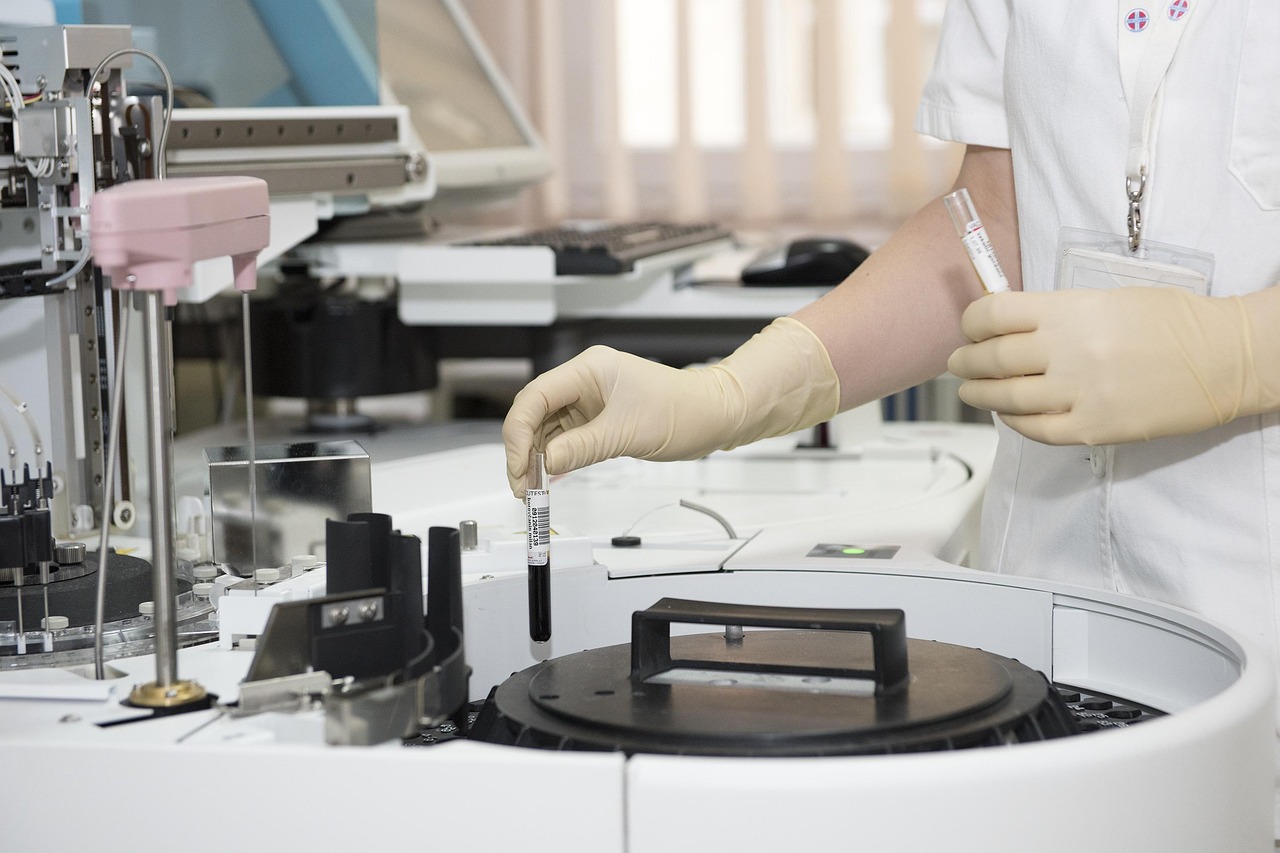
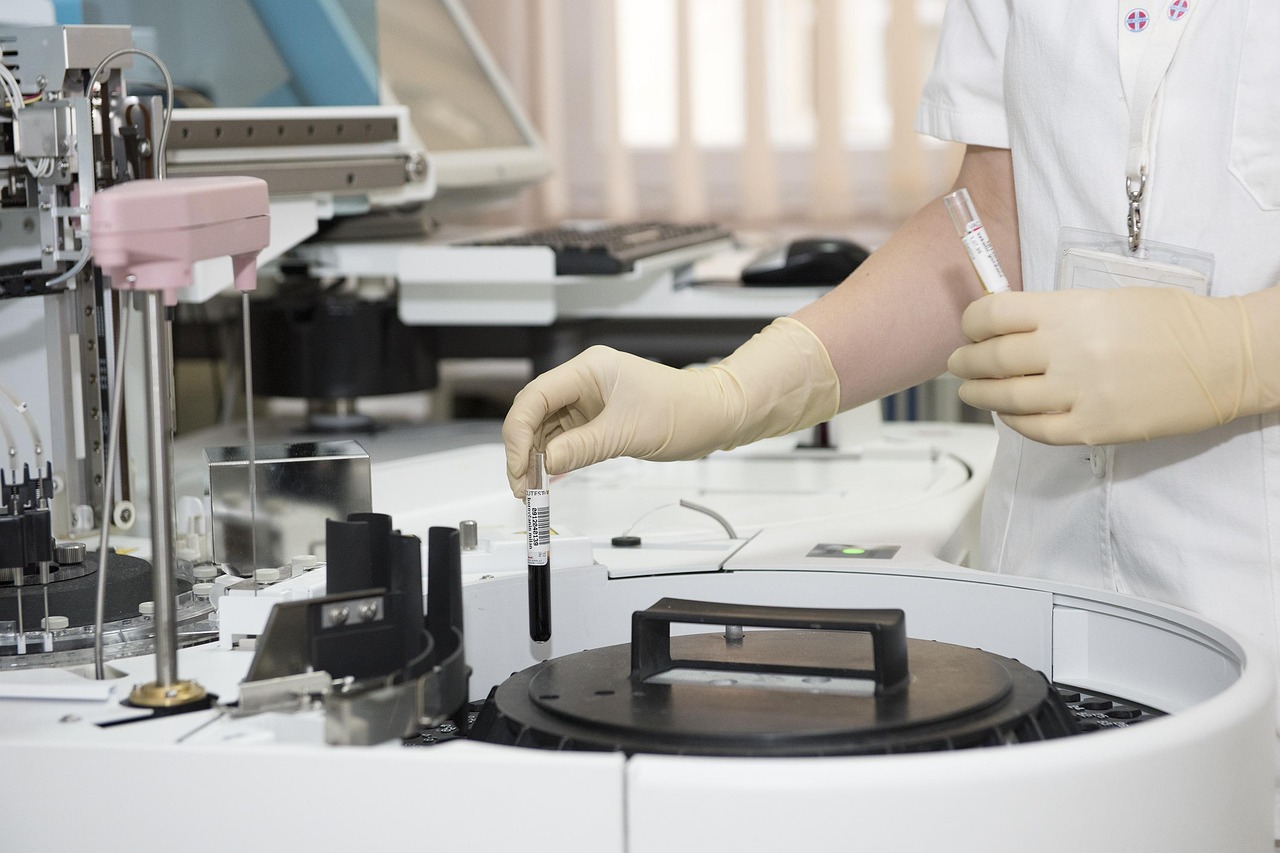
The actual test is usually a simple blood draw. A nurse will take a sample of your blood, which will be sent to a laboratory for analysis. You’ll typically receive your results within a few days, although turnaround time may vary depending on your location and lab.
Decoding Your Thyroid Test Results
Your thyroid test results will include measurements of T3, T4, and/or TSH levels. The specific ranges considered normal can vary slightly between labs, so your doctor will interpret these results in the context of your medical history and symptoms.
Here’s a general understanding of what different results might mean:
- Normal (e.g., TSH): Your thyroid gland is functioning normally.
- Elevated TSH: Your thyroid gland may not be producing enough hormones, indicating hypothyroidism.
- Low TSH: Your thyroid gland is overactive, suggesting hyperthyroidism.
- Abnormal T3 or T4 levels: Hormonal imbalances may point to various thyroid conditions.
Conclusion: Taking Control of Your Thyroid Health
Understanding how and when to prepare for a thyroid test empowers you to actively participate in managing your thyroid health. Remember, accurate diagnosis is crucial for effective treatment. If you have any concerns or questions about your thyroid function, consult with your healthcare provider. They can guide you through the process and help interpret your results.