TL;DR: Prepare for your thyroid test with our comprehensive checklist to ensure accurate results. We guide you through what to avoid, from certain foods and supplements to medications and stress factors, to optimize your thyroid function assessment.
Introduction
A thyroid test is a crucial step in diagnosing thyroid disorders such as hypothyroidism or hyperthyroidism. However, to get reliable results, it’s essential to understand what to avoid before taking the test. This checklist will help you navigate pre-test preparations, ensuring accurate and meaningful interpretations of your results. Let’s dive into the key areas to consider for an optimal thyroid test experience.
Understanding the Thyroid Test
What is a Thyroid Test?
A thyroid test, often referred to as a thyroid function test, measures the levels of specific hormones produced by your thyroid gland. These hormones regulate metabolism and influence various bodily functions. Common tests include TSH (Thyroid-Stimulating Hormone), T3 (Triiodothyronine), and T4 (Thyroxine) levels.
When to Get Tested?
Consult a healthcare professional if you experience any symptoms of thyroid dysfunction, such as:
- Fatigue or weakness
- Weight gain or loss
- Changes in heart rate
- Dry skin or hair
- Mood swings
- Memory problems
- Joint pain
- Menstrual irregularities
The Pre-Thyroid Test Checklist
To ensure the most accurate thyroid test results, avoid the following factors for at least 4-6 weeks prior to your appointment:
1. Medications and Supplements
-
Avoid medications that can affect thyroid hormone levels: Certain drugs, like beta-blockers (for anxiety or high blood pressure), some antidepressants, and certain diabetes medications, can interfere with test results. Discuss potential adjustments with your doctor if necessary.
-
Be cautious with supplements: Some herbs and supplements, such as iodine, selenium, and ashwagandha, can impact thyroid function. Stop taking them 4-6 weeks before testing, unless recommended by your healthcare provider.
2. Dietary Considerations
-
Avoid excessive iodine: Iodine is essential for thyroid hormone production. While a small amount is necessary, too much can skew test results. Limit consumption of seafood, iodized salt, and certain medications or supplements that contain iodine.
-
Don’t go on a crash diet: Rapid weight loss can temporarily suppress thyroid function. Aim for healthy eating habits rather than drastic measures before your test.
-
Maintain a balanced diet: Focus on whole foods like fruits, vegetables, lean proteins, and whole grains. This provides the nutrients your thyroid needs to function optimally.
3. Stress Management
High stress levels can negatively impact your thyroid gland’s ability to produce hormones consistently. Practice relaxation techniques such as yoga, meditation, or deep breathing exercises in the weeks leading up to your test. Prioritize sleep and seek support from loved ones during stressful periods.
4. Physical Activity
Regular exercise is generally beneficial for thyroid health. However, avoid excessive intense workouts close to your test date. Aim for moderate activity, like brisk walking or swimming, most days of the week.
5. Avoid Radiation Exposure
Radiation exposure can interfere with thyroid function. Avoid unnecessary medical scans or x-rays in the pre-test period. Inform healthcare providers about your upcoming thyroid test before any imaging procedures.
What to Expect During the Test
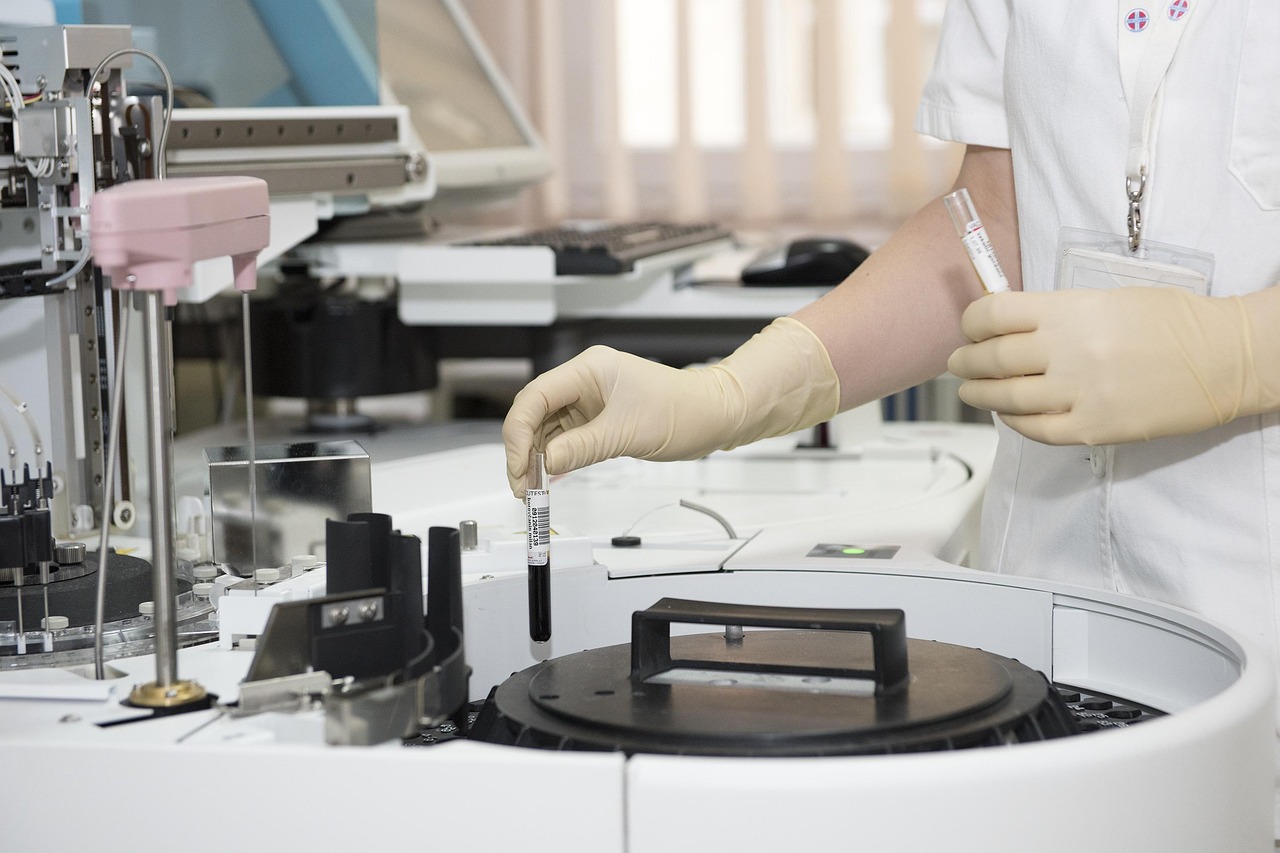
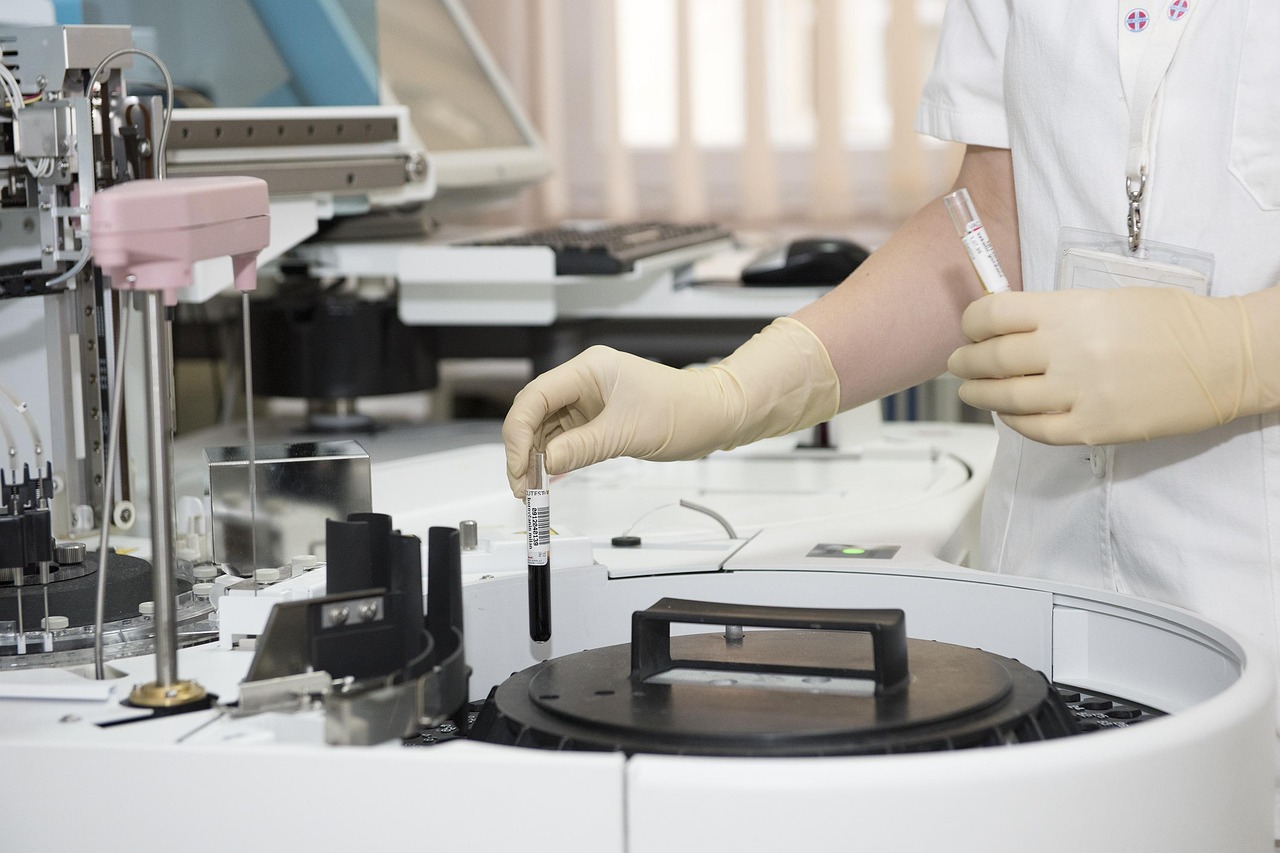
A typical thyroid test involves a simple blood draw. The sample is sent to a lab for analysis, and results are usually available within a few days. Your doctor will interpret these results in conjunction with your medical history and symptoms to determine whether further testing or treatment is needed.
Frequently Asked Questions (FAQs)
Q: Can I take my supplements before the test?
A: It’s best to stop taking any supplement that might affect thyroid hormone levels 4-6 weeks prior to testing, unless directed otherwise by your doctor.
Q: Will stress significantly impact my test results?
A: High stress levels can temporarily disrupt thyroid function. While it’s important to manage stress overall, try to minimize stressors in the week leading up to your test for more accurate results.
Q: Are there any foods I should avoid before a thyroid test?
A: Focus on a balanced diet rich in fruits, vegetables, lean proteins, and whole grains. Avoid excessive iodine from seafood or iodized salt.
Q: Can my period affect my test results?
A: Hormonal fluctuations during menstruation can slightly impact thyroid hormone levels. It’s best to schedule your test during a consistent phase of your cycle for more reliable results.
Conclusion
Following this pre-thyroid test checklist can significantly contribute to accurate and meaningful test results. By avoiding medications, supplements, dietary factors, stress, and radiation exposure in the weeks leading up to your test, you’ll ensure that your thyroid function is assessed as accurately as possible. Remember, always consult with your healthcare provider for personalized guidance.