TL;DR
A thyroid test is crucial for diagnosing thyroid disorders, but preparation is key to ensuring accurate results. This guide explores why your doctor might advise you to avoid certain activities and substances before a thyroid test, emphasizing the importance of optimal conditions for accurate diagnosis. We’ll delve into specific recommendations, common mistakes to avoid, and provide a FAQ section for clarity.
Understanding Thyroid Tests: Uncovering the Hormone Gland’s Secrets
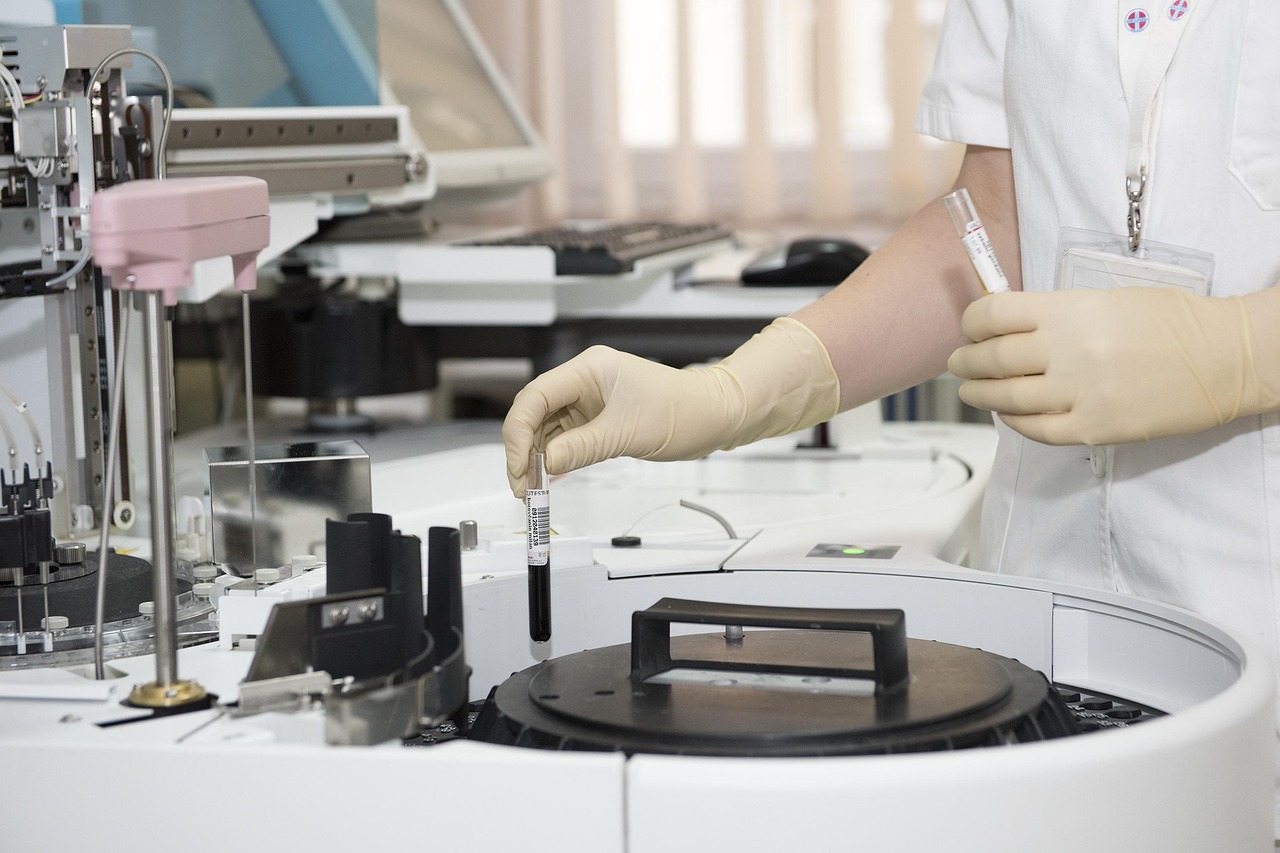
A thyroid test, also known as a thyroid function test or thyroid panel, is a set of blood tests designed to evaluate the health and activity of your thyroid gland. This gland, located at the base of your neck, plays a pivotal role in regulating metabolism by producing hormones that influence every cell in your body.
Given its widespread impact, accurate thyroid testing is essential for diagnosing conditions like hypothyroidism (underactive thyroid), hyperthyroidism (overactive thyroid), and thyroiditis (inflammation of the thyroid).
Why Preparation Matters: Your Doctor’s Concerns Before a Thyroid Test
Your doctor might advise specific preparations before a thyroid test to ensure that the results accurately reflect your thyroid’s current state. Here are some key reasons behind these recommendations:
1. Minimizing Stress and Cortisol Levels
Stress and cortisol, the body’s natural stress hormone, can temporarily suppress thyroid function. In the days leading up to your test, try to minimize stressful situations and consider incorporating relaxation techniques like deep breathing, meditation, or yoga into your routine.
2. Avoiding Certain Medications and Supplements
Some medications and supplements can interfere with thyroid testing results. Inform your doctor about any prescription drugs or dietary supplements you’re taking, especially those containing iodine, selenium, or iron. They may advise you to stop or reduce these temporarily to get more reliable test outcomes.
3. Refraining from Extreme Dieting or Fasting
Extreme dieting or fasting can alter your body’s hormone balance and affect thyroid function. It’s best to maintain a balanced diet and avoid extreme calorie restriction before the test. Your doctor might suggest continuing regular meal patterns for optimal thyroid health during this time.
4. Steering Clear of Smoking and Excessive Alcohol Consumption
Smoking and heavy alcohol intake can impact thyroid function and overall hormone levels. Quitting smoking and reducing alcohol consumption, if applicable, can help ensure more accurate test results. Your doctor may provide guidance on how to incorporate these changes into your routine.
Pre-Test Preparations: A Comprehensive Checklist
Here’s a detailed checklist of things to avoid or consider before your thyroid test:
-
Avoid strenuous exercise for 24-48 hours prior to the test. While regular exercise is beneficial, intense workouts might temporarily affect hormone levels.
-
Do not consume iodine supplements unless directed by your doctor. Iodine is essential for thyroid hormone production, but excessive intake can interfere with tests.
-
Refrain from taking certain medications that may impact thyroid function, such as antacids, beta-blockers, and nonsteroidal anti-inflammatory drugs (NSAIDs), for a few days before the test. Always consult your doctor about medication adjustments.
-
Maintain normal hydration levels. Avoid excessive water intake or dehydration, as these can influence test results.
-
Plan your meals to include a balanced diet rich in thyroid-supporting nutrients like selenium, zinc, and tyrosine. Consider consulting a nutritionist for personalized advice.
What to Expect During and After the Test
On the day of your test:
- Arrive at the clinic or laboratory with all necessary documents and identification.
- Inform the healthcare professional about any medications or supplements you’re taking, including over-the-counter drugs.
- Follow their instructions regarding food and drink consumption before the test.
After the test, you’ll typically receive results within a few days, along with explanations of what they mean. Your doctor will discuss any necessary follow-up tests or treatment options based on your individual case.
Conclusion: Taking Control of Your Thyroid Health
A thyroid test is a valuable tool for assessing and managing thyroid disorders. By understanding why certain preparations are essential before the test, you can actively contribute to accurate results. Remember, optimal preparation ensures that your thyroid’s natural state is accurately reflected in the test outcomes, leading to more effective healthcare decisions.
Frequently Asked Questions (FAQs)
-
How often should I get a thyroid test?
The need for a thyroid test depends on various factors, including age, symptoms, and underlying health conditions. Your doctor will determine the frequency based on your individual needs. Generally, if you have concerns about your thyroid or are experiencing symptoms of a thyroid disorder, a test might be recommended. -
Can stress affect my thyroid test results?
Absolutely. Chronic stress can lead to elevated cortisol levels, which may temporarily suppress thyroid function. Minimizing stressful situations and adopting relaxation techniques before the test can help ensure more accurate results. -
Will fasting affect my thyroid test?
Fasting for an extended period can impact hormone levels, including those produced by the thyroid gland. It’s best to maintain regular meal patterns and avoid extreme fasting before a thyroid test. -
Are there any foods I should avoid before a thyroid test?
While there are no specific foods to avoid, maintaining a balanced diet rich in thyroid-supporting nutrients is beneficial. Limit intake of goitrogenic foods (e.g., raw cabbage, broccoli, and cauliflower) as they can interfere with thyroid hormone production. -
What happens if I don’t follow my doctor’s pre-test instructions?
Following your doctor’s recommendations is crucial for accurate test results. If you fail to adhere to the prescribed preparations, it may impact the reliability of the test outcomes. Your doctor will interpret the results accordingly and provide appropriate guidance or alternative tests if needed.