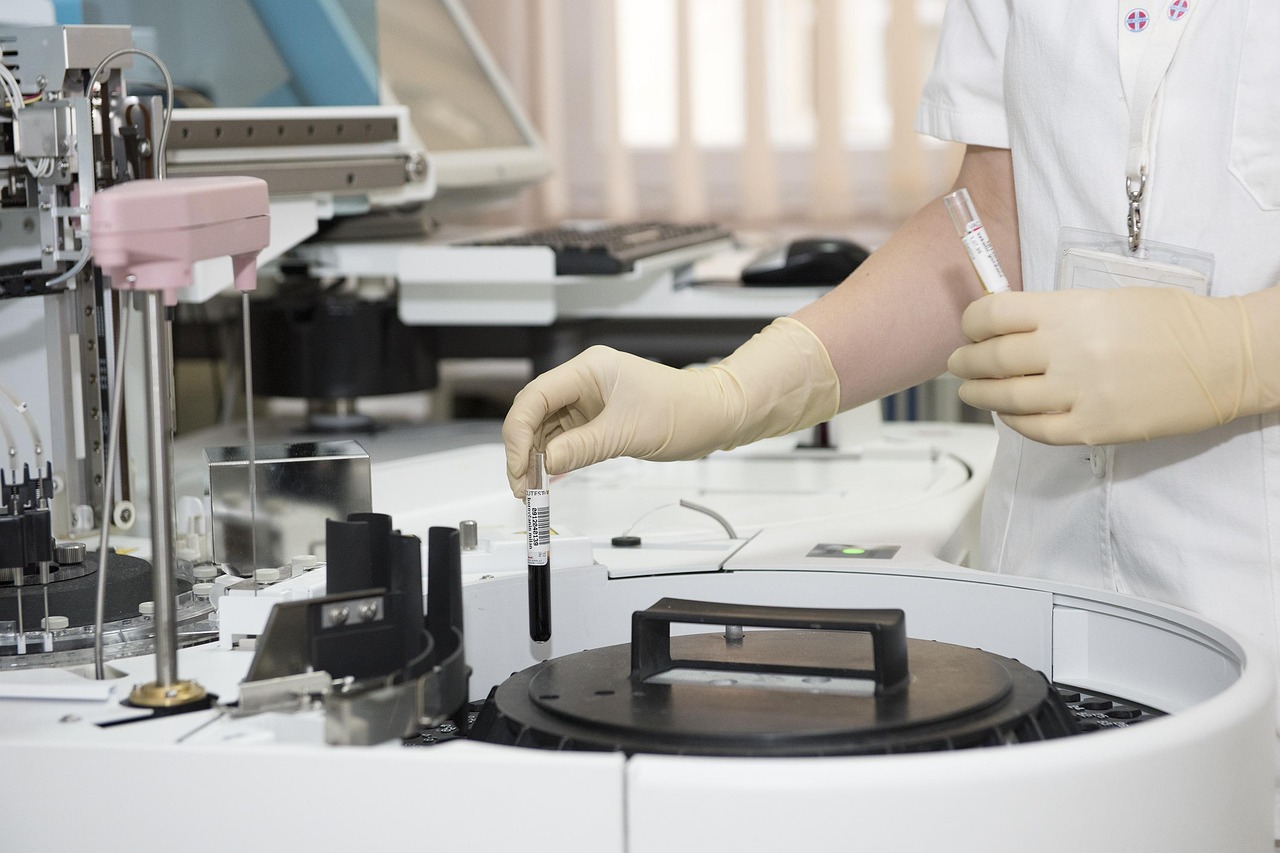
TL;DR: Fasting before a thyroid test might seem like a straightforward way to ensure accurate results, but it’s not as simple as it seems. This article explores the necessity of fasting for thyroid tests, potential impacts on test accuracy, and best practices for preparing for your appointment to ensure reliable results.
Understanding Thyroid Tests and Fasting
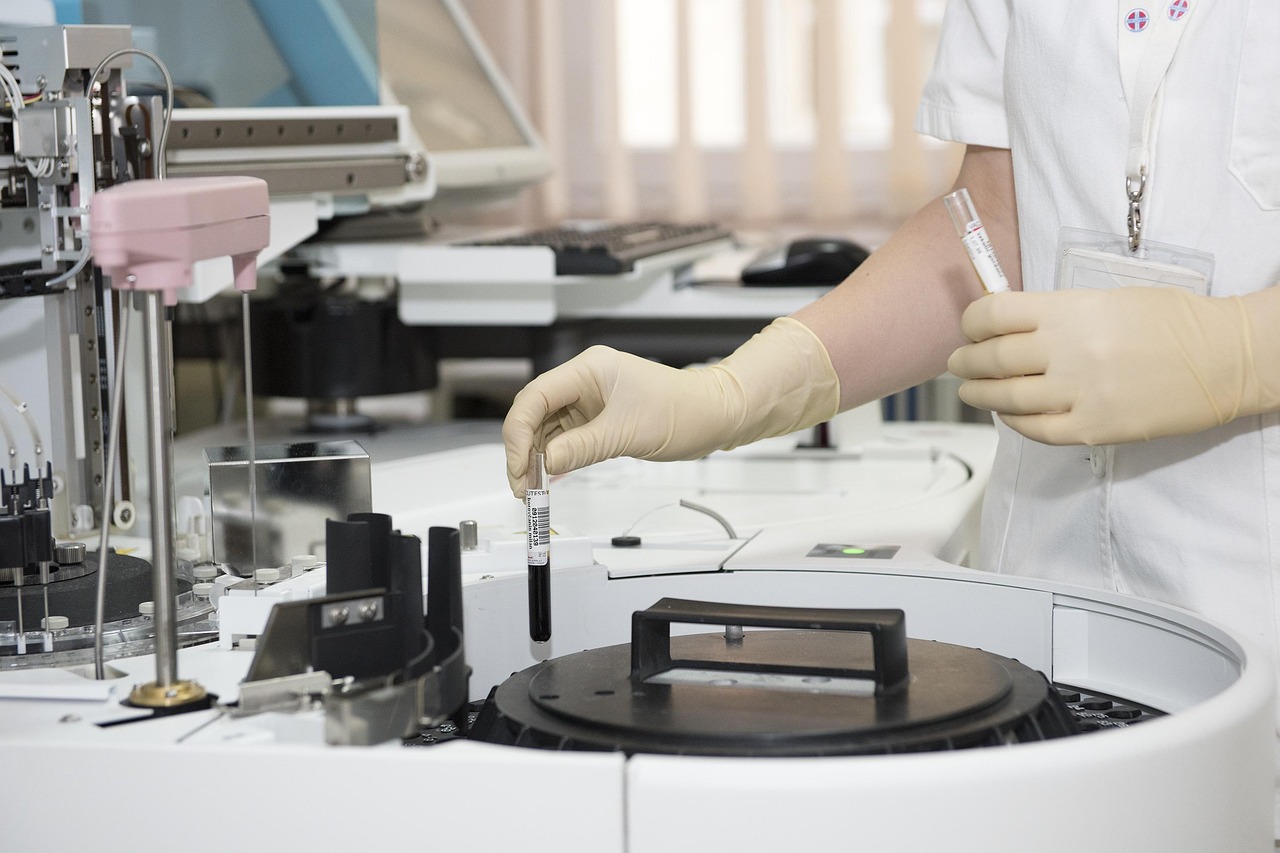
A thyroid test is a crucial diagnostic tool used to evaluate the function of your thyroid gland, which plays a vital role in regulating metabolism. These tests often measure levels of thyroid-stimulating hormone (TSH), triiodothyronine (T3), and thyroxine (T4). While fasting isn’ universally required before these tests, certain guidelines must be followed to ensure accurate results.
Why Fasting Matters for Thyroid Health
Fasting can impact your body’s hormonal balance, particularly in relation to the thyroid. When you fast, your body releases cortisol and increases TSH levels as part of its natural stress response. These changes could potentially skew the results of a thyroid test.
When is Fasting Necessary for a Thyroid Test?
The need for fasting before a thyroid test depends on the specific type of test being performed:
- Blood Tests: For blood tests measuring TSH, T3, and T4 levels, fasting is typically not required.
- Radioactive Iodine Uptake Test (RAIU): This test involves ingesting a small amount of radioactive iodine to assess thyroid function. Fasting for at least 2-4 hours before the test is generally recommended to ensure accurate results.
Preparing for Your Thyroid Test Without Fasting
Since fasting isn’t always necessary, it’s essential to understand other ways to prepare for your thyroid test. Here are some best practices:
- Avoid Certain Foods Before Testing: While not strictly a fasting requirement, certain foods can interfere with thyroid tests. For at least 24 hours before the test, avoid eating foods high in iodine, such as seaweed supplements, kelp, and iodized salt.
- Stay Hydrated: Drink plenty of water to ensure your body functions optimally during the test.
- Get Enough Sleep: Aim for a full night’s rest before your test as sleep deprivation can impact hormone levels.
- Schedule Around Meal Times: If possible, schedule your test in the morning before breakfast. Avoid eating or drinking anything (except water) for the recommended time period before the test.
How Fasting Can Impact Thyroid Test Results
Fasting can lead to:
- Elevated TSH Levels: As mentioned, fasting increases TSH levels due to the body’s natural stress response. This could make it appear as if your thyroid gland is not producing enough hormone, even when it is functioning normally.
- Inaccurate Hormone Readings: Changes in cortisol and other hormones caused by fasting can distort the accuracy of T3 and T4 levels, leading to misinterpretation of your test results.
Special Considerations for Specific Thyroid Conditions
If you have a thyroid condition:
- Hypothyroidism: People with hypothyroidism (underactive thyroid) may be advised to fast before a RAIU test since they might have elevated TSH levels at rest. Always follow your doctor’s specific instructions.
- Hyperthyroidism: For individuals with hyperthyroidism (overactive thyroid), fasting is generally not necessary for blood tests measuring TSH, T3, and T4.
FAQ: Thyroid Test Fasting
1. Do I need to stop taking my thyroid medication before the test?
No, continue taking your thyroid medication as prescribed by your doctor. However, discuss any changes in testing protocols with your healthcare provider.
2. How long do I have to fast for a RAIU test?
You should fast for at least 2-4 hours prior to a RAIU test, depending on the specific protocol of your healthcare facility.
3. Can eating fruits or vegetables interfere with thyroid tests?
While fruits and vegetables are generally safe, avoid consuming large quantities right before testing, as they can contain small amounts of iodine that might impact results.
Conclusion: Getting It Right for Accurate Results
Understanding the appropriateness of fasting before a thyroid test is essential for ensuring accurate results. While fasting may be necessary for some tests like RAIU, it’s not universally required for blood tests measuring TSH, T3, and T4 levels. Following your healthcare provider’s specific instructions and taking simple precautions like avoiding iodine-rich foods beforehand can significantly contribute to reliable test outcomes. Always consult with your doctor if you have any doubts or concerns about preparing for your thyroid test.