TL;DR:
Before undergoing a thyroid test, review this comprehensive checklist to understand what to avoid and optimize your results. This guide covers pre-test preparations, common mistakes to steer clear of, and essential steps for accurate thyroid function assessment.
Introduction to Thyroid Testing
A thyroid test is a crucial diagnostic tool used to evaluate the health and functionality of your thyroid gland. It plays a pivotal role in detecting thyroid disorders such as hypothyroidism, hyperthyroidism, or autoimmune conditions like Hashimoto’s thyroiditis. This article delves into an extensive pre-test checklist designed to maximize the accuracy of your thyroid test results. By following these guidelines, you can ensure that your thyroid health assessment is reliable and informative.
Why Is a Thyroid Test Important?
Thyroid hormones are responsible for regulating various metabolic processes in your body, influencing energy levels, weight management, heart rate, and even mood. A thyroid test is essential when symptoms or risk factors suggest an underlying thyroid condition. Accurate testing helps healthcare professionals:
- Diagnose thyroid disorders early on.
- Determine the severity of the condition.
- Personalize treatment plans effectively.
The Pre-Thyroid Test Checklist
1. Understand When to Get Tested
Consult a healthcare professional if you experience any of the following symptoms:
- Fatigue or excessive sleepiness
- Weight gain despite a healthy diet and exercise
- Dry skin, hair loss, or brittle nails
- Constipation or irregular menstrual cycles in women
- Increased heart rate or palpitations
- Muscle weakness or joint pain
- Sensitivity to cold or heat
2. Preparation Before the Test
Timing Your Test:
- Schedule your thyroid test early in the day, as hormone levels naturally fluctuate throughout the day.
- Avoid having physical exertion or intense workouts close to the testing time.
Nutrition and Supplements:
- Dietary Considerations: For 24-48 hours before the test, avoid foods high in iodine, such as seaweed, kelp, or iodized salt. Iodine can interfere with thyroid function tests.
- Supplements to Skip: Discontinue any supplements containing iodine, selenium, or vitamin C for at least a week prior to testing. These nutrients may impact test results.
3. Avoid Common Mistakes
Stress and Illness:
- Try to avoid significant stress or illness close to the test date. Stress hormones can temporarily affect thyroid function, and acute illnesses may lead to elevated or suppressed test results.
Medications:
- Inform your healthcare provider about all medications you are taking, as some drugs can interfere with thyroid tests. This includes prescription medicines, over-the-counter drugs, and herbal supplements.
Recent Tests:
- Ensure that your doctor is aware of recent blood tests or other diagnostic procedures, as certain tests can impact thyroid hormone levels.
4. Collection and Handling of Samples
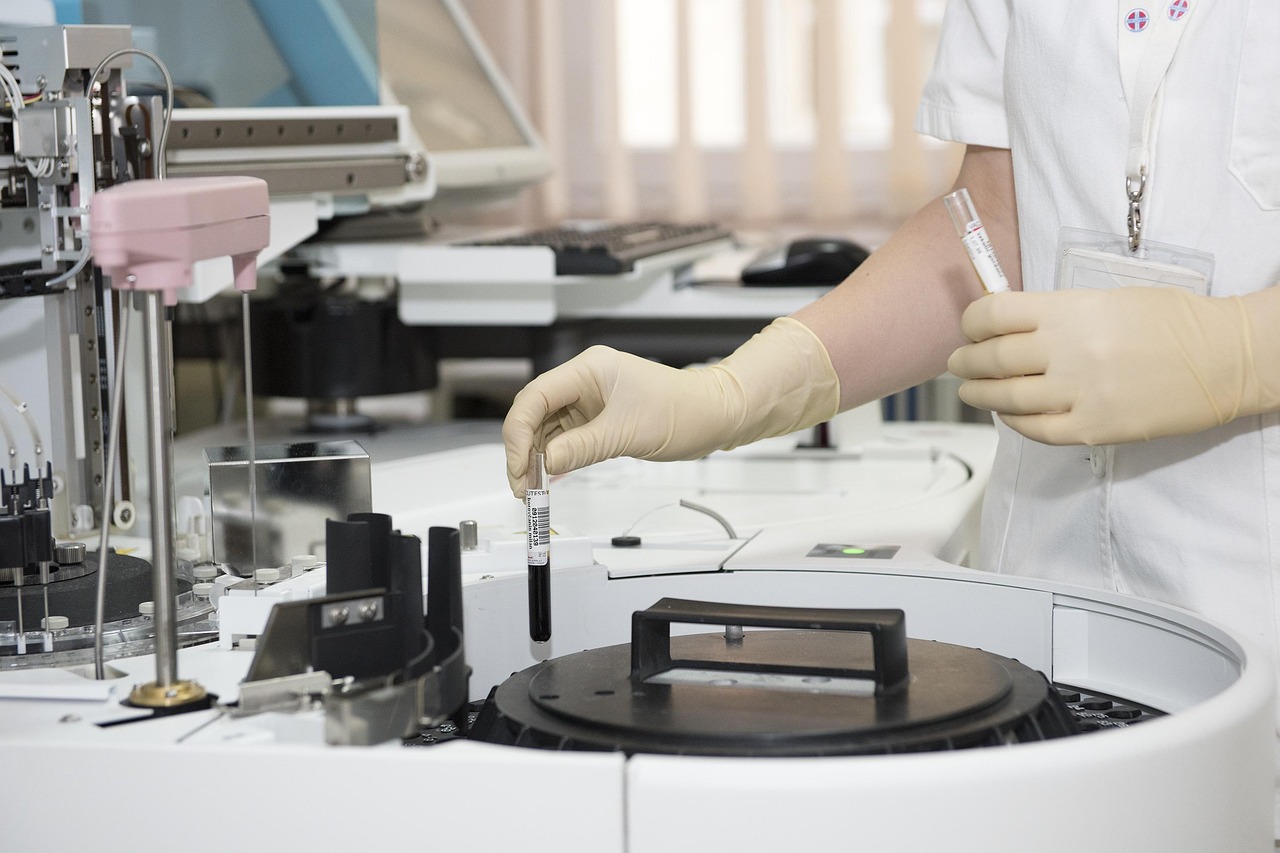
- Follow the instructions provided by your healthcare provider for sample collection. Typically, a blood sample will be taken from a vein in your arm.
- Some tests may require fasting, so clarify this with your doctor and adhere to their guidelines.
- Handle the test kit carefully and store it according to the recommended conditions (if applicable).
5. Post-Test Considerations
After the thyroid test, you can generally resume your normal activities. However, be mindful of the following:
- Stay hydrated and maintain a balanced diet, as proper nutrition supports thyroid health.
- If you experience any unusual symptoms or have concerns about your test results, consult your healthcare provider for further evaluation.
Interpretation of Thyroid Test Results
Thyroid tests typically measure TSH (thyroid-stimulating hormone), T3 (triiodothyronine), and T4 (tyroxine) levels in the blood. Normal ranges vary slightly between labs, but generally:
- TSH: 0.4–4.0 mIU/L (milliinternational units per liter)
- T3: 270–610 ng/dL (nanograms per deciliter)
- T4: 4.5–13.0 mcg/dL (micrograms per deciliter)
Your doctor will interpret these results in the context of your symptoms, medical history, and other relevant tests. They will discuss any abnormalities and recommend appropriate follow-up or treatment options.
Frequently Asked Questions (FAQs)
-
Can stress affect my thyroid test results?
Yes, chronic stress can impact thyroid function. It’s important to manage stress levels before and after the test for accurate results. -
Do I need to fast before a thyroid test?
Fasting is usually required for certain thyroid tests, especially those measuring TSH. Your doctor will provide specific instructions regarding fasting. -
Can vitamin D affect thyroid hormone levels?
Vitamin D deficiency has been linked to thyroid disorders. Optimizing your vitamin D levels can be beneficial for overall thyroid health. -
What if I have a recent history of radioactive iodine treatment?
Inform your healthcare provider about any recent iodine-related treatments, as they may interfere with thyroid test results. -
How often should I get checked for thyroid disorders?
The frequency depends on your risk factors and symptoms. Your doctor will determine the appropriate testing schedule based on individual needs.
Conclusion
Undergoing a thyroid test is an essential step in assessing thyroid health, but ensuring accurate results requires careful preparation. By following this comprehensive pre-test checklist, you can maximize the reliability of your thyroid test. Remember, optimal thyroid function is crucial for overall well-being, and early detection of any issues allows for timely and effective management.