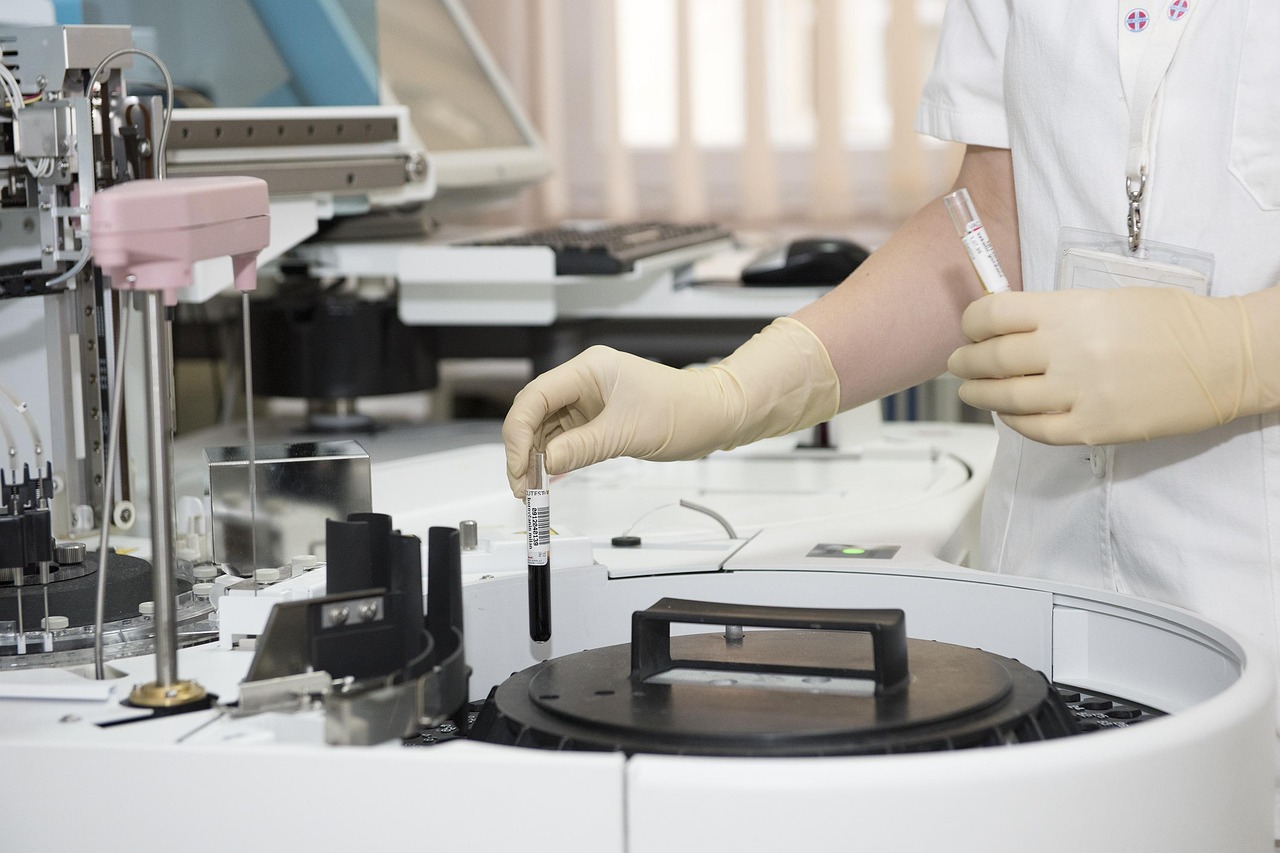
TL;DR: Preparing for a thyroid test is crucial for accurate results. This article outlines 10 things you should never do before getting a thyroid test to ensure your results are reliable and lead to proper diagnosis and treatment.
Thyroid Test: Unlocking the Secrets of Your Metabolism
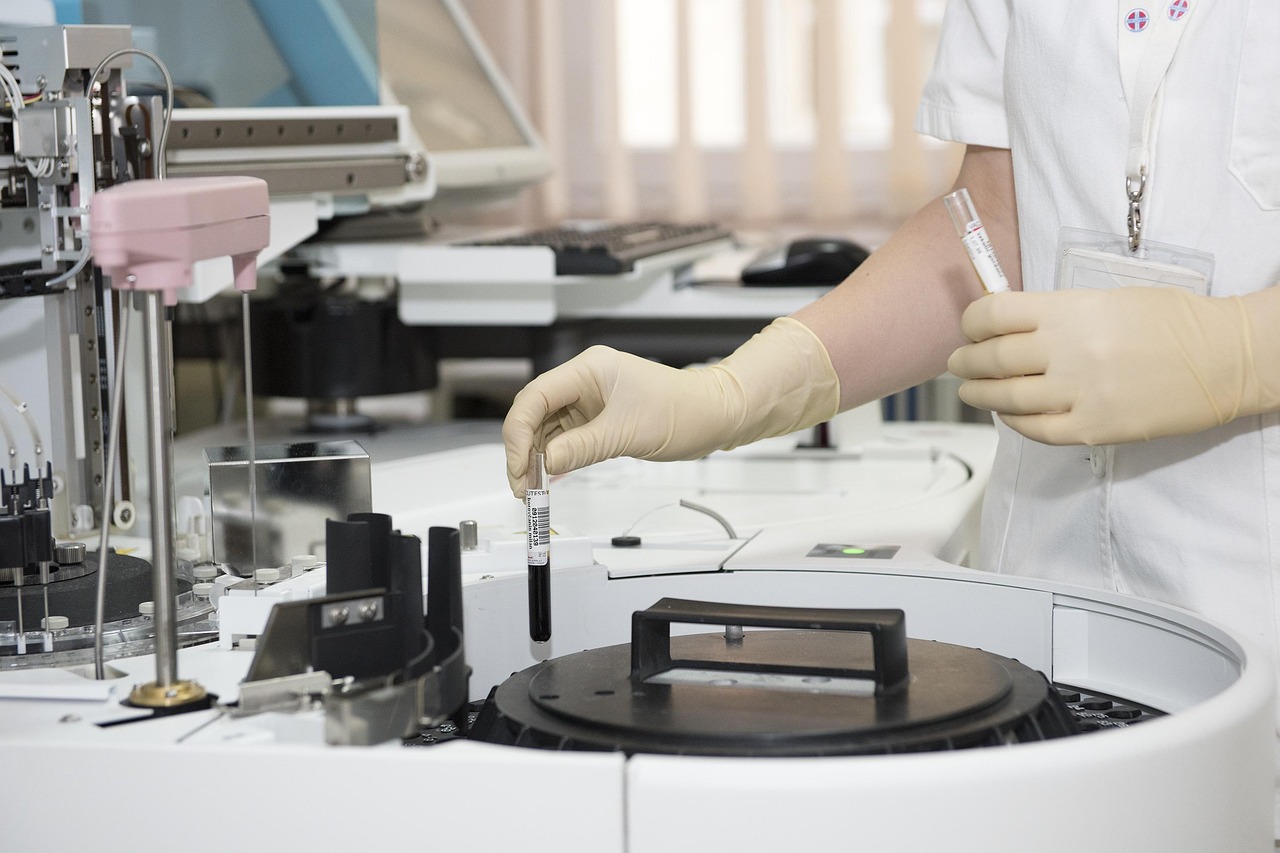
A thyroid test is a vital tool in evaluating your thyroid function, playing a key role in understanding your overall health and well-being. It helps detect thyroid disorders like hypothyroidism or hyperthyroidism which can significantly impact your energy levels, weight, mood, and more. However, to ensure the accuracy of your results, it’s crucial to avoid certain actions before taking the test. This article explores ten things you should never do before getting a thyroid test for optimal performance.
10 Things You Should Never Do Before a Thyroid Test
1. Don’t Skip Meals or Fast Unsupported
Fasting, especially for extended periods, can interfere with your thyroid hormone levels. Your thyroid relies on energy from food to function optimally. When you skip meals or fast, the body may enter a "famine response," slowing down metabolism and potentially altering thyroxine (T4) and triiodothyronine (T3) levels. Aim for a balanced meal containing protein, healthy fats, and carbohydrates 2-3 hours before your test to ensure accurate results.
2. Avoid Excessive Caffeine Intake
Caffeine stimulates the nervous system and can temporarily boost metabolism. However, excessive caffeine consumption close to your test time can create a false positive result, indicating hyperthyroidism (an overactive thyroid) when it’s actually within normal range. Limit caffeine intake to moderate levels and avoid consuming coffee, tea, or energy drinks 6-8 hours before testing.
3. Don’t Take Supplements or Medications Without Consulting Your Doctor
Some supplements, like iodine supplements, can interfere with thyroid function tests. Similarly, certain medications (including antibiotics, antacids, and some heartburn drugs) may alter thyroperoxidase (TPO) antibody levels if taken close to the test. Always consult your doctor about any supplements or medications you’re taking before scheduling your thyroid test.
4. Avoid Strenuous Exercise Immediately Before Testing
Intense physical activity can temporarily elevate thyroid hormones. This may lead to a false reading on your test results. Try to schedule your thyroid test when you haven’t engaged in strenuous exercise for at least 24 hours beforehand. Light, moderate-intensity workouts are fine but avoid anything that leaves you visibly exhausted.
5. Don’t Take Stress to New Heights
Chronic stress can disrupt your hypothalamic-pituitary-thyroid (HPT) axis, the communication network that regulates thyroid function. When stressed, cortisol levels rise, which in turn can suppress thyroxine production. Aim for a calm state of mind before taking your test for more reliable results. Techniques like meditation, deep breathing exercises, or yoga can help reduce stress levels.
6. Avoid Smoking and Alcohol Consumption
Both smoking and excessive alcohol intake can negatively impact thyroid function. Nicotine can interfere with iodine uptake by the thyroid gland, while alcohol can disrupt hormone synthesis and release. Avoid these substances for at least 24 hours before your test to ensure accurate results.
7. Don’t Disregard Recent Weight Loss or Gain
Rapid weight loss or gain can affect thyroperoxidase (TPO) antibodies and TSH levels, the hormone that regulates thyroid activity. If you’ve experienced significant changes in body weight recently, consult your doctor before proceeding with the test. They may suggest rescheduling to obtain more accurate results.
8. Don’t Wear Tight Jewelry or Clothing
Certain types of jewelry or clothing can interfere with the collection of blood samples. Avoid tight necklaces, bracelets, or garments that could restrict access to veins. This ensures easy and accurate drawing of blood for your test.
9. Don’t Ignore Underlying Health Conditions
If you have a known thyroid condition or other health issues, be sure to inform your doctor. They may need to adjust medication dosages or recommend specific preparations before the test to ensure optimal results.
10. Never Alter Your Medication Routine Without Consulting Your Doctor
If you take medications for thyroid conditions, don’t stop taking them or change the dosage without consulting your healthcare provider. Doing so could lead to inaccurate test results and improper diagnosis.
FAQ
-
How often should I get a thyroid test?
The need for regular thyroid testing depends on your age, medical history, and symptoms. Your doctor may recommend testing every year if you have a family history of thyroid disease or are at risk for developing it.
-
Can stress affect my thyroid test results?
Yes, chronic stress can negatively impact thyroid function by disrupting the HPT axis and potentially leading to false test results. It’s important to manage stress levels before taking a thyroid test.
-
What if I think I’ve already been exposed to environmental toxins that might affect my thyroid?
Inform your doctor about any recent exposures, as some environmental toxins can impact thyroid function. They may recommend specific tests or adjustments to account for these factors.
-
Will exercise affect my thyroid test results?
Intense exercise close to the test time may temporarily elevate thyroid hormones, potentially leading to false readings. Try to schedule your test when you haven’t engaged in strenuous exercise for at least 24 hours.
-
Can I take over-the-counter medications before a thyroid test?
Some over-the-counter drugs can interfere with thyroid tests. Always consult your doctor about any medications (including supplements) you’re taking before scheduling your test.
Conclusion
A thyroid test is a valuable tool for maintaining optimal health and well-being. By avoiding these common pitfalls before the test, you ensure that your results are accurate and provide valuable information for your healthcare provider to make informed decisions about your treatment. Remember: proper preparation leads to better diagnosis and effective management of thyroid conditions.