TL;DR: Getting a thyroid test can be a crucial step in managing your health, but there are several things you should avoid before the appointment to ensure accurate results. This article guides you through 10 key actions to steer clear of, empowering you to prepare optimally for an effective thyroid test.
Thyroid Test: Unraveling Hormonal Balance
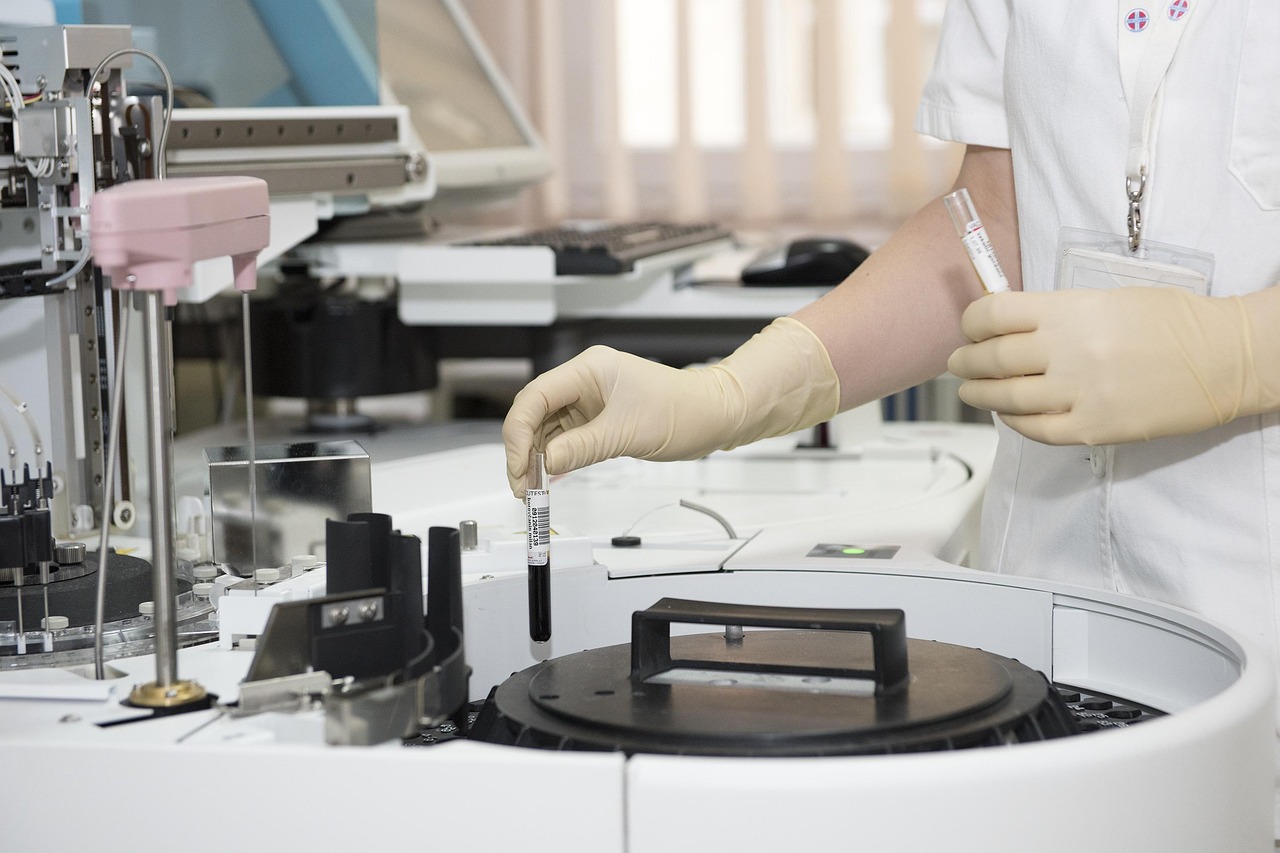
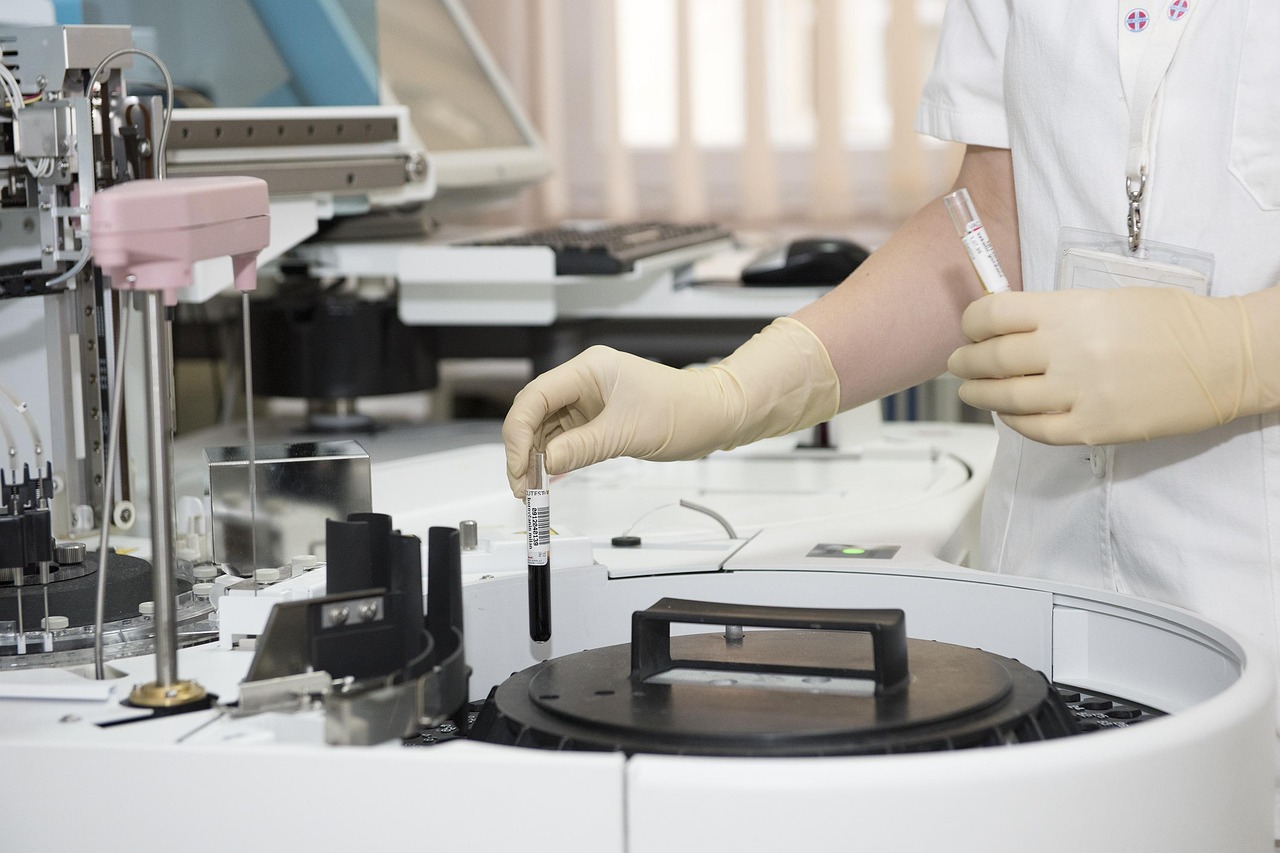
A thyroid test is a diagnostic procedure used to evaluate the function of your thyroid gland, a small butterfly-shaped organ located at the base of your neck. It plays a pivotal role in regulating metabolism by producing hormones that influence almost every cell in your body.
When something goes awry with your thyroid, it can lead to a range of symptoms, including fatigue, weight fluctuations, dry skin, and changes in mood or energy levels. A thyroid test is essential for pinpointing whether you have a thyroid disorder such as hypothyroidism (underactive thyroid) or hyperthyroidism (overactive thyroid).
10 Mistakes to Avoid Before Your Thyroid Test
To ensure that your thyroid test provides accurate and reliable results, it’s important to avoid certain actions leading up to the exam. Here are ten things you should never do before getting a thyroid test:
1. Don’t Skip Meals:
Eating a balanced meal containing carbohydrates, proteins, and healthy fats within a few hours of your test is crucial. Fasting can lead to elevated cortisol levels, which can interfere with the accuracy of your results. Aim for a meal that’s similar in size and composition to your typical breakfast or lunch.
2. Avoid Excessive Caffeine:
Caffeine can stimulate your thyroid and temporarily raise your hormone levels. Avoid consuming large amounts of coffee, tea, energy drinks, or any caffeinated beverages 24 hours before your test. A moderate intake (up to 400 mg daily) is generally considered safe, but it’s best to err on the side of caution.
3. Steer Clear of Stressful Situations:
Stress hormones like cortisol can impact your thyroid function. Aim to avoid major stressors or emotional turmoil in the days leading up to your test. Practice relaxation techniques like deep breathing, meditation, or yoga if stress is a regular part of your life.
4. Don’t Take Any New Supplements Without Consulting Your Doctor:
Certain supplements, including vitamins A, C, D, and E, as well as minerals like selenium, can interact with thyroid hormones. Inform your doctor about any supplements you’re taking to avoid potential interference with test results. They may advise you to stop or adjust dosages temporarily.
5. Avoid Intense Exercise:
While regular exercise is beneficial for overall health, intense physical activity close to your test appointment can elevate your thyroid hormones temporarily. Aim for a moderate level of activity in the days preceding the test.
6. Limit Exposure to Secondhand Smoke:
Research suggests that exposure to secondhand smoke may affect thyroid function. If possible, avoid environments with significant cigarette smoke in the time leading up to your test.
7. Avoid Extreme Temperatures:
Getting too hot or cold right before the test can cause artificial fluctuations in hormone levels. Dress comfortably in layers and aim for a temperate environment both before and during the appointment.
8. Don’t Take Medications That Affect Thyroid Function Without Consulting Your Doctor:
Some medications, including beta-blockers and certain antidepressants, can influence thyroid hormone levels. Always inform your doctor about any medications you’re taking, and they will advise you on whether to adjust or hold them temporarily based on your test purpose.
9. Don’t Self-Diagnose:
While it’s helpful to be informed about thyroid health, self-diagnosis can lead to unnecessary anxiety. Don’t rely solely on internet research; consult with a healthcare professional who can provide personalized guidance and interpret your test results accurately.
10. Prepare Questions for Your Doctor:
Don’t go into your appointment empty-handed! Prepare a list of questions about the test procedure, potential side effects, what to expect from the results, and any follow-up appointments or treatments that might be necessary. Active participation in your healthcare is key.
Understanding Thyroid Test Results
After your test, your doctor will receive the results, which typically measure two main thyroid hormones: TSH (Thyroid Stimulating Hormone) and either T3 or T4 (triiodothyronine or thyroxine).
- TSH: This hormone is produced by the pituitary gland in the brain and acts as a signal to the thyroid gland, telling it how much thyroid hormone to make.
- T3 and T4: These are the active thyroid hormones that regulate metabolism.
Based on your results, your doctor will be able to determine whether your thyroid is functioning optimally or if further evaluation is needed.
Conclusion:
A thyroid test is a valuable tool for assessing your thyroid health. By understanding what to avoid beforehand and following your doctor’s instructions, you can ensure that your test results are accurate and lead to the best possible care. Remember, proactive steps like these can make a significant difference in managing your thyroid health and overall well-being.