TL;DR
A thyroid test is crucial for diagnosing thyroid disorders, but proper preparation is essential to ensure accurate results. This article explores why your doctor might advise you to avoid certain substances and activities before a thyroid test, emphasizing the impact on test accuracy. We’ll guide you through pre-test considerations, dispel common myths, and provide insights into what to expect during and after the procedure.
Why Avoid Certain Things Before a Thyroid Test?
A thyroid test measures the levels of thyroid hormones (T3 and T4) and thyroxine-stimulating hormone (TSH) in your blood, providing vital information about your thyroid’s function. To ensure these tests are reliable, your doctor may recommend specific preparations to minimize potential interference. Here’s why some adjustments are necessary:
1. Avoiding Interfering Medications
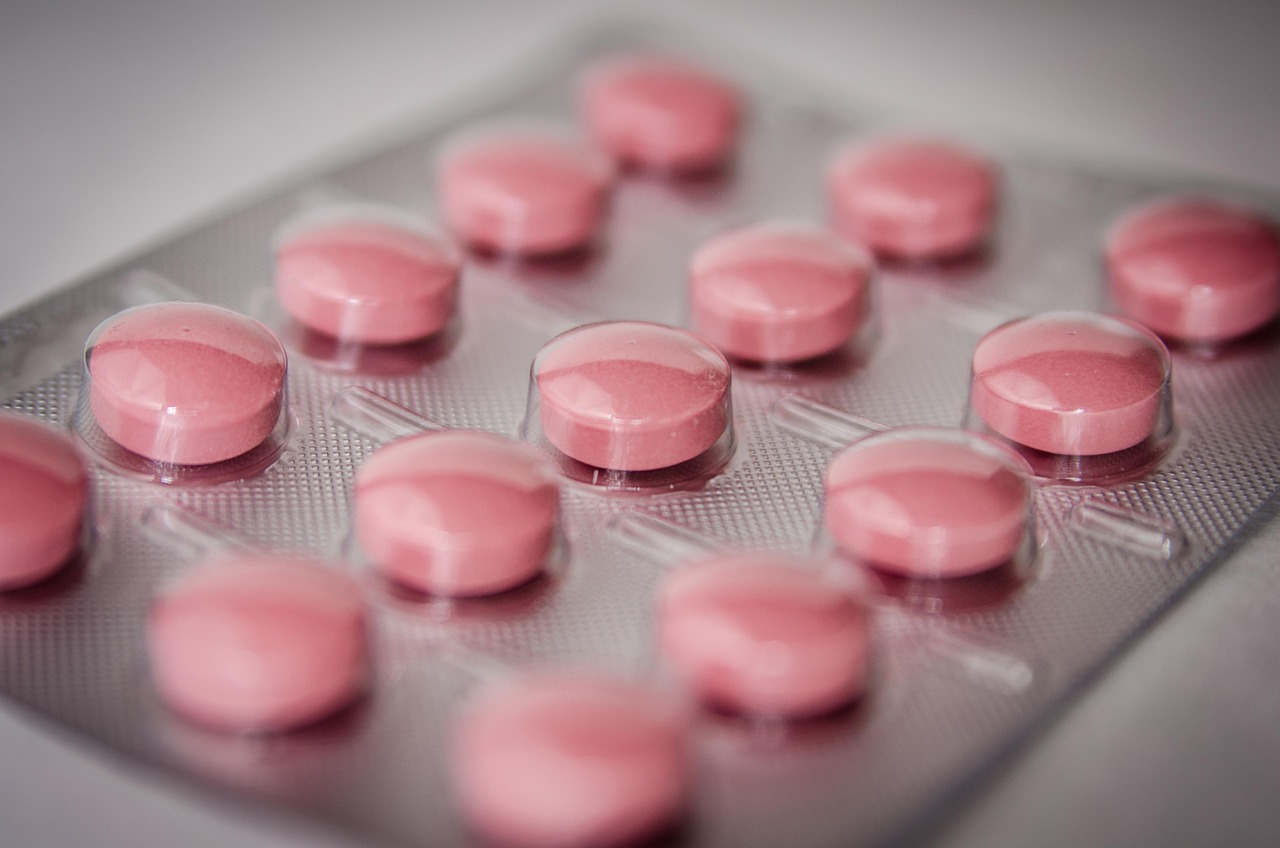
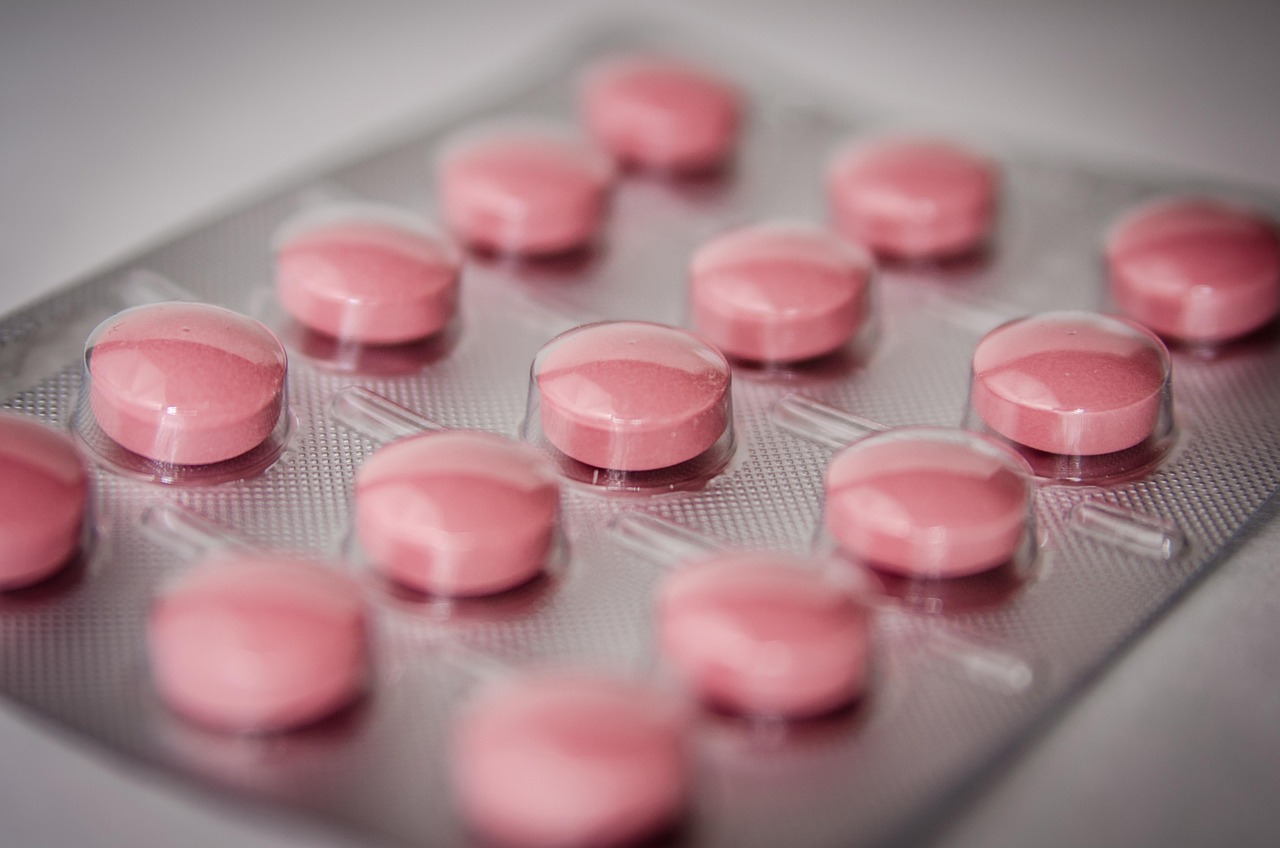
Certain medications can affect thyroid hormone levels and TSH, leading to inaccurate test results. Before scheduling a thyroid test, inform your doctor about all the medicines you’re taking, including over-the-counter supplements and herbal remedies. Common culprits include:
- Thyroid medications (both prescription and over-the-counter)
- Antibiotics
- Blood pressure drugs (beta-blockers)
- Anti-seizure medications
- Certain antidepressants
2. Refraining from Intensive Exercise
Intense physical activity can temporarily alter thyroid hormone levels, making test results less reliable. Avoid strenuous exercise or high-intensity workouts for a few days before the test. Instead, maintain your usual level of activity, which helps provide a more accurate snapshot of your thyroid’s function under normal conditions.
3. Maintaining a Balanced Diet
Your diet plays a significant role in thyroid health. While there’s no specific diet required before a thyroid test, maintaining a balanced, iodine-rich diet is generally recommended. Iodine is essential for thyroxine production, and deficiencies can impact test results. Include foods rich in iodine like seafood, dairy products, and iodized salt to support thyroid function and ensure accurate testing.
4. Avoiding Stress and Sleep Disruption
Stress hormones can influence thyroid function, and sleep patterns affect the body’s natural rhythm. Try to minimize stress and maintain a regular sleep schedule leading up to your test. Adequate rest helps regulate hormone levels and ensures your body is in its most balanced state for accurate testing.
What to Expect Before, During, and After the Test
Pre-Test Preparation
Before your appointment:
- Confirm the Test: Ensure you understand the purpose of the test and what results indicate. Ask your doctor about any specific preparations unique to your situation.
- Inform Your Doctor: Disclose all medications, supplements, and recent illnesses or surgeries that might impact the test.
- Follow Instructions: Adhere to any dietary or activity guidelines provided by your healthcare provider.
During the Test
The procedure is typically quick and non-invasive:
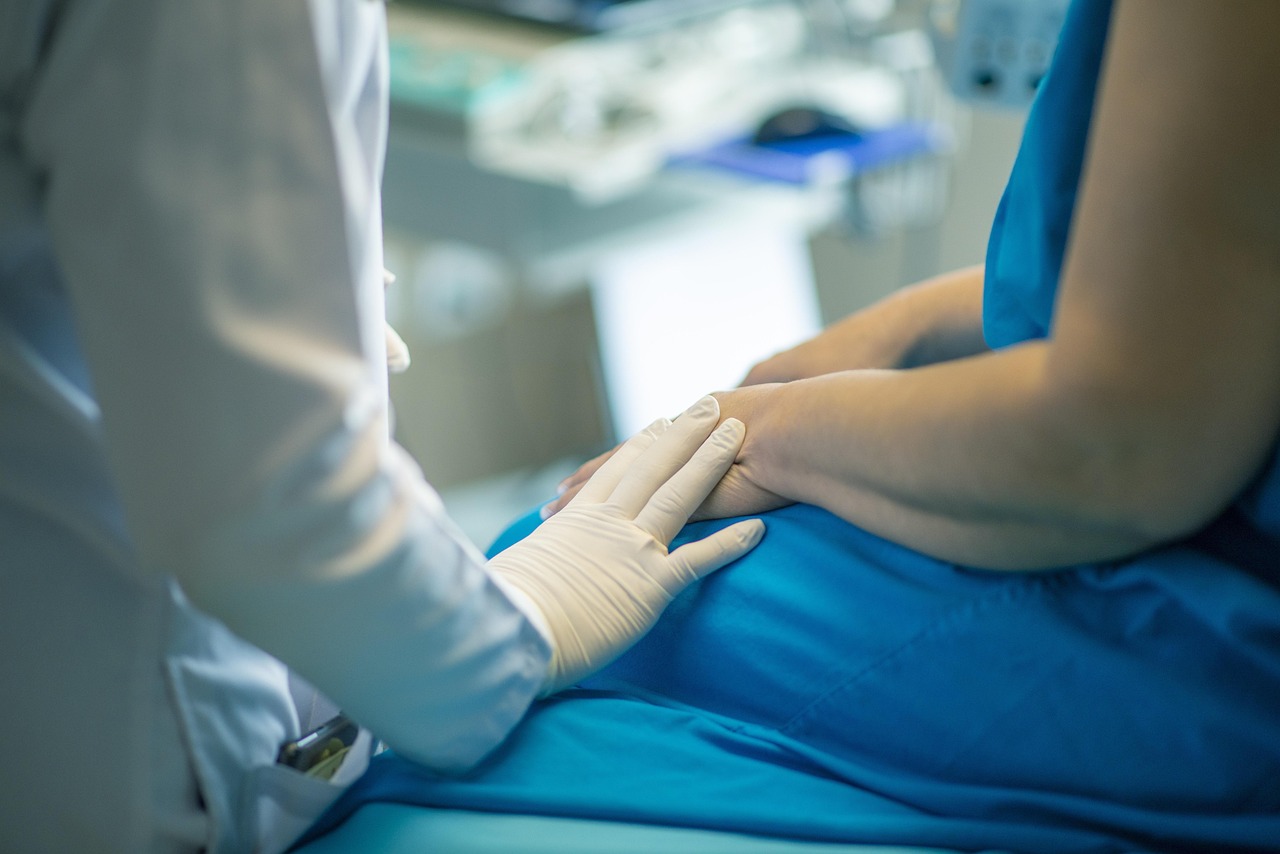
- A healthcare professional will clean your arm and insert a needle to draw blood, ensuring minimal discomfort.
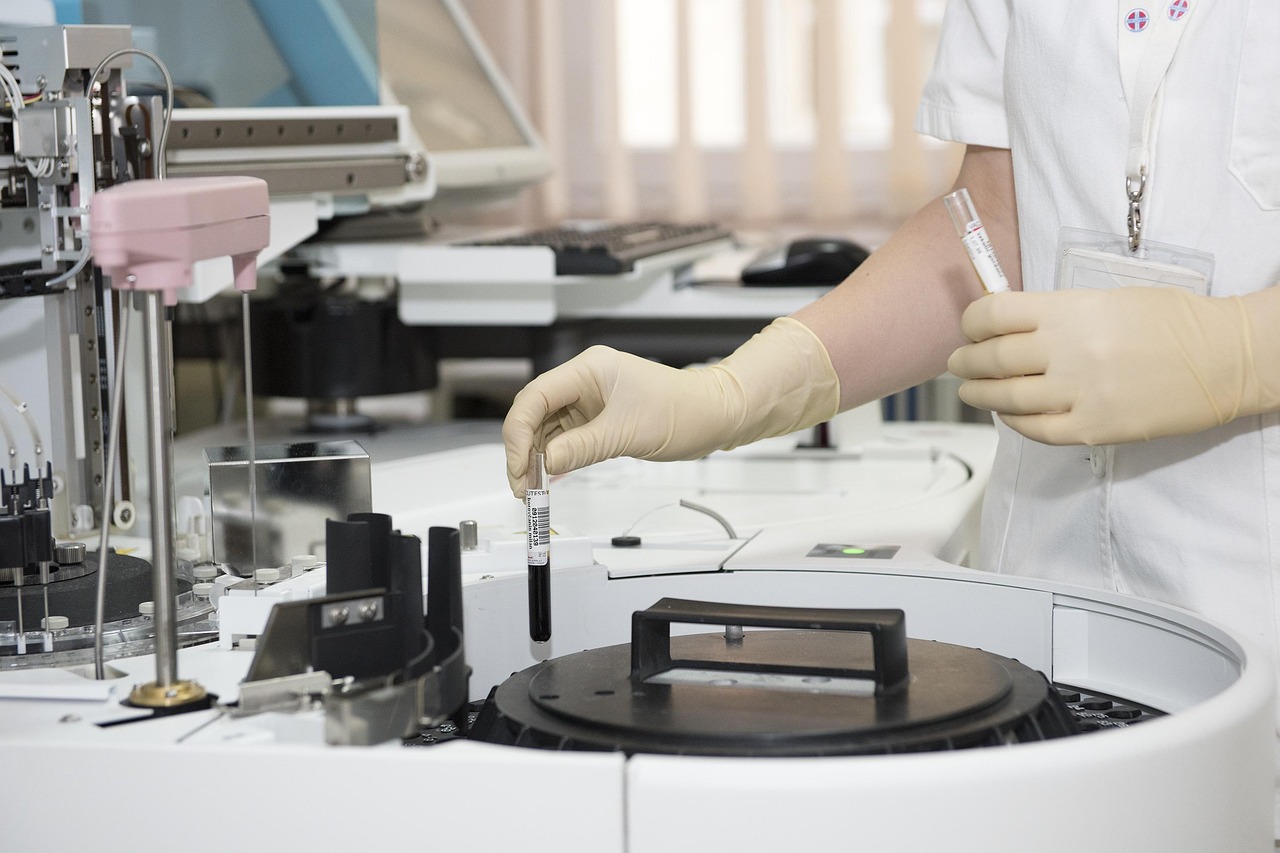
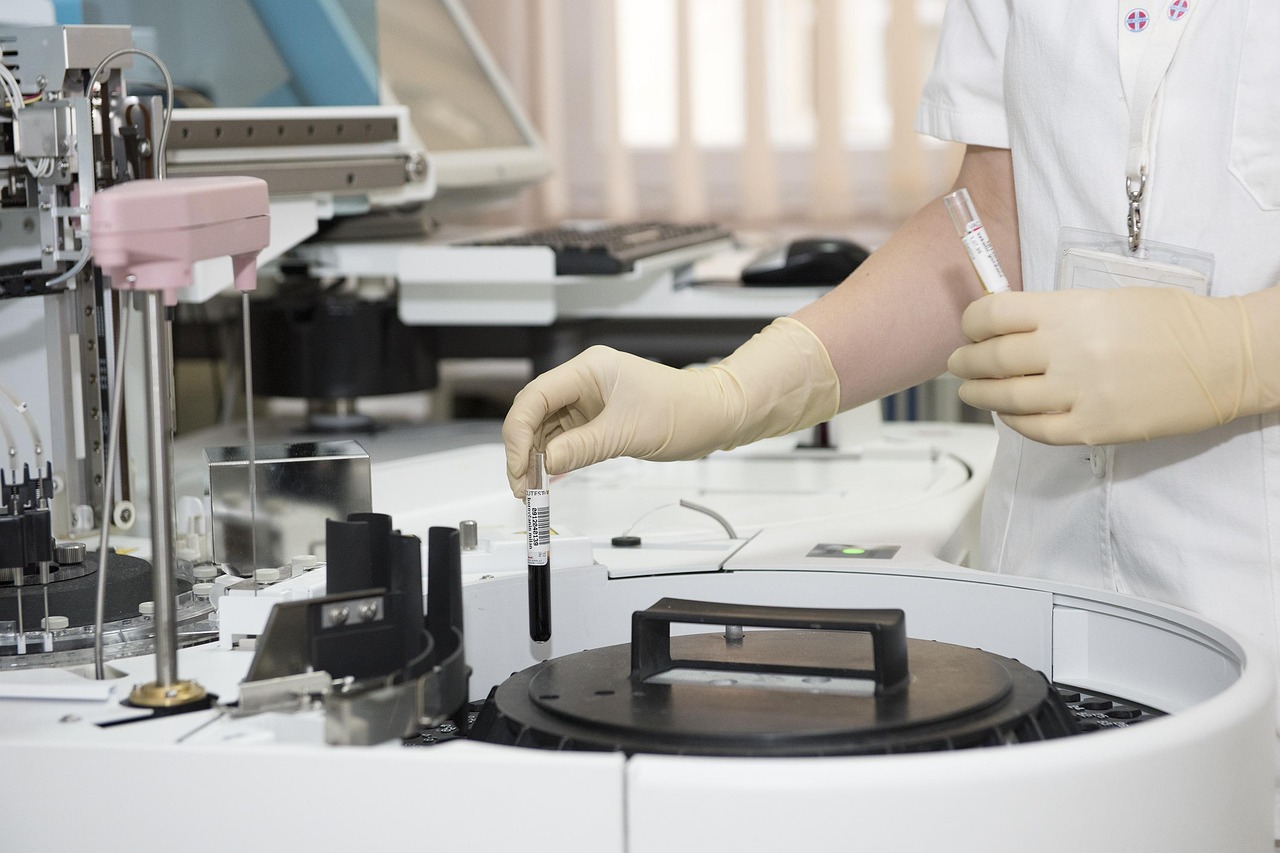
- The blood sample is sent to a lab for analysis, where hormone levels are measured.
- You may experience mild bruising or discomfort at the injection site, which usually subsides quickly.
Post-Test Recovery
After the test, you can generally resume your regular activities:
- Avoid Exertion: Steer clear of intense exercise for a few hours to prevent any potential interference with test results.
- Monitor Bruising: Keep an eye on the injection site for signs of redness or swelling, which are usually temporary.
- Wait for Results: Your doctor will contact you with your test results and discuss any follow-up actions required.
Common Myths Debunked
Myth 1: Eating Iodine-Rich Foods Before the Test Improves Results
While iodine is crucial for thyroid function, consuming excessive amounts around the time of a test may distort results. Stick to your usual diet and avoid taking iodine supplements before the test.
Myth 2: Fasting is Always Required for Thyroid Tests
Fasting isn’t generally necessary or recommended for thyroid tests. However, some labs might request fasting to minimize potential interference from certain substances in the blood. Your doctor will guide you based on your specific test protocol.
Myth 3: Stress Won’t Affect My Test Results
Stress hormones can impact thyroid function, leading to inaccurate results. Try to manage stress levels before and after the test for more reliable outcomes.
Frequently Asked Questions (FAQs)
Q: Can I take my vitamins or supplements before a thyroid test?
A: Some supplements, especially those containing iodine or certain herbs, might interfere with test results. Discuss any supplements you’re taking with your doctor and consider discontinuing them temporarily if advised.
Q: How soon after exercise should I get a thyroid test?
A: Avoid intense workouts for 24-48 hours before the test to ensure hormone levels reflect your usual state. Regular, moderate exercise is beneficial for overall health but can affect test accuracy if done immediately beforehand.
Q: Will my diet significantly impact the test results?
A: A balanced, iodine-rich diet is generally recommended, as iodine is essential for thyroid function. However, drastic dietary changes or severe deficiencies might not provide accurate representations of your thyroid’s state.
Conclusion
A thyroid test is a valuable tool in diagnosing and managing thyroid disorders. By understanding the preparations needed before such tests, you can ensure that results are reliable and accurate. Remember to consult with your healthcare provider regarding specific guidelines tailored to your health profile. With proper preparation, you’re on the path to receiving insightful information about your thyroid’s health.