TL;DR: This article explores whether the time of day you take a thyroid test matters, delving into science behind thyroid function throughout the day, common testing windows, and factors influencing accurate results. We’ll also dispel myths about optimal timing and provide guidance on preparing for a reliable thyroid test result.
Understanding Thyroid Tests
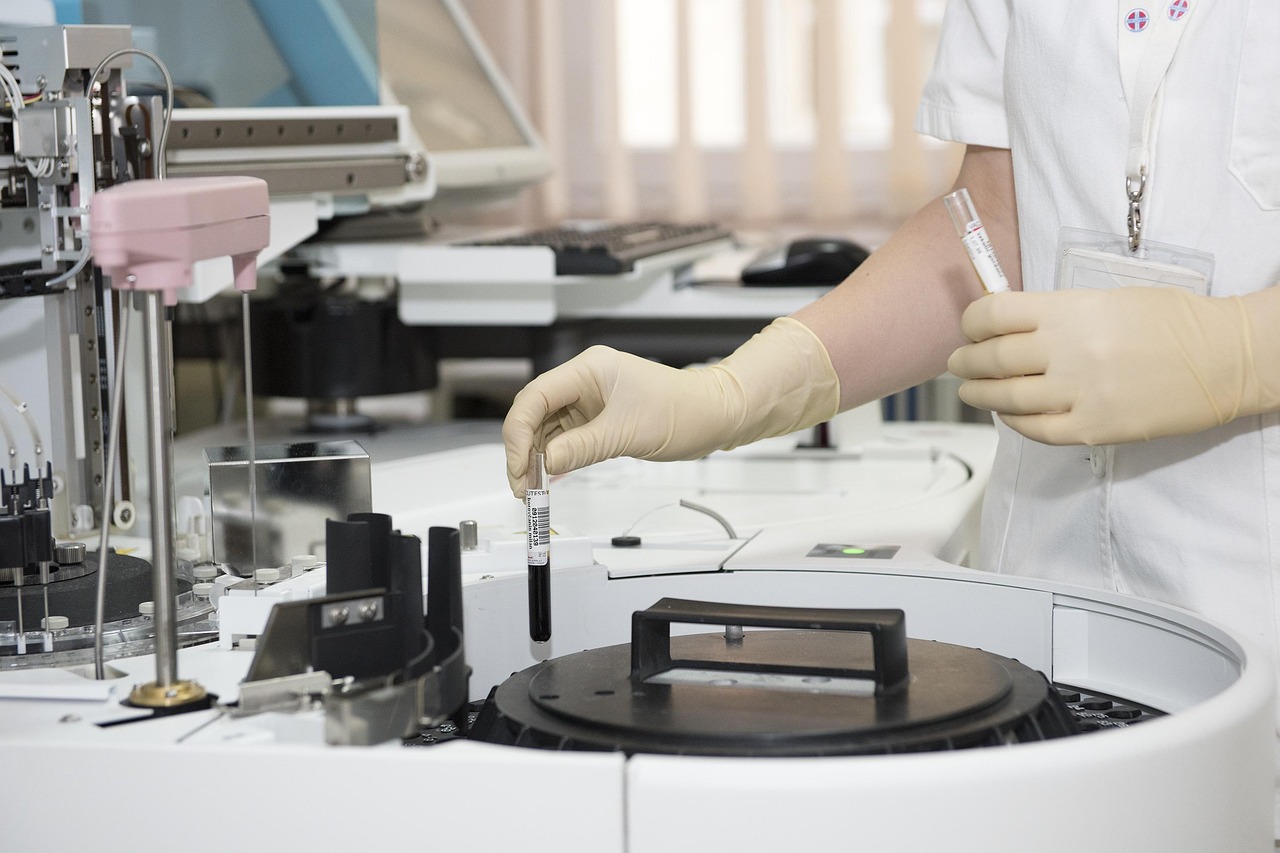
A thyroid test is a crucial tool in diagnosing and monitoring thyroid conditions, such as hypothyroidism, hyperthyroidism, or thyroiditis. These tests measure the levels of thyroid hormones (T3 and T4) and/or thyrotropin (TSH) in your blood. Accurate interpretation depends on understanding both the test itself and the natural fluctuations in thyroid function throughout the day.
The Myth and Reality: Morning vs. Evening Thyroid Tests
For years, there has been a persistent belief that taking a thyroid test in the morning is always best, as it reflects your basal (resting) thyroid levels. Conversely, some advocate for evening tests, thinking hormone levels might be higher then. Let’s separate fact from fiction:
Thyroid Function Throughout the Day
Thyroid hormones play a vital role in regulating metabolism, and their production fluctuates naturally throughout the day:
-
Morning: Thyroid hormone release typically peaks in the morning, providing the energy boost needed to start the day. This is due to a surge in the hormone thyroxine (T4) during sleep-wake cycles.
-
Afternoon/Evening: Levels gradually decline throughout the day as T4 converts into its active form, triiodothyronine (T3). This natural rhythm helps coordinate various bodily functions and ensures efficient energy utilization.
Conclusion: While thyroid hormone levels do indeed change over the course of a day, these variations are within a narrow range. The difference between morning and evening levels is generally too small to significantly impact test results.
Factors Influencing Test Accuracy
Several factors, unrelated to time of day, can affect thyroid test accuracy:
-
Stress: High stress levels can temporarily suppress thyroid function, leading to lower T3 and T4 levels. Testing during a period of significant stress may yield false-negative results.
-
Diet: Iodine intake is essential for thyroid hormone production. Deficiencies or excessive intake can interfere with test results. Maintaining a balanced diet rich in iodine is crucial for accurate testing.
-
Medications: Certain medications, such as beta-blockers and some antidepressants, can affect thyroid function and test readings. Inform your doctor about any medications you are taking before getting tested.
-
Illness: A recent infection or illness can temporarily disrupt thyroid hormone production, potentially skewing results. It’s important to wait until you are feeling well before undergoing testing.
-
Laboratory Techniques: Different labs may use slightly different methods for testing, leading to minor variations in results. Choosing a reputable lab and discussing any concerns with your healthcare provider is essential.
When Is the Best Time to Take a Thyroid Test?
While morning and evening tests are both acceptable, the most important factor is consistency. Choose a time of day that you can reliably adhere to for all future testing:
-
Consistency is Key: Pick one specific time of day (e.g., morning) and fast for the recommended duration before testing. This ensures your results are comparable over time.
-
Fasting: Most labs recommend fasting for 8-12 hours before a thyroid test to minimize interference from food. Follow these instructions carefully for the most accurate results.
-
Consult Your Doctor: If you have any concerns about potential factors that might affect your test, discuss them with your healthcare provider. They can offer personalized guidance based on your specific situation.
Preparing for Your Thyroid Test
To ensure accurate results, follow these tips before taking a thyroid test:
-
Stop taking supplements: For at least 24 hours before testing, avoid any supplements that might affect thyroid hormone levels, such as iodine supplements or herbal remedies.
-
Avoid stress: Try to minimize stressful situations leading up to the test. Relaxation techniques like deep breathing or meditation can help.
-
Get adequate sleep: Aim for 7-8 hours of quality sleep the night before testing.
-
Follow lab instructions carefully: Carefully read and follow any specific pre-test instructions provided by your healthcare provider or laboratory.
FAQ
Q: Does it matter if I exercise before a thyroid test?
A: Exercise itself does not significantly impact thyroid test results. However, intense exercise can temporarily increase stress levels, which may slightly affect hormone readings. It’s best to maintain your regular exercise routine unless advised otherwise by your doctor.
Q: How often should I get my thyroid tested?
A: The need for repeat testing depends on your individual situation. Your healthcare provider will determine the appropriate testing frequency based on your symptoms, medical history, and initial test results.
Q: Can food affect thyroid test results?
A: Yes, certain foods can potentially interfere with test accuracy. Fasting for 8-12 hours before testing is recommended to minimize these effects. Inform your doctor if you have any concerns about dietary factors.
Q: What should I do if my thyroid test results are abnormal?
A: Abnormal test results warrant further evaluation by your healthcare provider. They will interpret the results in conjunction with your symptoms and medical history, and may order additional tests or refer you to a specialist.
Conclusion
While there is no definitive "best" time of day for thyroid testing, consistent testing at a chosen time point is crucial for accurate results. Understanding factors that can influence test accuracy allows individuals to ensure reliable data for their healthcare providers. By following recommended preparation guidelines, patients can contribute to more meaningful and actionable thyroid health assessments.