TL;DR: Understanding the Best Time to Take Your Thyroid Test
This comprehensive guide explores the significance of timing when it comes to thyroid tests, delving into why taking them in the morning or evening can impact results. We’ll uncover the science behind thyroid function, discuss the ideal testing window, and provide insights to ensure accurate readings for a healthier thyroid.
Introduction to Thyroid Tests
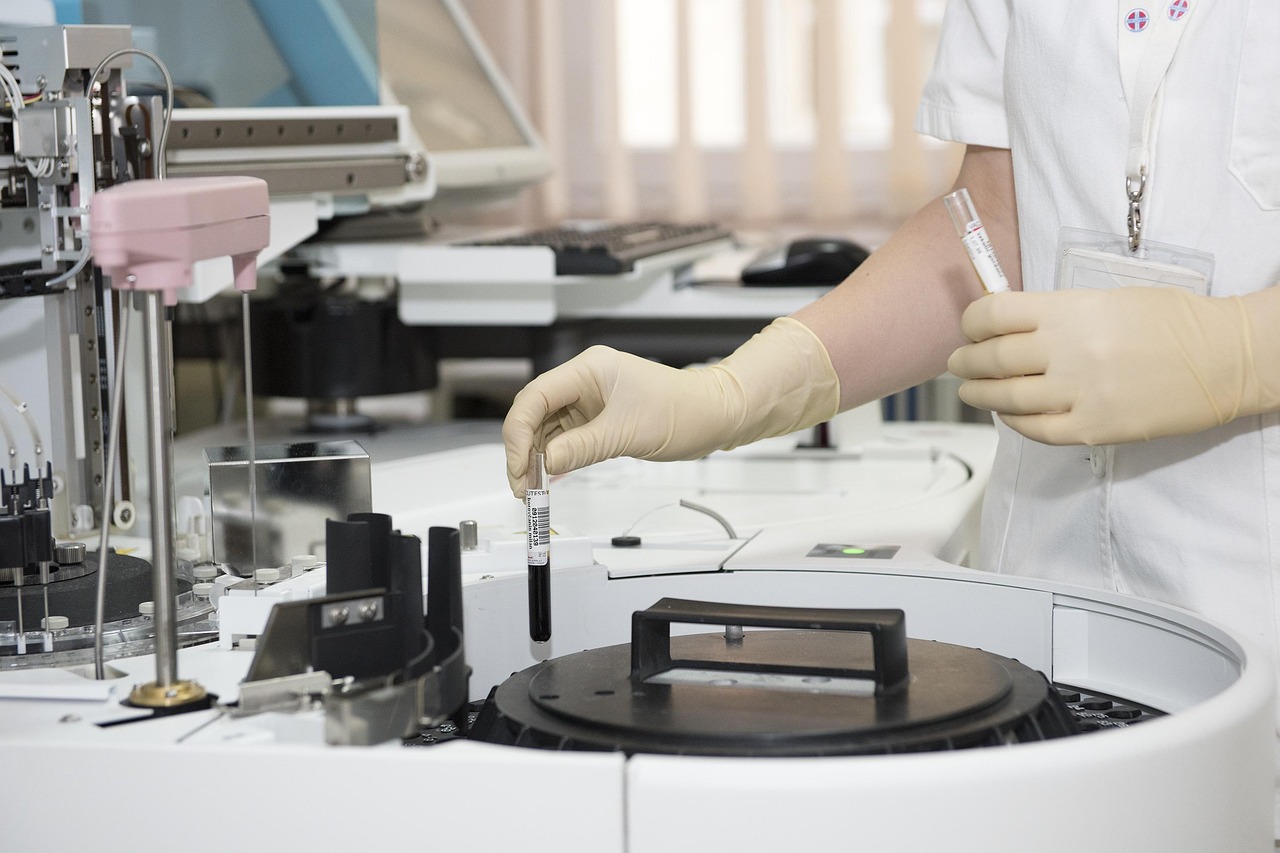
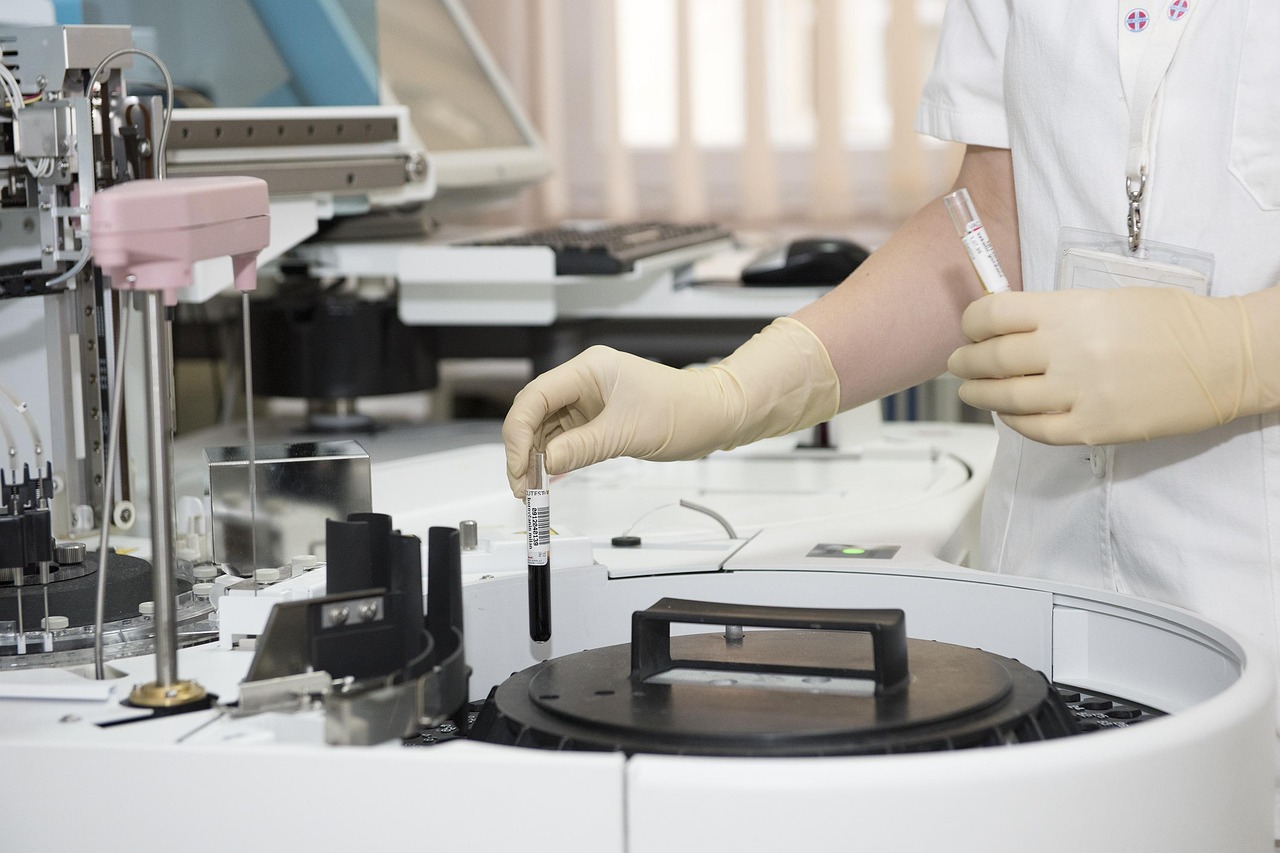
A thyroid test is a crucial diagnostic tool used to evaluate the health of your thyroid gland and its hormone production. These tests are essential for identifying conditions such as hypothyroidism, hyperthyroidism, or thyroid nodules, which affect millions worldwide. The primary hormones produced by the thyroid—thyroxine (T4) and triiodothyronine (T3)—play a pivotal role in regulating metabolism, growth, and development.
The Thyroid’s Daily Rhythm: Why Timing Matters
Circadian Rhythms and Thyroid Function
The thyroid gland, like many other organs, operates on a 24-hour internal clock known as the circadian rhythm. This natural process influences various physiological functions, including hormone release and metabolism. Research suggests that thyroid hormones exhibit diurnal variations, meaning their levels fluctuate throughout the day. Generally, T3 and T4 are higher in the morning and gradually decrease as the day progresses.
Morning vs. Evening: The Hormone Fluctuation
-
Morning: In the morning, following sleep and fasting, the body initiates its daily hormonal cycle. Cortisol levels rise to help wake you up, signaling the thyroid to increase T3 and T4 production. As a result, morning thyroid test results often reflect the highest hormone levels of the day. This is because the thyroid has been actively functioning for several hours, allowing hormones to accumulate.
-
Evening: By the evening, especially after a meal and physical activity, cortisol levels typically drop, leading to a decrease in T3 and T4. This decline can result in lower hormone readings when tested later in the day. Therefore, taking a thyroid test too late in the day might not provide an accurate representation of your thyroid’s morning performance.
When is the Optimal Time for Your Thyroid Test?
To ensure precise thyroid test results, it is generally recommended to:
-
Take the test in the morning: Ideally, 2-3 hours after waking up and before eating or drinking anything other than water. This allows for a consistent fasting period and minimizes external factors that might influence hormone levels. Fasting for at least 8 hours beforehand can significantly impact test accuracy.
-
Avoide significant physical activity: Strenuous exercise close to the test time may alter hormone levels temporarily, potentially affecting results. It’s best to complete any intense workouts several hours before testing.
-
Consult your healthcare provider: Specific guidelines may vary based on individual health conditions and test types. Always discuss optimal testing times with your doctor, who can offer personalized advice tailored to your circumstances.
Exploring Different Thyroid Test Types
Thyroid tests have evolved to provide more detailed insights into gland function:
Blood Tests
The most common thyroid test measures TSH (Thyroid-Stimulating Hormone), along with T3 and T4 levels. TSH, produced by the pituitary gland, stimulates the thyroid to create T3 and T4. Imbalances in these hormones can lead to various thyroid disorders.
Imaging Scans
Ultrasound, CT scans, or MRI imaging are used to visualize the thyroid gland, helping detect nodules, goiters, or structural abnormalities. These tests are non-invasive and provide valuable information for diagnosis and treatment planning.
Radioactive Iodine Tests
These tests involve ingesting a small amount of radioactive iodine, which is then detected by a scanner. They help assess thyroid function and identify areas of abnormal activity, particularly in diagnosing hyperthyroidism or suspicious nodules.
Understanding Normal Thyroid Test Results
Interpreting thyroid test results requires a comprehensive understanding of what’s considered normal:
-
TSH: A normal TSH range varies by age and laboratory methods. Generally, a TSH level between 0.4 and 4.0 mIU/L (milliinternational units per liter) is considered optimal for adults.
-
T3 and T4: Normal T3 and T4 levels depend on specific test methods and reference ranges. However, generally, T3 should be between 80 to 200 pg/mL (picograms per milliliter), and T4 at 4.5 to 12.0 mcg/dL (micrograms per deciliter).
Conclusion: Timing Your Thyroid Test for Optimal Results
In summary, the time of day you take your thyroid test can significantly impact results due to natural hormonal fluctuations. Morning tests, following a consistent fasting period and adequate rest, offer the most accurate picture of thyroid function. Consulting healthcare professionals ensures personalized guidance tailored to individual health needs. By understanding these nuances, individuals can navigate their thyroid health assessments with confidence, leading to timely and effective treatment for any potential disorders.
Frequently Asked Questions (FAQs)
-
Can I take my thyroid test after breakfast?
While it’s generally recommended to fast before the test, some labs allow testing after a light meal. However, results may be slightly less reliable due to post-meal hormone shifts. Always confirm with your lab or healthcare provider. -
How often should I get a thyroid test if I’m healthy?
For most individuals, annual thyroid tests are sufficient. However, those with a family history of thyroid disorders or specific health concerns might need more frequent assessments, as recommended by their doctor. -
Will physical activity affect my thyroid test results?
Intense exercise close to the test time can temporarily impact hormone levels. It’s best to avoid strenuous workouts for a few hours before testing. Light activities, like walking, are generally okay. -
Are there any home remedies to prepare for a thyroid test?
Staying hydrated and maintaining a balanced diet are essential. Avoid excessive caffeine or alcohol consumption beforehand, as these can influence results. Following your healthcare provider’s pre-test instructions is crucial. -
Can I take the test at different times on consecutive days?
Yes, you can repeat the test on another day to confirm results. However, maintaining consistency in testing times (morning vs. evening) ensures more reliable comparisons.