TL;DR: Maximize the accuracy of your thyroid test results by understanding what to avoid before the exam. This checklist guides you through preparations, foods to steer clear of, and lifestyle adjustments to ensure reliable thyroid function assessments.
Understanding Thyroid Tests
A thyroid test, also known as a thyroid function test, evaluates how well your thyroid gland is working. These tests are crucial for diagnosing thyroid disorders such as hypothyroidism, hyperthyroidism, and autoimmune thyroiditis. They measure levels of key hormones produced by the thyroid, primarily thyroxine (T4) and triiodothyronine (T3).
Why Preparation Matters
Pre-testing preparation plays a vital role in ensuring accurate thyroid test results. Certain factors can interfere with your thyroid’s ability to produce and secrete hormones, leading to inaccurate readings. By following this checklist, you’ll minimize these disruptions and get the most reliable data for an accurate diagnosis and personalized treatment plan.
The Pre-Thyroid Test Checklist: What to Skip for Accuracy
1. Avoid Thyroid-Interfering Medications
Some medications can significantly impact thyroid hormone levels:
- Antibiotics: Certain antibiotics, like tetracyclines and penicillin, can affect thyroid function temporarily. Stop taking them at least one week before your test.
- Heartburn and acid reflux drugs: Proton pump inhibitors (PPIs) and H2 blockers can lower thyroxine levels. Discuss alternatives with your doctor if you take these regularly.
- Hormonal contraceptives: The pill, patch, or injection can influence thyroid function. Consider discontinuing use for a week before testing, but consult your gynecologist first.
- Anti-depressants: Some antidepressants may impact thyroid results. Ask your psychiatrist about potential alternatives or adjustments if you’re concerned.
2. Don’t Skip Meals (Especially Breakfast)
Eating plays a crucial role in thyroid health. Fasting can trigger a temporary "fight or flight" response, causing your body to release stress hormones that suppress thyroid function. Aim for a well-balanced meal containing protein, healthy fats, and complex carbohydrates 2-3 hours before your test to ensure stable hormone levels.
3. Steer Clear of Iodine-Rich Foods (for Standard Tests)
Iodine is essential for thyroid hormone production. While this may seem counterintuitive, consuming excessive iodine before a standard thyroid test can elevate T4 and T3 levels artificially. This includes:
- Sea salt
- Iodized table salt
- Seafood (in large amounts)
- Iodine supplements
If you have Graves’ disease (hyperthyroidism), your doctor might ask you to avoid iodine for a more accurate assessment. Always consult with your healthcare provider.
4. Limit Caffeine Intake
Caffeine can temporarily increase stress hormones, including cortisol and adrenaline, which in turn can suppress thyroid function. Try to limit caffeine intake to one or two cups per day before your test, and avoid it altogether for 24 hours prior.
5. Avoid Strenuous Exercise Immediately Beforehand
Intense exercise can trigger the release of stress hormones that affect thyroid function. Avoid vigorous workouts within 12-24 hours leading up to your test. Light activity, such as a leisurely walk, is fine.
6. Minimize Stress (Easier Said Than Done?)
Chronic stress contributes to thyroid dysfunction. While you can’t always control stressful situations, try to implement relaxation techniques like:
- Deep breathing exercises
- Meditation
- Yoga
These practices can help calm your mind and body, minimizing the impact of stress on your thyroid test results.
7. Choose the Right Time of Day
Thyroid hormones naturally fluctuate throughout the day. Opt for having your blood drawn in the morning, as this is typically when thyroxine (T4) and triiodothyronine (T3) levels are at their peak.
What to Expect During Your Thyroid Test
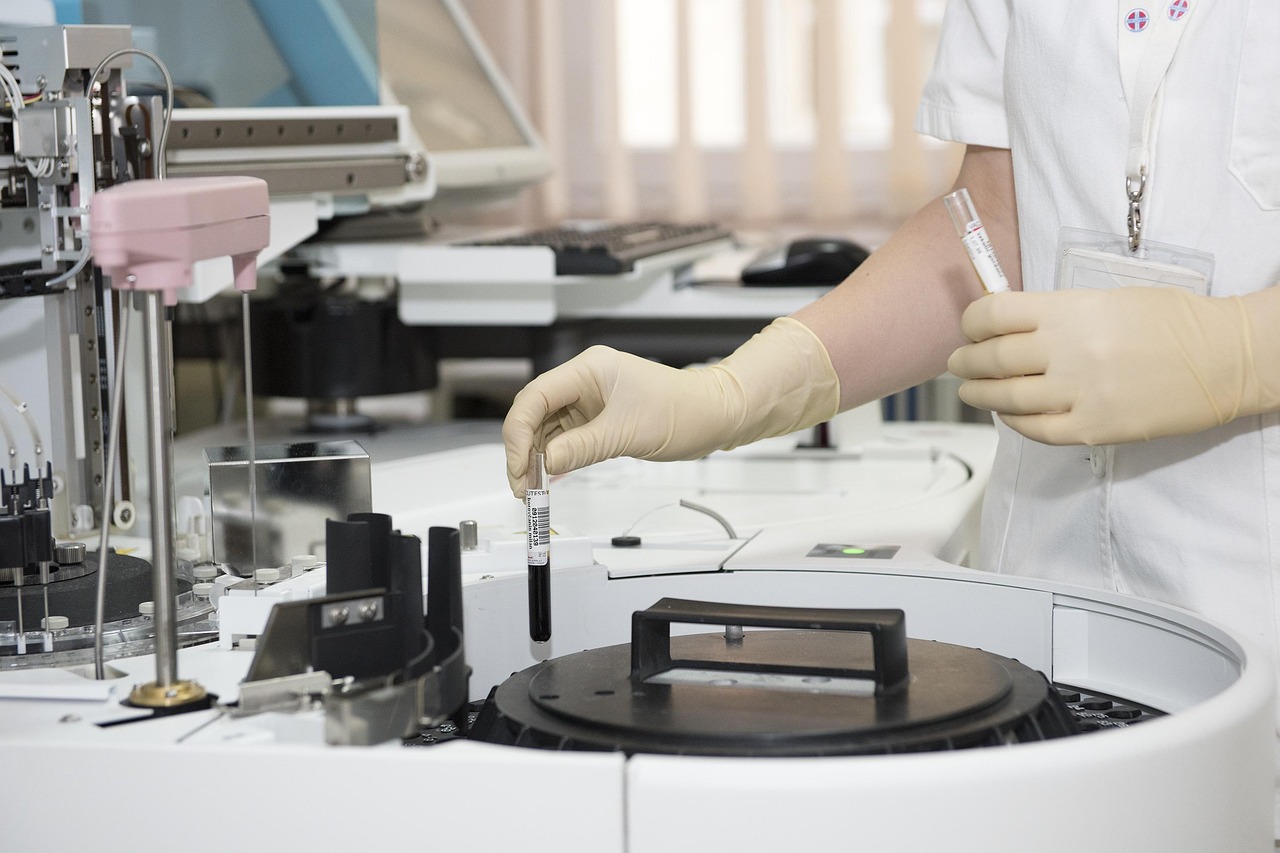
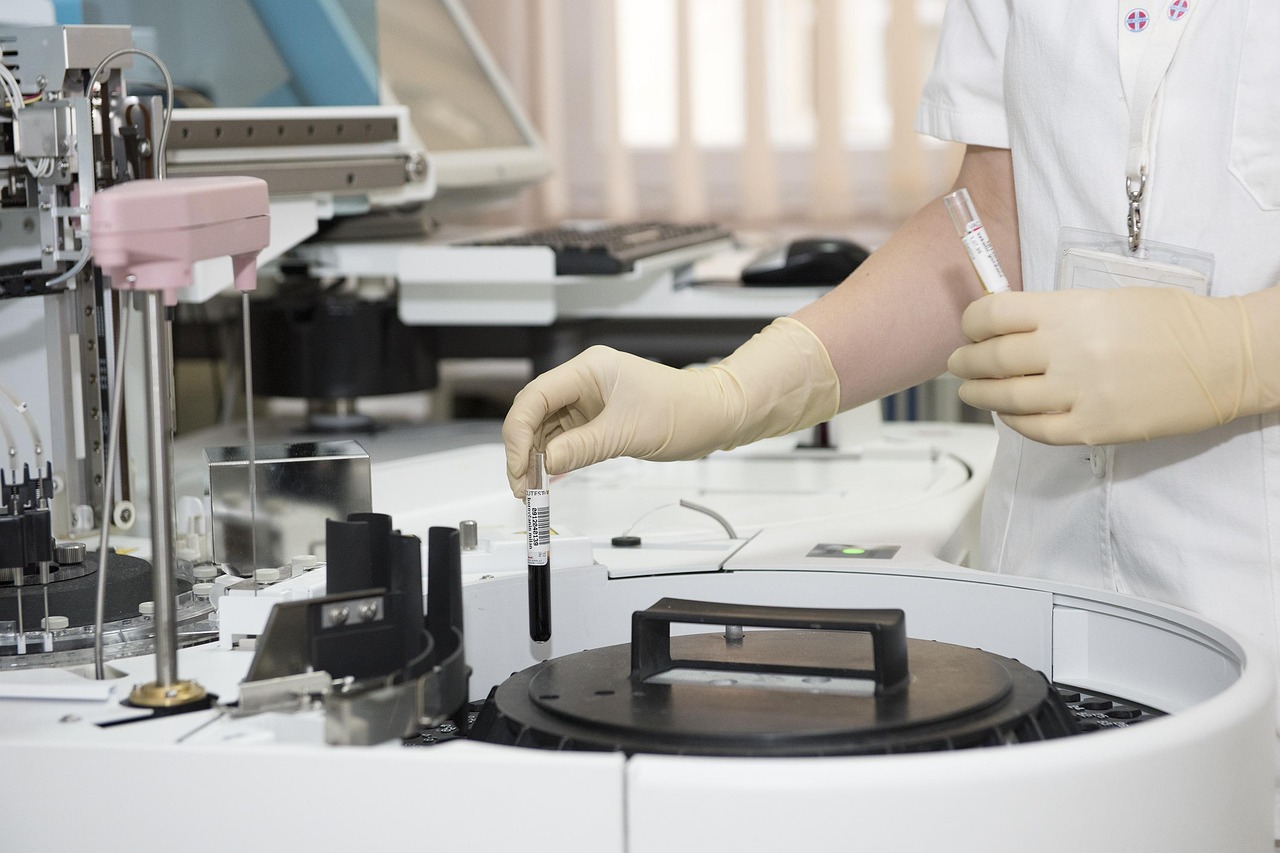
During your test, a healthcare professional will take a blood sample, usually from your arm. The sample will be sent to a lab for analysis. You’ll likely receive your results within a week, along with interpretations and any recommendations for further testing or treatment.
FAQs
1. Can I eat before my thyroid test?
Yes, it’s important to have a meal containing protein, healthy fats, and carbohydrates 2-3 hours before your test to ensure stable hormone levels. Avoid fasting.
2. How long do I need to avoid iodine before a thyroid test?
The duration depends on the type of test. For standard thyroid tests, avoid iodine-rich foods for at least 24 hours prior. If you have Graves’ disease (hyperthyroidism), your doctor may advise a longer period.
3. What if I’m taking medications that might affect my thyroid test results?
Inform your doctor about all medications you’re taking. They may suggest adjusting your dosage or timing temporarily to ensure accurate results.
4. Are there any other factors besides the checklist items that could affect my test results?
Yes, underlying health conditions like diabetes or an autoimmune disorder can impact thyroid function. Always provide your doctor with a complete medical history for proper interpretation of results.
5. What should I do if I have concerns about my test result?
If you’re concerned about your thyroid test results, schedule a follow-up appointment with your doctor to discuss them thoroughly and explore any necessary treatment options.
Conclusion
Remember, this checklist serves as a guide. Always consult with your healthcare provider for personalized instructions based on your medical history and specific thyroid test needs. By following these steps, you’ll contribute to accurate test results and move closer to achieving optimal thyroid health.