TL;DR: A thyroid test is crucial for diagnosing thyroid disorders like hypothyroidism or hyperthyroidism. For accurate results, it’s important to understand what to avoid before getting tested. This guide outlines essential precautions, from dietary changes to medications and stress management, to ensure your thyroid test provides reliable insights into your hormonal balance.
What is a Thyroid Test?
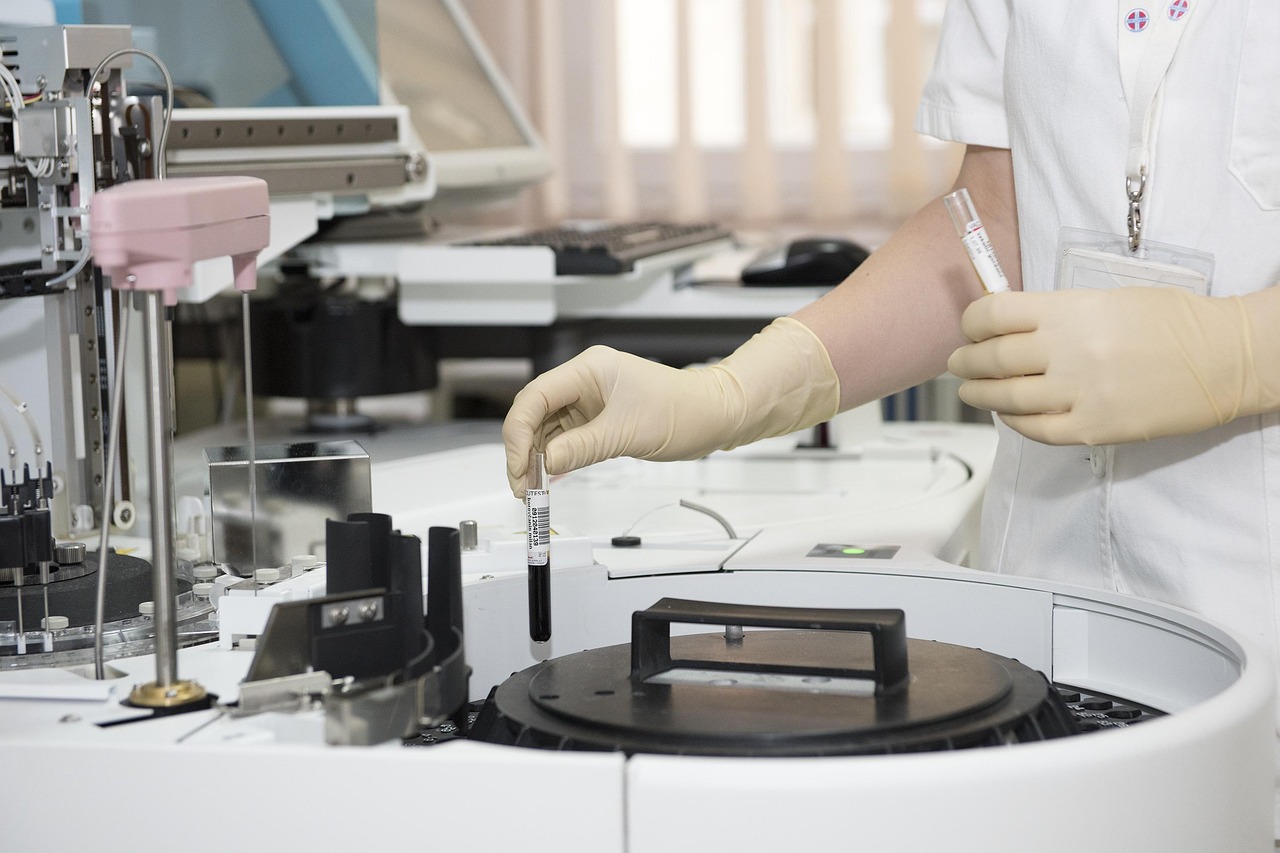
A thyroid test, also known as a thyroid function test or thyroid hormone test, measures the levels of thyroid hormones in your blood. These hormones play a vital role in regulating metabolism, body temperature, heart rate, and more. Understanding your thyroid health is essential for overall well-being, especially as imbalances can lead to a range of symptoms affecting energy levels, weight, and mood.
Why is Avoiding Certain Factors Before Testing Crucial?
Certain factors can interfere with the accuracy of thyroid test results. By avoiding these prior to testing, you ensure more reliable and meaningful interpretations of your results.
What to Avoid Before a Thyroid Test: A Comprehensive Guide
1. Medications:
Some medications, particularly those that affect thyroid hormone production or metabolism, can distort test results. This includes:
- Thyroid medications: If you are already taking medication for a thyroid condition, your doctor may advise you to temporarily stop or adjust the dose before testing.
- Antibiotics: Certain antibiotics can alter thyroid hormone levels. Inform your doctor if you’ve recently completed a course of antibiotics.
- Antipsychotic and antidepressant medications: These can also impact thyroid function. Discuss potential adjustments with your healthcare provider before testing.
2. Dietary Changes:
Sudden or significant dietary shifts within a week or two before the test can influence thyroid hormone levels. Avoid:
- Extreme diets: Rapid weight loss or gain through restrictive eating plans can mess with thyroxine (T4) and triiodothyronine (T3) levels.
- Eliminating key nutrients: Iodine, selenium, zinc, and vitamin D are essential for thyroid function. While a balanced diet typically provides these nutrients, excessive restriction in the weeks leading up to testing might be detrimental.
3. Stress:
Chronic stress can negatively impact your thyroid gland’s functionality. Try to minimize stressors or implement effective stress management techniques, such as:
- Regular exercise
- Meditation or deep breathing exercises
- Spending time in nature
- Engaging in hobbies you enjoy
4. Physical Activity:
While regular exercise is generally beneficial for overall health, excessive, intense physical activity can temporarily suppress thyroid function. Avoid extreme workouts or high-intensity training sessions close to your test date.
5. Caffeine and Alcohol:
Both caffeine and alcohol can interfere with thyroid hormone absorption and metabolism. Limit your intake, especially in the days leading up to your test.
When to Seek Medical Advice Before Testing
If you have any concerns about medications you’re taking or dietary restrictions, don’t hesitate to consult with your doctor before scheduling a thyroid test. They can offer personalized guidance to ensure accurate results.
Frequently Asked Questions (FAQs)
1. Can I take my vitamin supplements before a thyroid test?
Most vitamins and supplements are generally safe to take prior to testing, but check with your doctor if you have any specific concerns about interactions.
2. Will stress significantly affect my thyroid test results?
Chronic stress can indeed impact thyroid function. Managing stress through relaxation techniques or lifestyle adjustments is important for accurate test results.
3. Do I need to fast before a thyroid blood test?
Unless specified by your doctor, you usually do not need to fast before a thyroid test. Follow any other pre-test instructions carefully.
4. What if I’ve recently had surgery or been hospitalized? Should I tell my doctor?
Yes, inform your doctor about any recent medical procedures. Some treatments and interventions can temporarily affect thyroid hormone levels.
5. How often should I get a thyroid test done?
The frequency of testing depends on individual factors and your healthcare provider’s recommendations. Your doctor will determine the appropriate timing based on your symptoms and medical history.
Conclusion
A thyroid test is an essential tool for evaluating thyroid health, but accurate interpretation relies on minimizing external influences. By understanding what to avoid before testing, you empower yourself to provide your healthcare provider with reliable data, leading to more effective diagnosis and treatment if needed. Remember, always consult with a qualified healthcare professional for personalized guidance.