TL;DR
Preparing for a thyroid test is crucial to ensuring accurate results. This checklist guides you through what to avoid before the test, helping you maximize the reliability of your thyroid function assessment. From dietary adjustments to medications and stress management, learn which factors can skew test outcomes and how to optimize them for a more meaningful diagnosis.
Introduction: Why Pre-Test Preparation Matters
A thyroid test is a vital tool in diagnosing thyroid disorders, conditions that affect millions worldwide. However, the accuracy of your results heavily depends on your preparation leading up to the test.
This checklist delves into the essential considerations and strategies to ensure you’re optimized for an accurate thyroid test. Understanding what to avoid—and what to do instead—will empower you to interpret your results correctly and take appropriate steps toward better thyroid health.
What is a Thyroid Test?
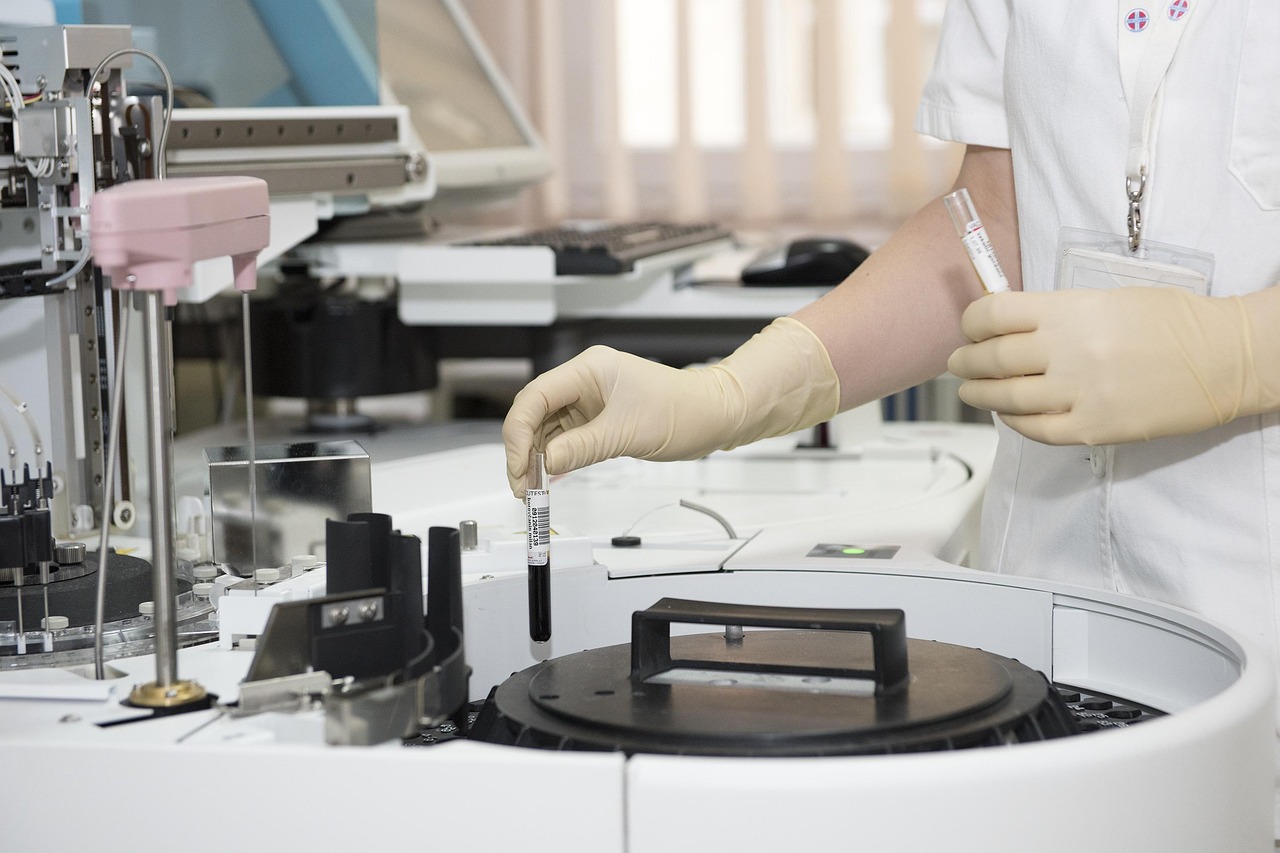
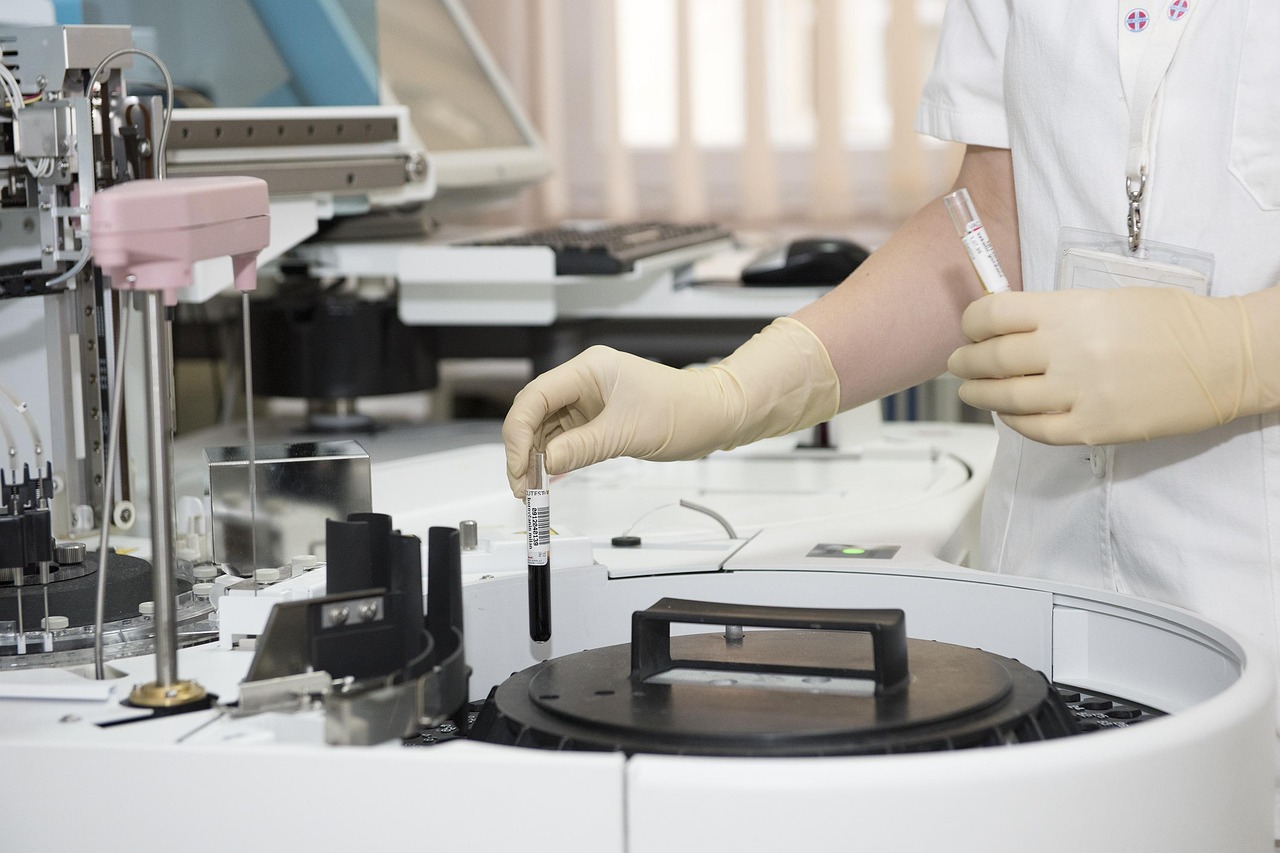
A thyroid test, often referring to a thyroid-stimulating hormone (TSH) blood test, measures the level of TSH in your bloodstream. TSH acts as a signal to your thyroid gland, prompting it to produce and release thyroid hormones. These hormones regulate metabolism, influencing everything from energy levels to body temperature.
The test helps healthcare professionals assess whether your thyroid is functioning optimally (hypothyroidism or hyperthyroidism), or if there’s an imbalance that requires treatment.
The Pre-Thyroid Test Checklist: What to Avoid
To ensure the most accurate results, it’s crucial to adhere to a pre-test checklist. This section outlines key factors to skip or minimize leading up to your appointment.
1. Avoid Dietary Changes for at Least 48 Hours Prior to Testing
Diet plays a role in thyroid function, but abrupt changes can artificially influence test results. Avoid:
- Extreme restriction of iodine (found in seafood and iodized salt), as it’s essential for thyroid hormone production.
- Start new restrictive diets or supplements designed to "detox" your thyroid.
- Make significant changes to your normal eating habits, like fasting or drastically cutting out food groups.
Instead, maintain a balanced diet consistent with your regular eating patterns for optimal test accuracy.
2. Hold Off on Physical Strenuous Activity
Exercising intensely close to your test appointment might lower TSH levels temporarily. This can skew results, potentially leading to an inaccurate diagnosis.
Aim to reduce high-intensity workouts by at least 48 hours before testing. Light exercise, such as gentle walks or yoga, is generally fine but avoid pushing yourself too hard.
3. Stop (or Reduce) Medications That Can Interfere
Some medications can affect thyroid test results:
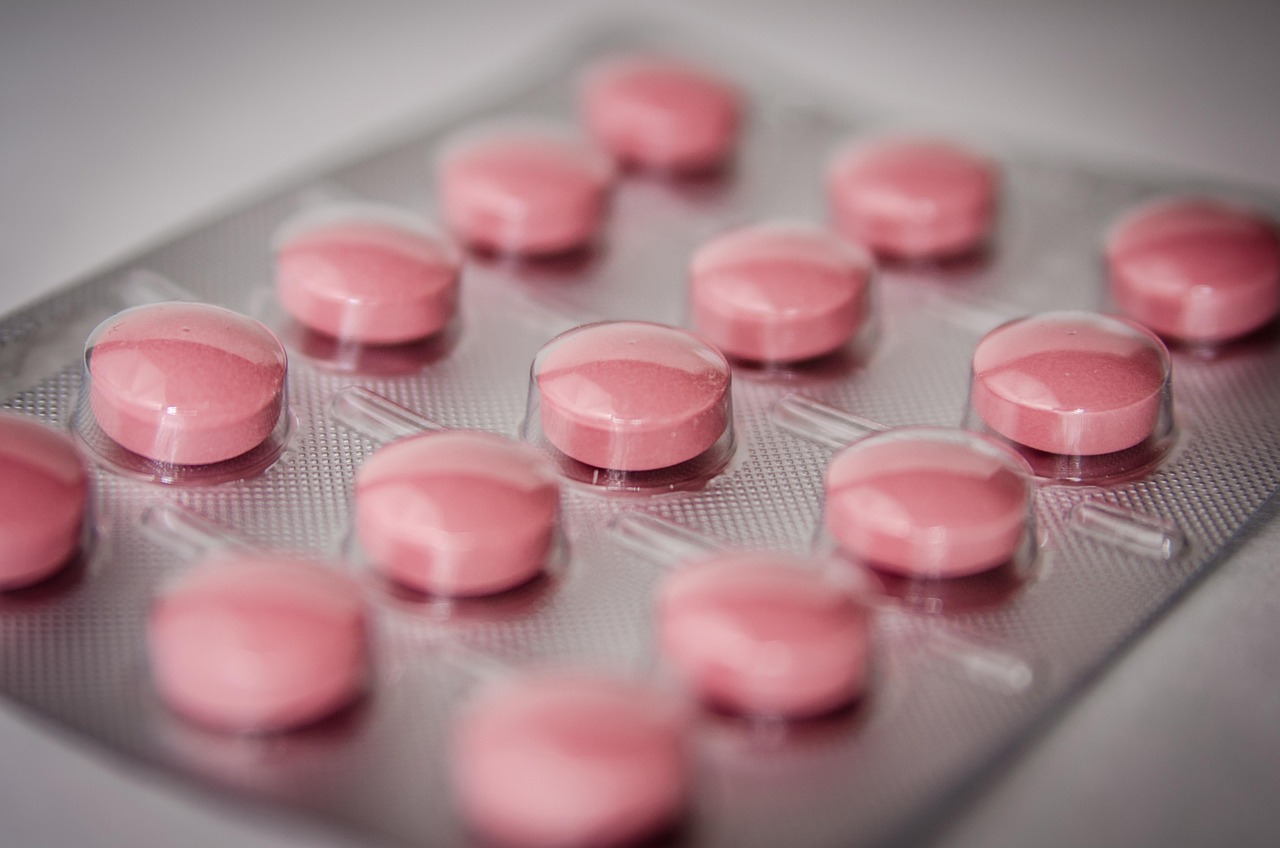
- Antibiotics: Certain antibiotics can temporarily suppress thyroid function, potentially leading to false hyperthyroid readings.
- Beta-blockers: Used for anxiety or high blood pressure, these drugs can also lower TSH levels and distort results.
- Certain antidepressants: Some antidepressant medications can interfere with test accuracy.
Talk openly with your doctor about any medications you’re taking. They may suggest adjusting dosages or timing of medication intake relative to your test appointment if necessary.
4. Avoid Stress and Sleep Disruption
Stress hormones can temporarily suppress thyroid function, leading to elevated TSH levels that might appear abnormal.
Aim for 7-9 hours of quality sleep the night before your test. Additionally, try stress reduction techniques like meditation or deep breathing exercises in the days leading up to your appointment.
5. Refrain from Smoking and Alcohol Consumption
Both smoking and excessive alcohol intake can interfere with thyroid function and impact test results:
- Smoking: Nicotine alters hormone production, potentially affecting TSH levels.
- Alcohol: Excessive drinking can disrupt thyroid hormone metabolism.
It’s best to avoid both substances for at least 24 hours prior to your test.
What To Do Instead?
While avoiding these potential disruptions is key, there are also steps you can take to prepare for an accurate thyroid test:
- Maintain a consistent sleep schedule: Aim for regular bedtimes and wake-up times even on weekends.
- Eat a balanced diet rich in iodine: Include foods like seafood, dairy, eggs, and iodized salt (in moderation).
- Stay hydrated: Drink plenty of water throughout the day.
- Manage stress: Engage in relaxing activities and consider trying mindfulness techniques.
- Schedule your test at a time that works best for you: Avoid testing if you know you’ll be under significant stress or tired.
Understanding Your Results: What to Expect
After your thyroid test, discuss the results with your healthcare provider. They will interpret your TSH level in conjunction with any symptoms you’ve experienced and other factors to determine whether further testing or treatment is necessary.
Remember that a single test result is just one piece of the puzzle. Open communication with your doctor is crucial for gaining a complete understanding of your thyroid health.
Conclusion: Take Control of Your Thyroid Health
Preparing for a thyroid test requires some planning and adjustments to daily habits, but the effort is worth it. By following this checklist and taking proactive steps before your appointment, you’ll ensure that your results are as accurate as possible. This knowledge empowers you to have an informed conversation with your healthcare provider about any potential thyroid concerns.