TL;DR
Before undergoing a thyroid test, understand what your doctor might advise you to avoid. This article explores why certain factors can impact test results, providing a comprehensive guide to ensure accurate readings and effective diagnosis.
Understanding the Importance of Thyroid Tests
A thyroid test is crucial for diagnosing thyroid disorders, which affect millions globally. These tests measure thyroid-stimulating hormone (TSH) levels in your blood to gauge how well your thyroid gland is functioning. However, ensuring optimal conditions before the test is essential for accurate results. This guide delves into why certain preparations are vital and what you should avoid to provide your doctor with reliable data.
Why Preparations Matter: Uncovering Potential Interferents
1. Medications and Supplements
Some medications can significantly alter thyroid function and test outcomes. Inform your doctor about any prescription or over-the-counter drugs, including:
- Antibiotics
- Anti-inflammatory medicines
- Blood pressure regulators
- Hormonal contraception
- Thyroid medications (even if you’re not currently taking them)
Certain supplements, such as iodine, selenium, and vitamin D, can also affect test results. Discuss your supplement regimen with your healthcare provider before the test to ensure they are compatible.
2. Recent or Current Illnesses
Infections and other illnesses can temporarily disrupt thyroid function. If you’ve recently had a cold, flu, or any severe infection, inform your doctor. They may suggest rescheduling the test until your body recovers to obtain more reliable results.
3. Stress and Lifestyle Factors
Stress plays a significant role in thyroid health. High-stress levels can impact hormone production. If you’ve been through a traumatic event or are experiencing intense stress, share this information with your doctor. They might advise rescheduling for a calmer period to ensure more accurate test results.
4. Diet and Weight Loss/Gain
Rapid weight loss or gain can affect thyroid function and TSH levels. Your doctor may recommend maintaining a stable body weight in the weeks leading up to the test for better accuracy.
What to Expect During the Thyroid Test
Understanding the Procedure
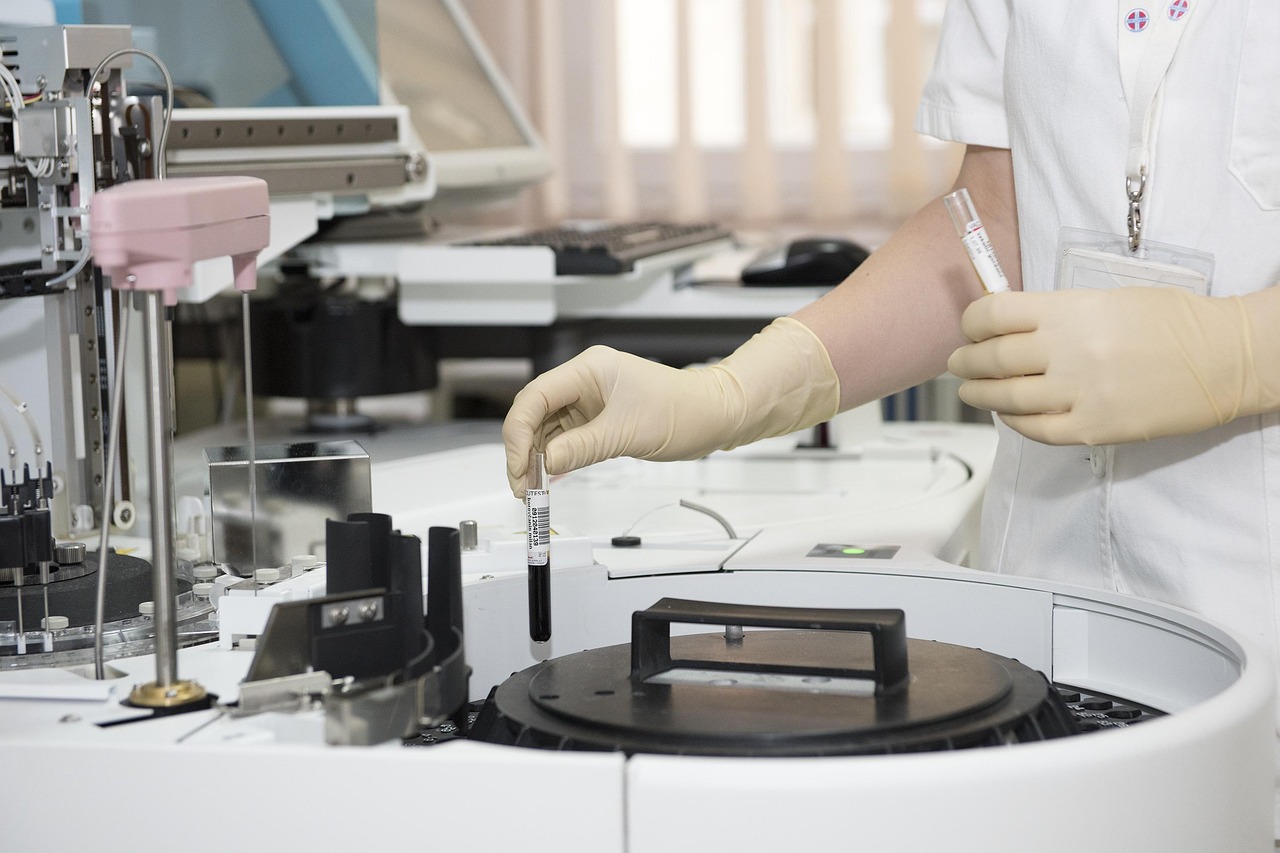
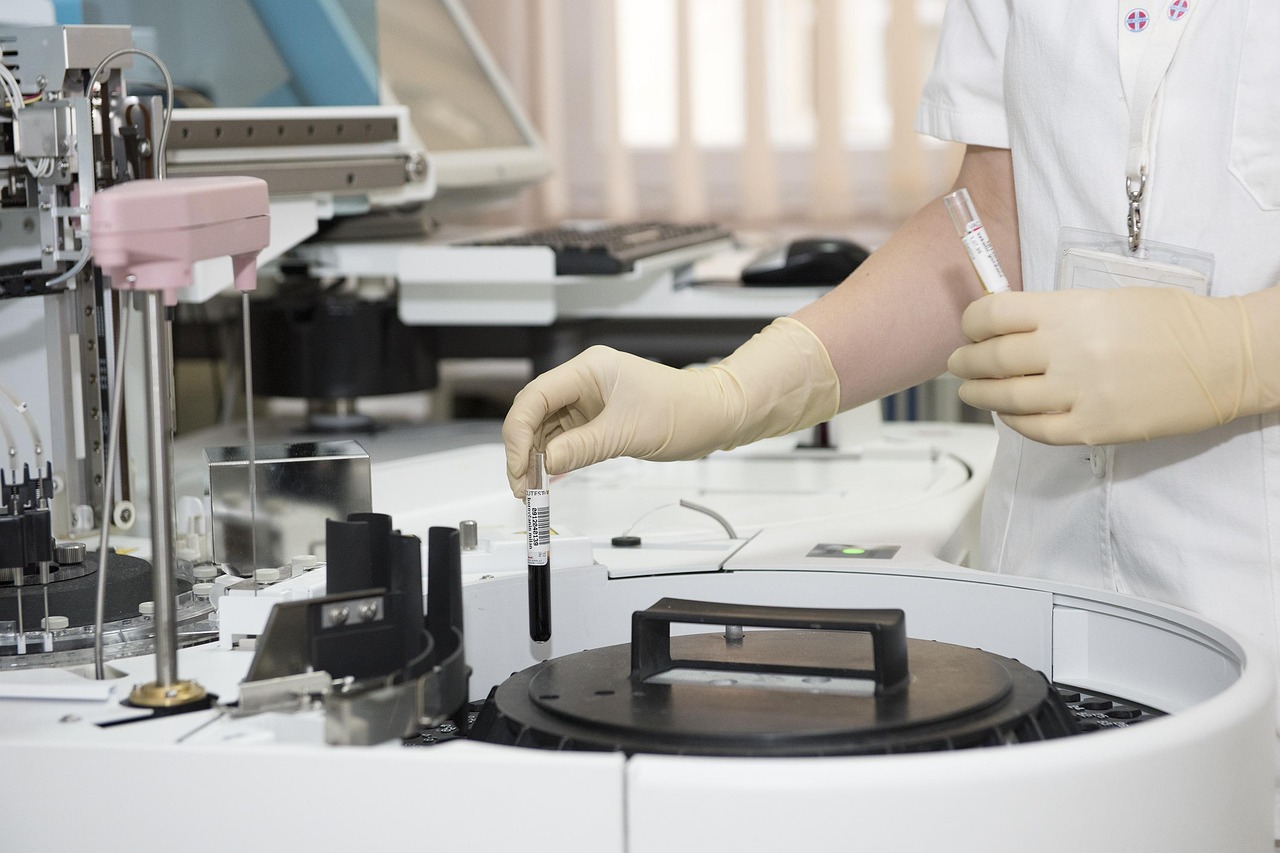
A thyroid test typically involves a simple blood draw, similar to any other blood panel. The lab will analyze your blood sample to measure TSH levels. Normal TSH ranges vary slightly between laboratories but generally fall within the following intervals:
- 0.4 – 4.0 mIU/L (milliinternational units per liter)
When to Get Tested
Your doctor will determine the optimal time for testing based on your symptoms and medical history. Generally, it’s recommended to avoid major physical or mental stress just before the test. Also, ensure you’re well-rested and have eaten a balanced meal to maintain stability.
Foods to Avoid Before a Thyroid Test
Certain foods can interfere with thyroid test results. Here are some dietary considerations:
-
Iodine-rich foods: Iodine is essential for thyroid hormone production, but excessive intake can impact test readings. Avoid seafood (such as kelp, seaweed, and shellfish), iodine supplements, and iodized salt in the days leading up to the test.
-
Goitrogenic vegetables: Some plants contain compounds called goitrogens that can interfere with thyroid function. Limit or avoid raw broccoli, cauliflower, cabbage, kale, and Brussels sprouts before the test.
-
Spicy foods: Capsaicin, found in spicy peppers, can temporarily increase metabolism and impact TSH levels. Reduce or eliminate spicy dishes from your diet for a few days before testing.
When to Avoid Thyroid Testing
Situations Requiring Delayed Testing
There are circumstances where your doctor might advise against undergoing a thyroid test at that time:
-
Acute illness: If you have a severe infection or are experiencing acute illness, the test may not be reliable. Wait until you recover to ensure accurate results.
-
Recent surgery or intense physical stress: Major surgeries or excessive physical exertion can influence hormone levels. Your doctor might suggest rescheduling if you’ve recently undergone these experiences.
-
Menstrual cycles (for women): Hormonal fluctuations during menstruation can impact test readings, especially in people with irregular cycles. Discuss the best timing for testing with your doctor.
Frequently Asked Questions (FAQs)
1. Can I take my vitamins before a thyroid test?
Yes, you can take your vitamins as usual. However, inform your doctor about any specific supplements you’re taking, especially those containing iodine or other trace elements that might affect test results.
2. How soon after eating should I get tested?
It’s best to avoid fasting before the test. Have a regular meal 1-2 hours before the blood draw to ensure stable hormone levels and enhance test accuracy.
3. Will stress significantly impact my thyroid test results?
High levels of stress can temporarily affect thyroid function. If you’ve been under significant stress, discuss it with your doctor. They might recommend rescheduling if you’re in a particularly stressful period for more reliable results.
4. Can I take my medication as usual before the test?
Continue taking any prescribed medications unless your doctor instructs otherwise. However, be prepared to disclose all medicines and supplements you’re taking to ensure accurate interpretation of your test results.
Conclusion
A thyroid test is a valuable tool in diagnosing thyroid disorders, but ensuring optimal conditions beforehand is crucial. By avoiding potential interferents like certain foods, medications, and recent illnesses, you help provide your doctor with precise data for an accurate diagnosis. Always follow your healthcare provider’s advice regarding testing timelines and preparations for the best possible outcome.