TL;DR: Achieve more reliable thyroid test results by understanding what to avoid before the test. This guide details a comprehensive pre-test checklist, highlighting common pitfalls and providing actionable tips for optimal preparation.
Understanding Thyroid Tests: The Gateway to Hormonal Balance
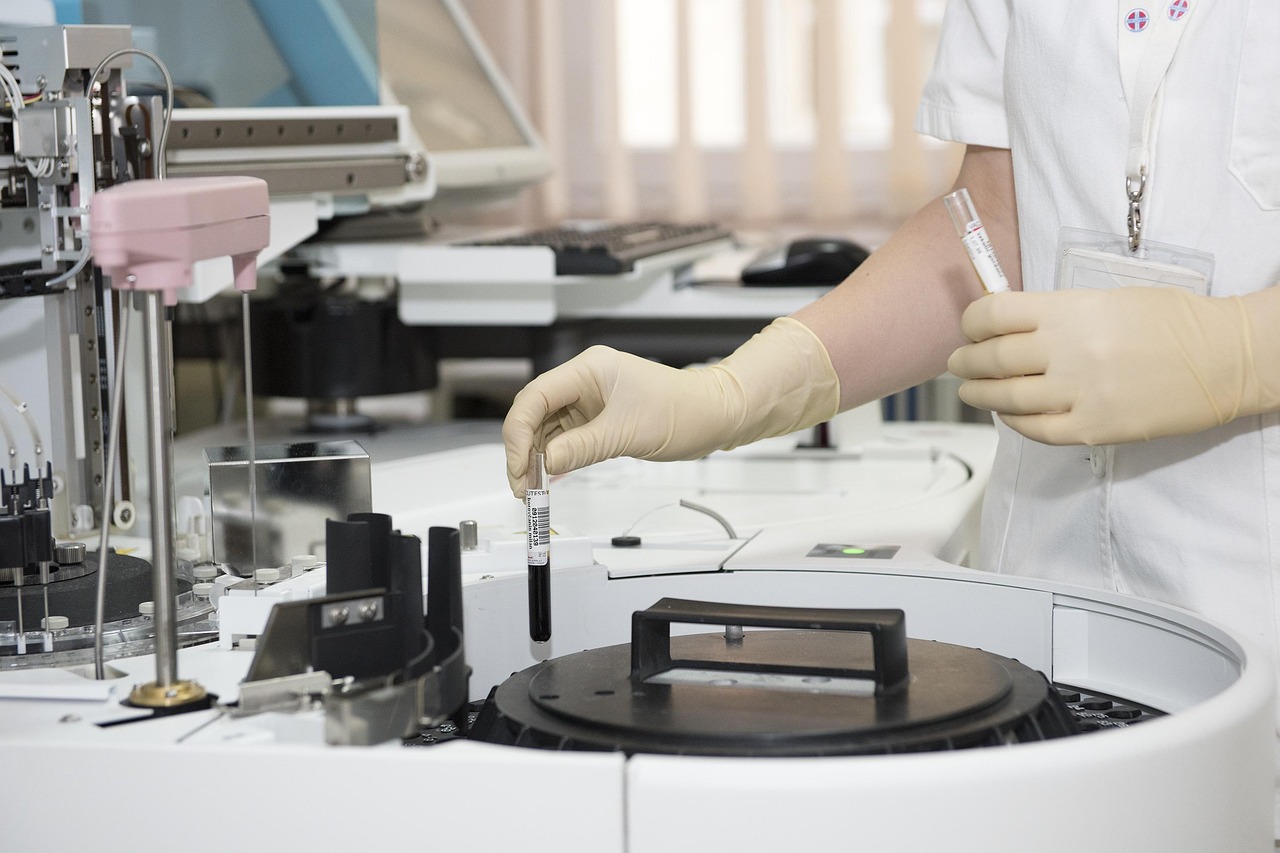
A thyroid test is a crucial tool in evaluating your thyroid function, identifying potential imbalances, and guiding treatment plans. These tests measure the levels of thyroid hormones (T3, T4, and TSH) in your blood, offering insights into your body’s metabolism and overall well-being. However, for results that are truly reflective of your thyroid health, proper preparation is key. This checklist will equip you with the knowledge to navigate pre-test considerations effectively.
The Importance of Accurate Thyroid Test Results
Accurate thyroid test results are essential for several reasons:
- Diagnosis: They help healthcare professionals confirm or rule out thyroid disorders like hypothyroidism, hyperthyroidism, and autoimmune thyroiditis.
- Treatment Monitoring: Regular testing allows doctors to track the effectiveness of thyroid medication and adjust dosages accordingly.
- Research and Insights: Accurate data contributes to research efforts, leading to better understanding of thyroid function and more effective treatments.
The Pre-Thyroid Test Checklist: What to Do (and Avoid)
1. Avoiding Stressful Events Before the Test
Stress can wreak havoc on your body’s hormone levels. In the days leading up to your thyroid test, aim for relaxation techniques like deep breathing exercises, yoga, or meditation. Steer clear of stressful situations or major life changes that might skew your test results.
2. Maintaining a Consistent Sleep Schedule
Sleep plays a vital role in regulating hormones, including those produced by the thyroid gland. Ensure you’re getting 7-9 hours of quality sleep each night for at least a week prior to the test. Avoid staying up late or napping excessively during the day.
3. Following a Balanced Diet
Nutrition is critical for thyroid health. While there’s no specific diet designed for thyroid tests, maintaining a well-rounded diet rich in iodine, selenium, zinc, and vitamin D is beneficial. Avoid extreme dietary changes or fasting before the test as these can impact your hormone levels.
4. Avoiding Certain Supplements and Medications
Some supplements and medications can interfere with thyroid test results. Discuss any supplements or prescription drugs you’re taking with your doctor prior to testing. They may advise you to stop taking certain ones temporarily to ensure accurate readings, especially if they are:
- Thyroid medications: Even if you’re only taking them short-term for testing purposes, inform your doctor.
- Antibiotics: These can affect thyroid hormone production.
- Nonsteroidal anti-inflammatory drugs (NSAIDs): Ibuprofen and naproxen can interfere with test results.
- Iodine supplements: High doses of iodine can distort TSH levels.
5. Refraining from Intense Exercise
While regular exercise is important for overall health, intense physical activity close to the test date might elevate your stress hormone levels and impact test accuracy. Aim for lighter workouts in the days leading up to your appointment.
6. Avoiding Smoking and Alcohol Consumption
Both smoking and excessive alcohol intake can affect thyroid function. Avoid these habits temporarily before the test to ensure more reliable results.
What Not to Do: Common Mistakes to Avoid
-
Over-the-counter medication: Don’t take any medications, even those available without a prescription, within 24 hours of testing unless your doctor specifically advises otherwise.
-
Eating before the test: Some labs require fasting for at least 8 hours prior to the test. Check with your lab or healthcare provider’s instructions and avoid food and drink (except water) accordingly.
-
Ignoring symptoms: If you suspect a thyroid issue, don’t delay seeking medical attention. Accurate testing relies on your current hormone levels, so addressing potential problems beforehand is crucial.
When to Expect Your Results
Once the sample has been processed in the lab, you’ll receive your results from your healthcare provider. They will explain what the findings mean and discuss any follow-up steps necessary based on the test outcomes.
Conclusion: Empowering Yourself with Knowledge
By following this pre-thyroid test checklist, you can help ensure that your test results are accurate and meaningful. Remember, proper preparation is essential for obtaining reliable information about your thyroid health. Don’t hesitate to reach out to your healthcare provider if you have any questions or concerns throughout the process.
FAQ
1. How long before my appointment should I start preparing for a thyroid test?
Begin implementing the recommendations in this checklist at least 7-10 days prior to your scheduled test. This allows time for your body to adjust and ensures optimal hormone levels on the day of testing.
2. Can stress really impact my thyroid test results?
Absolutely. Chronic stress can elevate cortisol levels, which can lower T3 and T4 hormones. Minimizing stress through relaxation techniques is crucial for getting accurate test results.
**3. What if I’m taking medication that might interfere with the test? **
Inform your doctor about all medications you’re taking. They may suggest adjusting dosages or timing of medication intake before testing to ensure accurate results. Never stop taking prescribed medication without consulting your healthcare provider.