TL;DR
Understanding when to take a thyroid test is crucial for accurate diagnosis and management of thyroid disorders. This article delves into the significance of timing, exploring whether morning or evening tests provide more reliable results. We’ll examine factors influencing thyroid hormone levels throughout the day and offer insights to help patients make informed decisions regarding their thyroid health.
Introduction: Why Timing Matters in Thyroid Testing
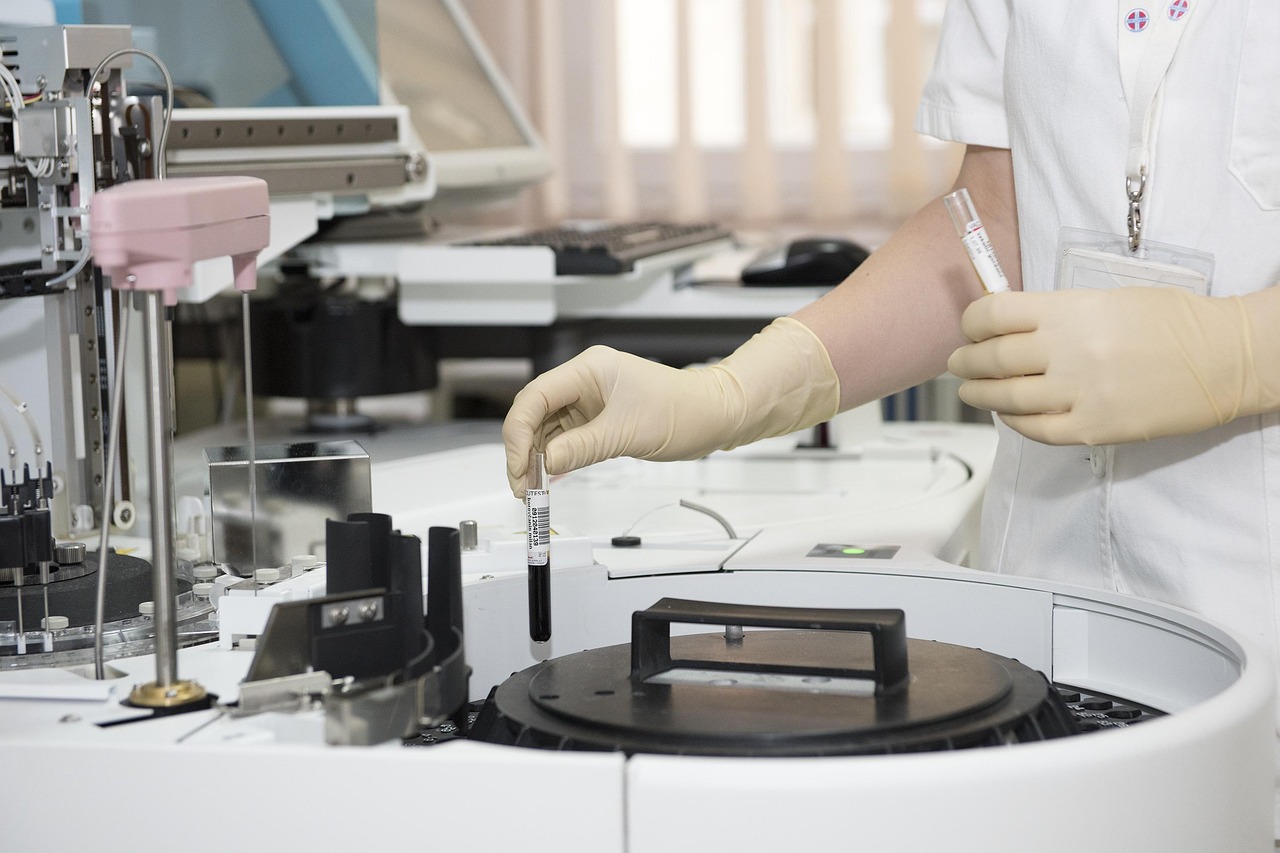
A thyroid test is a vital tool for assessing thyroid function, identifying hyperthyroidism, hypothyroidism, or other thyroid-related conditions. However, the optimal time to take this test has been a topic of debate among healthcare professionals. The body’s hormonal rhythms fluctuate throughout the day, and these variations can impact thyroid hormone levels. This article aims to clarify when it’s best to undergo a thyroid test for more precise and reliable results.
Morning Thyroid Tests: Pros and Cons
Benefits of Testing in the Morning
-
Consistent Sampling: Morning tests ensure everyone is sampled at the same point in their circadian rhythm, providing a standard reference point for comparison across individuals.
-
Reflects Basal Hormone Levels: Since thyroid hormones play a role in regulating metabolism, morning levels can offer insight into an individual’s basal metabolic rate and overall endocrine balance.
-
Reduced Variability: Morning test results are less likely to be influenced by recent physical activity, food intake, or medication, making them more consistent and reliable.
Potential Drawbacks
-
Missed Peak Levels: Thyroid hormones naturally peak about 2-4 hours after waking. Testing too early in the morning might not capture these peak levels, potentially leading to false results.
-
Impact of Sleep Patterns: Individuals with irregular sleep habits or chronic jet lag may find it challenging to maintain consistent morning test schedules, affecting the reliability of results.
Evening Thyroid Tests: Exploring the Alternative
Advantages of Testing Before Bed
-
Capture Peak Levels: Thyroid hormones reach their highest concentrations in the evening, around 8 pm to 10 pm. Testing before bed ensures these peak levels are measured, providing a more accurate assessment.
-
Consistency for Night Owls: For individuals with varying sleep schedules or those who function better in the evenings (night owls), evening testing offers a more convenient and consistent option.
Considerations and Potential Issues
-
Recent Activity: Exercising, consuming caffeine, or taking certain medications close to bedtime can affect thyroid hormone levels, potentially skewing evening test results.
-
Individual Variability: Some people may naturally have lower evening hormone levels due to factors like aging or specific health conditions, making interpretation more complex.
Comparing Results: Morning vs. Evening Tests
Research suggests that both morning and evening thyroid tests have their merits and can provide valuable information. However, the choice between the two depends on individual circumstances:
-
Optimal Strategy: For most individuals, a combination approach is recommended. Morning testing can establish a baseline, while evening tests serve as a validation or follow-up to identify any significant discrepancies.
-
Consistency is Key: Regardless of the time of day, maintaining consistency in testing procedures and timing is essential for accurate comparisons over time.
Practical Considerations for Patients
Preparing for Your Thyroid Test
-
Follow Instructions: Adhere strictly to your healthcare provider’s instructions regarding fasting, medication adjustments, or any specific preparations needed for optimal test results.
-
Establish a Routine: Create a consistent morning or evening testing routine to ensure reliability in your sample collection.
Understanding Your Results
-
Discuss with Your Doctor: After receiving your test results, consult with your healthcare provider to understand their implications and determine the best course of action for managing your thyroid health.
-
Track Over Time: Keep records of your test results over several months to identify trends and patterns that may help in diagnosing or monitoring a thyroid condition.
Frequently Asked Questions (FAQs)
-
How frequently should I get a thyroid test?
The need for regular testing depends on various factors, including your age, medical history, and symptoms. Your healthcare provider will determine the appropriate testing schedule based on these considerations. Typically, annual tests are recommended for those at high risk or experiencing symptoms of thyroid disorders.
-
Can stress affect my thyroid test results?
Stress can indeed influence hormone levels, including those related to the thyroid. Acute stress may cause a temporary rise in thyroid hormones, while chronic stress could lead to prolonged changes. Communicate any stressful life events or concerns with your doctor for accurate interpretation of test results.
-
Are there at-home thyroid testing kits available?
While some at-home testing kits exist, they are generally less reliable than laboratory tests performed by healthcare professionals. Home kits may not provide accurate results due to variations in collection and processing methods. It’s advisable to consult a doctor for a comprehensive evaluation and diagnosis.
-
How do I know if my thyroid is underactive (hypothyroidism)?
Hypothyroidism is suspected based on symptoms like fatigue, weight gain, dry skin, and increased sensitivity to cold. A combination of medical history, physical examination, and laboratory tests, including thyroid hormone levels, helps confirm the diagnosis. Your doctor will interpret test results in conjunction with your symptoms and other clinical findings.
-
Can my diet impact my thyroid test results?
Diet can indeed play a role in thyroid health. Certain foods contain compounds that can affect thyroid function. For example, goitrogens in raw cabbage or soy products may interfere with thyroid hormone production. However, these dietary factors are usually considered during interpretation rather than influencing the test’s reliability.
Conclusion
The timing of a thyroid test matters, as it can impact the accuracy and interpretability of results. Morning tests capture basal hormone levels, while evening tests identify peak concentrations. The ideal approach is a combination of both, with consistency in testing procedures. By understanding these nuances, patients can actively participate in managing their thyroid health and ensure more effective treatment strategies.