TL;DR
A thyroid test is crucial for diagnosing thyroid disorders, but proper preparation is essential to ensure accurate results. This article delves into the reasons behind specific instructions from your doctor before a thyroid test, focusing on what to avoid to optimize the accuracy of the results.
Introduction
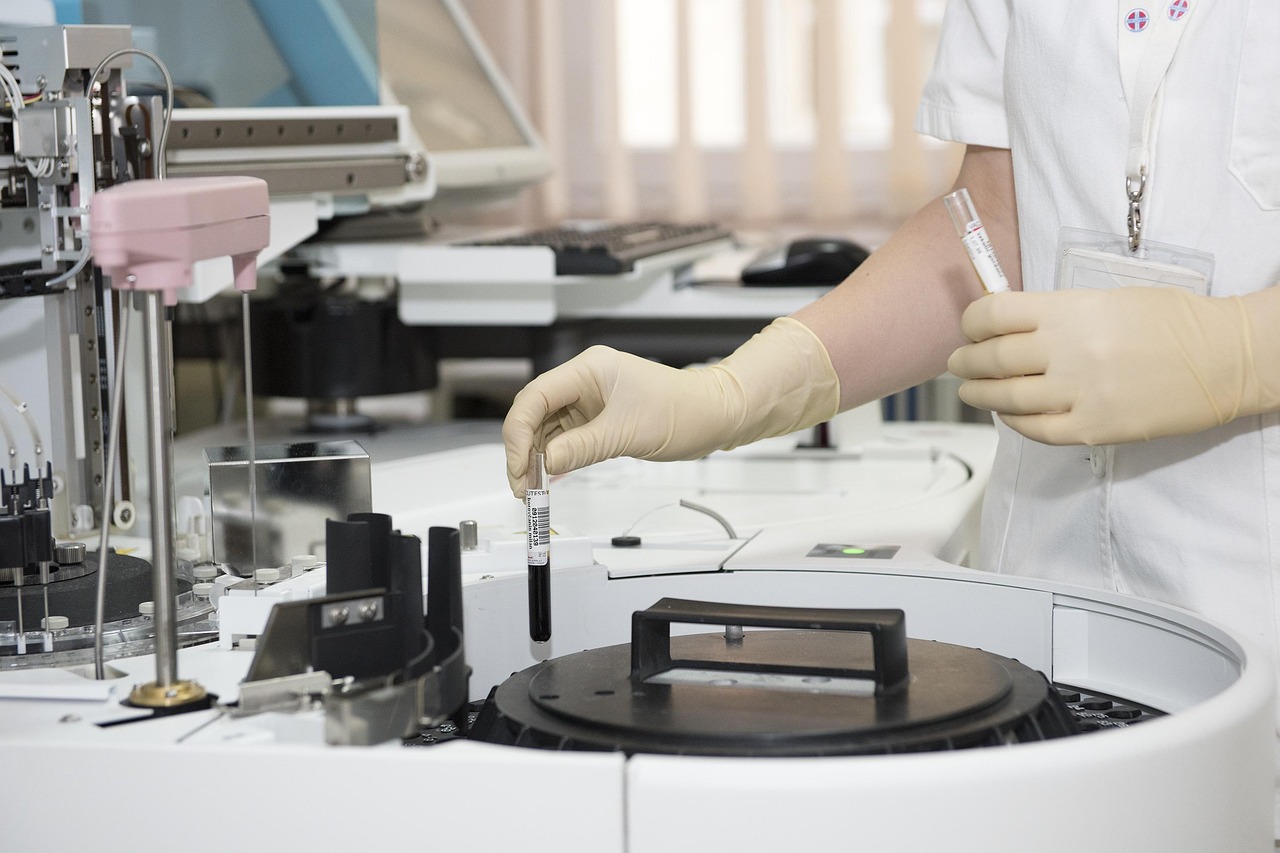
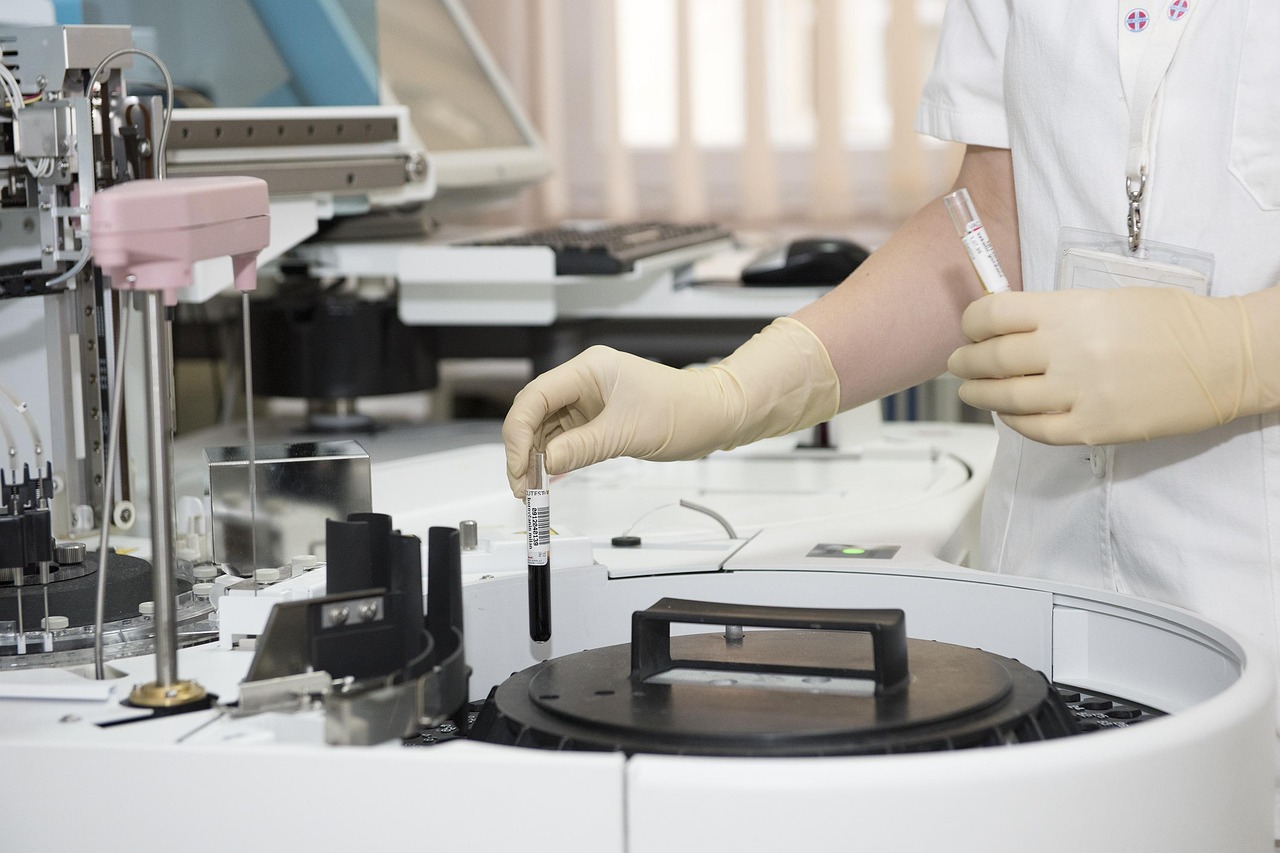
The thyroid test is a critical tool in diagnosing and monitoring thyroid function. It measures the levels of thyroid hormones (T3 and T4) and thyroxine-stimulating hormone (TSH) in your blood. However, for these tests to provide reliable information, patients must follow specific preparation instructions from their doctors. This article explores why your healthcare provider might advise you to avoid certain activities or substances before a thyroid test, ensuring an accurate assessment of your thyroid health.
Why Proper Preparation Matters
Before undergoing a thyroid test, it’s important to understand the role of preparation in achieving accurate results. Certain medications, foods, and even physical conditions can interfere with the test’s sensitivity and specificity. By adhering to your doctor’s instructions, you enhance the likelihood of obtaining valid data that accurately reflects your thyroid’s function or dysfunction.
What Your Doctor Might Ask You to Avoid Before a Thyroid Test
1. Certain Medications
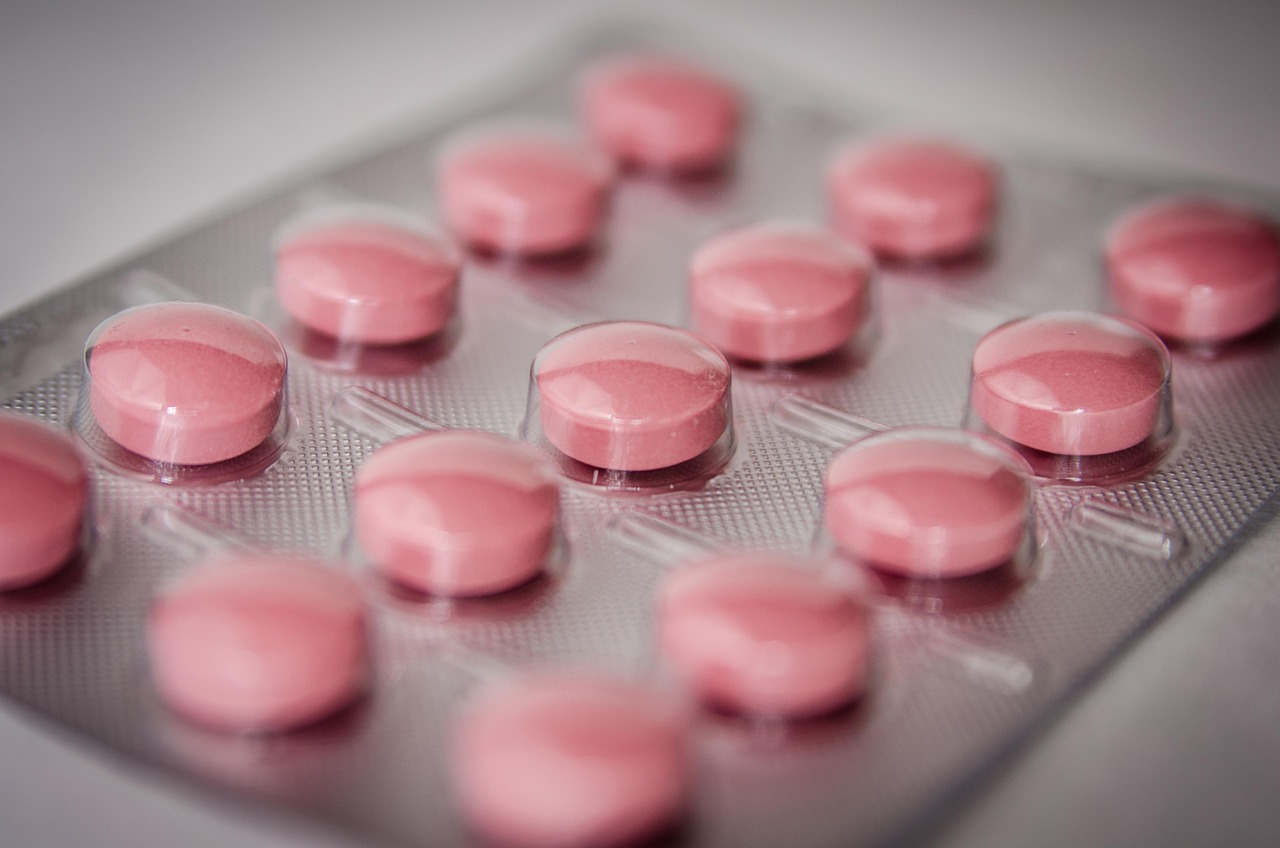
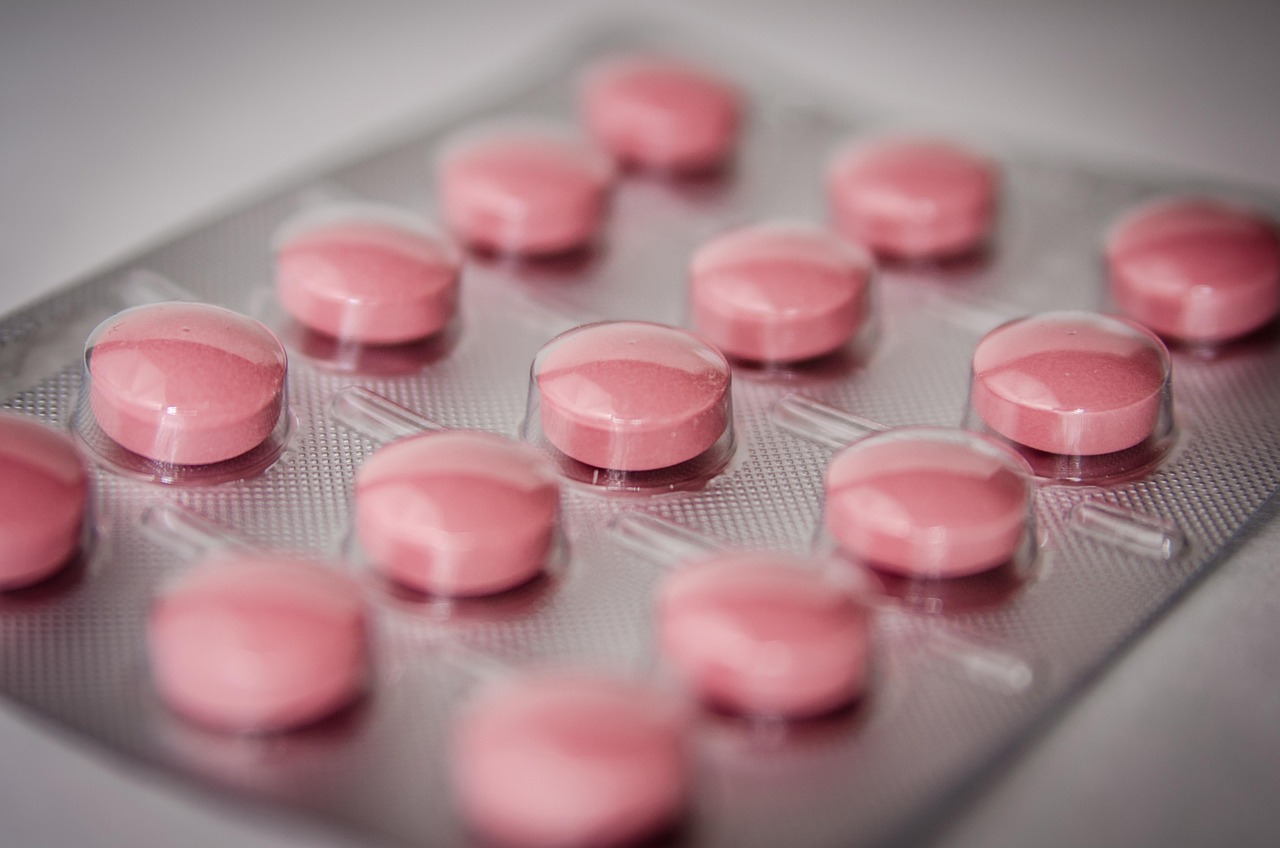
Some medications can impact thyroid hormone levels and, consequently, test results. Inform your doctor about all the medicines you’re taking, including over-the-counter drugs and herbal supplements. They may advise you to stop or reduce the dosage of certain medications temporarily, especially those that affect thyroid function. This includes:
- Beta-blockers: Used for treating high blood pressure and anxiety, these medications can lower TSH levels.
- Thyroid medications: If you already take thyroid medication, your doctor will provide specific instructions on when to take it before the test.
- Antibiotics: Some antibiotics can interfere with thyroid function and test results. Your doctor might recommend discontinuing or pausing them temporarily.
2. Food and Beverage Intake
What you eat and drink in the days leading up to a thyroid test is crucial. Certain foods contain iodine, which is essential for thyroid hormone production. While a small amount of iodine is necessary, excessive intake close to the test date can skew results. Similarly, consuming large amounts of goitrogenic foods (like raw cabbage, broccoli, or strawberries) might affect test outcomes.
3. Physical Stress and Activity
The day of a thyroid test, avoid strenuous physical activity as it can temporarily elevate cortisol levels, influencing TSH measurements. Additionally, some doctors may advise against significant physical stress in the days prior to the test. Remember that even moderate exercise should be scheduled with your doctor’s input, especially if you have a history of irregular thyroid function.
4. Caffeine and Alcohol Consumption
Caffeine and alcohol can impact hormone levels and potentially interfere with test results. It’s recommended to minimize or avoid these substances for a few days before the test. This ensures that your body is in a relatively stable state, providing more reliable data.
When to Avoid Testing
Your doctor will also provide guidance on when to schedule the test to ensure optimal conditions. Typically, tests are best performed after:
- A full night’s sleep (at least 7-8 hours)
- A consistent and balanced diet
- Regular physical activity within a healthy range
- Minimizing stress factors
Understanding Normal Thyroid Test Results
After understanding the preparation process and why certain actions matter, patients often wonder about normal thyroid test results. Generally, TSH levels should fall within a specific range (typically 0.4–4.0 mIU/L), while T3 and T4 levels vary based on age and other factors. Your doctor will interpret these results in conjunction with your symptoms and medical history to determine if further evaluation is needed.
Conclusion
A thyroid test is a valuable tool for assessing thyroid health, but accurate interpretation of the results hinges on proper preparation. By avoiding certain medications, foods, physical stressors, and substances before the test, patients can ensure that their thyroid function is accurately evaluated. Always follow your doctor’s instructions to get reliable and actionable insights into your thyroid’s state.
FAQ
1. Why is it important to avoid medication before a thyroid test?
Certain medications can alter hormone levels, leading to inaccurate test results. Your doctor wants to ensure that the test reflects your body’s natural hormonal balance.
2. Can I still eat iodine-rich foods before a thyroid test?
While iodine is essential for thyroid function, excessive intake close to the test date can interfere with results. It’s best to maintain a balanced diet and avoid concentrated iodine sources a few days prior.
3. What if I accidentally consume caffeine or alcohol before the test? Will my results be invalid?
Accidental consumption might not automatically invalidate your test, but it’s advisable to inform your doctor. They may recommend retesting under controlled conditions to ensure accurate results.
4. How long should I wait after a thyroid test to resume normal activities?
Your doctor will provide guidance on this. Generally, you can resume regular activities shortly after the test, but always follow their specific advice for your situation.