Skip to content

164news.com

  • Contact Us
  • Toggle search form
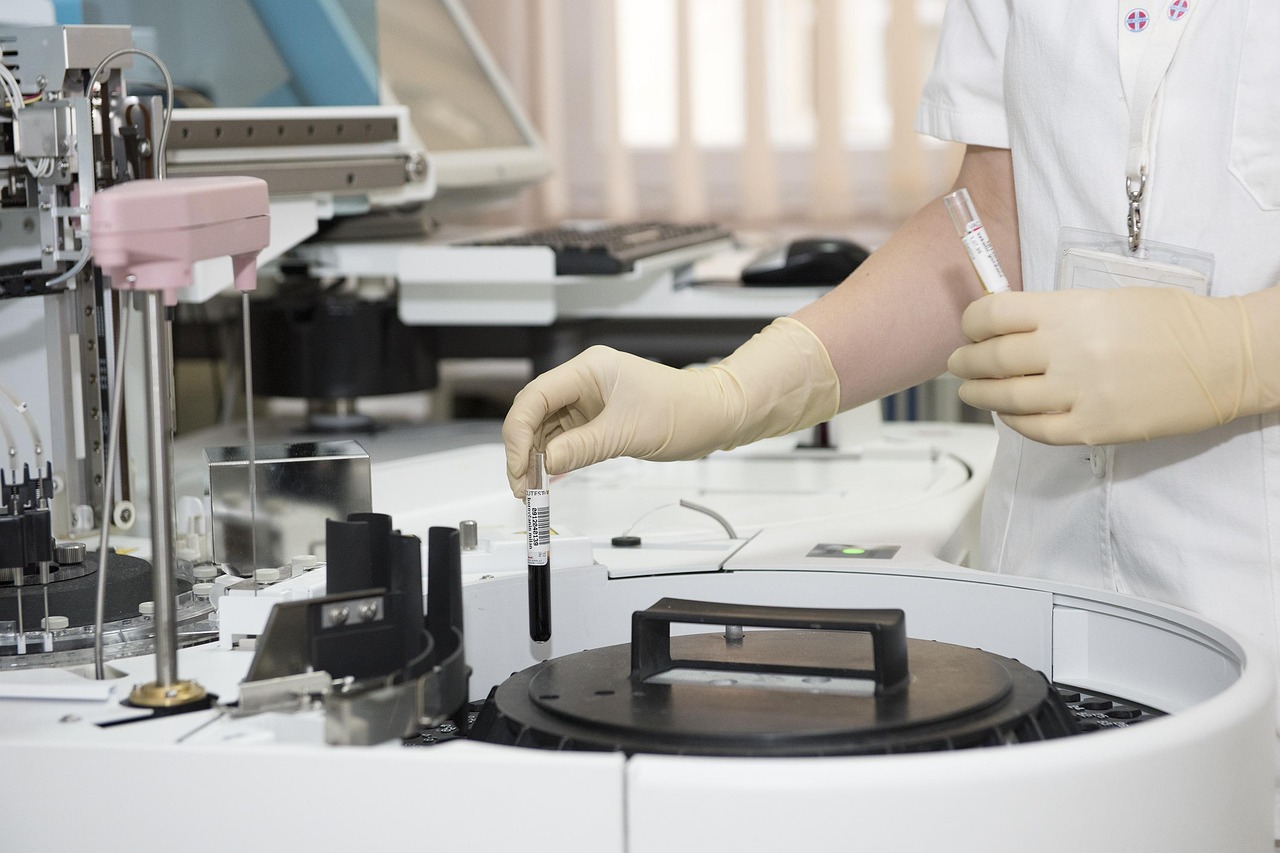
10-things-to-avoid-before-your-thyroid-t-640x480-mh1xbg

10 Things to Avoid Before Your Thyroid Test: A Comprehensive Guide

Posted on May 5, 2026 By Thyroid Test No Comments on 10 Things to Avoid Before Your Thyroid Test: A Comprehensive Guide

TL;DR:

Preparing for a thyroid test is crucial for accurate results. This article guides you through 10 essential things to avoid before your appointment, ensuring optimal health assessment and potential treatment for thyroid disorders. From dietary changes to medication adjustments, learn what steps to take (and what to steer clear of) for the best outcomes.

Introduction: Why Thyroid Tests are Essential

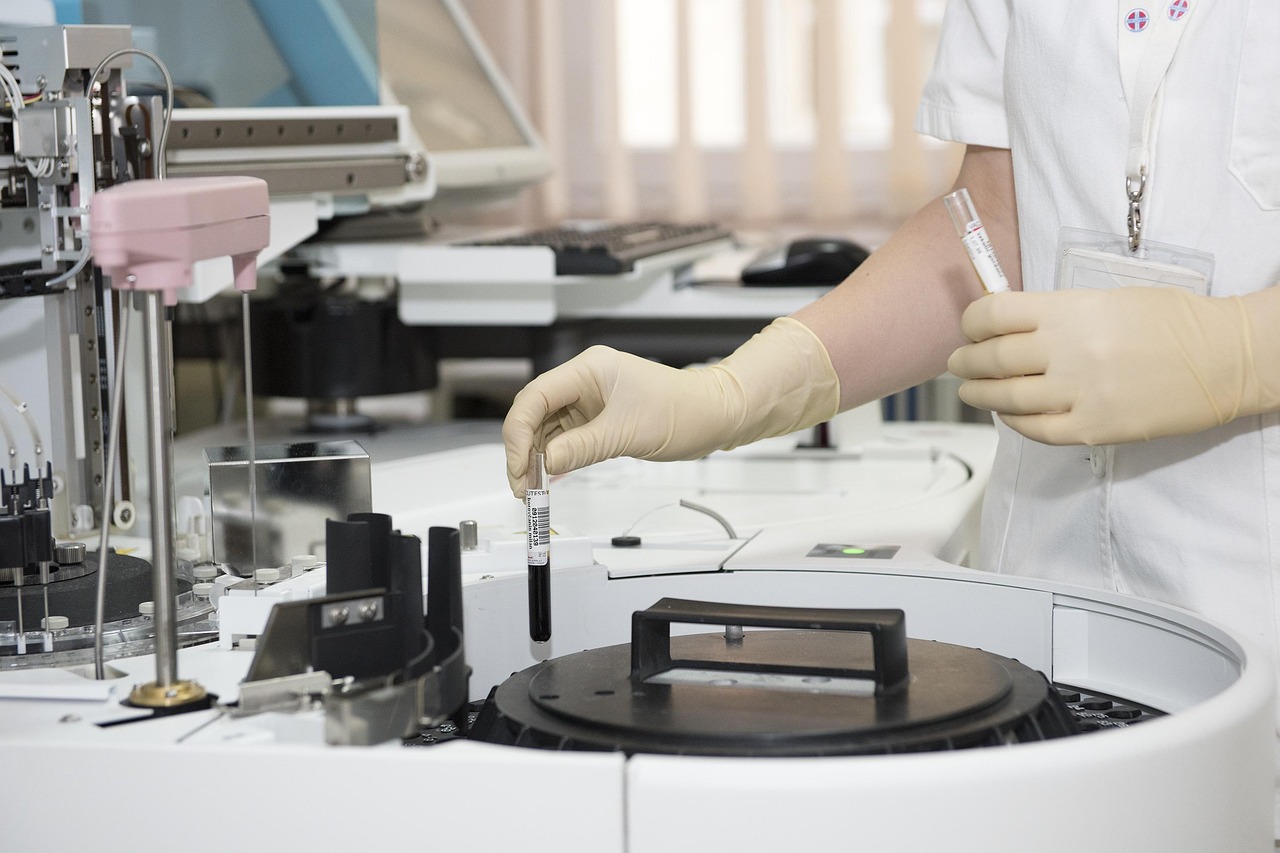
A thyroid test is a crucial diagnostic tool for evaluating thyroid function. It plays a significant role in detecting thyroid disorders such as hypothyroidism, hyperthyroidism, and autoimmune conditions like Hashimoto’s disease. Understanding what to do (and avoid) before this test is vital to ensure accurate results and effective treatment planning. This guide will walk you through the essential pre-test preparations and mistakes to steer clear of.

1. Avoid Dietary Changes for 48 Hours Before the Test

Why: Your diet significantly influences thyroid hormone production. Sudden dietary shifts can alter your thyroid’s chemistry, leading to inaccurate test results.

What to Do: Maintain your regular eating habits in the days leading up to the test. Avoid drastic changes in protein intake or incorporating new supplements that might affect thyroid function.

2. Refrain from Physical Strenuous Activity for 24 Hours

Excessive exercise can trigger a temporary hormonal response, affecting the results of your thyroid test. Here’s what you should know:

Why: Intense physical activity stimulates the release of stress hormones, including cortisol and adrenaline, which can suppress thyroid function temporarily. This effect is usually short-lived, but it’s best to avoid any extreme workouts before the test.

What to Do: Schedule your test when you’ve had a balanced, moderate workout routine. Avoid high-intensity exercises 24 hours prior to ensure more consistent test results.

3. Don’t Take Medications That May Interfere (Except as Directed)

Certain medications can interfere with thyroid test results. This is especially important if you’re on any prescription drugs:

Why: Some common medications, such as beta-blockers and certain antibiotics, can alter thyroid hormone levels. If not specified by your doctor, avoid taking any new or additional medications close to the test date.

What to Do: Consult with your healthcare provider about any medications you’re on. They might advise you to temporarily adjust or stop specific drugs if they could impact test accuracy.

4. Avoid Stress and Sleep Deprivation

Thyroid function is closely linked to overall health and well-being, which includes stress management and adequate rest:

Why: Chronic stress and lack of sleep can disrupt thyroid hormone regulation. This might lead to false test results or a misdiagnosis.

What to Do: Prioritize relaxation techniques and ensure you get 7-8 hours of quality sleep the night before (and after) your test. Manage stress through activities like meditation, yoga, or deep breathing exercises.

5. Don’t Skip Breakfast (Or Any Meals)

Maintaining stable blood sugar levels is essential for optimal thyroid function:

Why: Skipping meals can cause fluctuations in insulin and cortisol levels, potentially affecting the thyroid’s ability to produce hormones accurately.

What to Do: Eat a balanced breakfast and all scheduled meals before your test. Choose foods rich in iodine, zinc, and selenium, as these minerals support thyroid health.

6. Avoid Excessive Caffeine Intake for 24 Hours

Caffeine stimulates the nervous system and can impact thyroid hormone levels:

Why: High caffeine intake can temporarily increase thyroid-stimulating hormones (TSH), which might alter test results.

What to Do: Limit your caffeine consumption in the 24 hours leading up to the test. Opt for decaffeinated options or herbal teas instead.

7. Don’t Take Supplements Without Medical Advice

While certain supplements support thyroid health, taking them without guidance can be counterproductive:

Why: Some supplements, like iodine and vitamin D, are essential in moderation. Overconsumption could lead to imbalances that might interfere with test results.

What to Do: Discuss any supplements you’re considering with your healthcare provider. They’ll ensure these additions align with your thyroid test preparation and overall health goals.

8. Avoid Smoking and Alcohol Consumption Before the Test

Smoking and excessive alcohol intake can impact hormonal balance:

Why: Nicotine and alcohol can disrupt thyroid function and increase stress hormone levels, affecting test accuracy.

What to Do: Refrain from smoking and limit alcohol consumption, especially in the days leading up to your appointment.

9. Don’t Ignore Symptoms – But Also Don’t Self-Diagnose

Recognizing symptoms of thyroid disorders is crucial, but consulting a professional is key:

Why: Symptoms like fatigue, weight fluctuations, or changes in bowel habits could point to various health issues. Self-diagnosis can be misleading; a medical expert is trained to interpret test results accurately.

What to Do: If you suspect a thyroid problem, schedule an appointment with your doctor. They might recommend a thyroid test and provide guidance based on professional assessment.

10. Be Prepared for the Test – But Don’t Overthink It

Understanding the process can reduce anxiety:

Why: Fear and anxiety can raise stress hormone levels, impacting test results. Knowing what to expect can help you stay calm.

What to Do: Familiarize yourself with the procedure and what will happen during the test. Remember, it’s a simple, non-invasive way to assess your thyroid health.

Frequently Asked Questions (FAQs)

  1. How often should I get a thyroid test? The need for regular testing depends on various factors, including age, gender, and personal or family history of thyroid disease. Your doctor will determine the appropriate frequency based on these considerations.

  2. Can stress affect my thyroid test results? Yes, chronic stress can disrupt thyroid function and hormone production, potentially leading to inaccurate test outcomes. Managing stress through relaxation techniques is essential before and after the test.

  3. What if I suspect a thyroid issue but my test results are normal? If your symptoms persist, consult your doctor again. Normal test results don’t rule out a thyroid disorder. There could be underlying factors influencing the results, and further evaluation might be necessary.

  4. Are there any food restrictions before a thyroid test? While there are no strict food restrictions, maintaining a balanced diet is recommended. Avoid excessive iodine intake from supplements or certain foods (like seaweed) unless directed by your doctor.

  5. Can medication I’m taking affect the accuracy of the test? Some medications might interfere with test results. Always inform your healthcare provider about any drugs you’re taking to ensure accurate interpretation of the thyroid test.

Conclusion:

Preparing for a thyroid test involves understanding what to avoid to ensure accurate results. By following these 10 essential guidelines, you’ll maximize the effectiveness of your evaluation and take a significant step towards optimal thyroid health. Remember, knowledge is power when it comes to managing your well-being.

Thyroid Test

Post navigation

Previous Post: Thyroid Test: 10 Things to Avoid Before Your Appointment for Accurate Results
Next Post: Morning vs. Evening Thyroid Tests: Unraveling the Timing Mystery

Leave a Reply Cancel reply

Your email address will not be published. Required fields are marked *

Editor's Picks

  • Long Island Real Estate Dispute Resolution
  • Commercial Plumbing Installation Denver
  • Denver Plumber for Emergency Services
  • Denver Gas Line Replacement
  • Affordable Plumbing Repair Denver
  • Leak Detection Services Denver CO
  • Sewer Backup Cleanup Denver Colorado
  • Expert Drain Snaking Denver
  • Plumbing for New Construction Denver
  • Sustainable Plumbing Solutions Denver

Recent Posts

  • BYD has built China’s first 4nm driving chip, and it’s putting LiDAR on a $10,000 car
  • Anthropic’s Milan office lands with Generali, Pirelli and Enel as named Italian customers
  • The hybrid model: why the smartest finance teams aren’t going all-in on AI
  • Oura’s Ring 5 is 40% smaller than its predecessor, and it arrives three days before a likely IPO filing
  • Waymo’s new Ojai robotaxi is cheaper to build, harder to break, and made in China

Recent Comments

  1. g555gameapk on Repairing a Leaking Denver Basin Augmentor: A Comprehensive Step-by-Step Guide
  2. xbet100 on Repairing a Leaking Denver Basin Augmentor: A Comprehensive Step-by-Step Guide
  3. hh55betcc on Repairing a Leaking Denver Basin Augmentor: A Comprehensive Step-by-Step Guide
  4. 5sbetwin on Expert Advice on Choosing the Right Sewer Backup Repair Company in Denver, Colorado
  5. 5sbet1 on Expert Advice on Choosing the Right Sewer Backup Repair Company in Denver, Colorado

Archives

  • May 2026
  • April 2026
  • March 2026

Editor's Picks

  • Long Island Real Estate Dispute Resolution
  • Commercial Plumbing Installation Denver
  • Denver Plumber for Emergency Services
  • Denver Gas Line Replacement
  • Affordable Plumbing Repair Denver
  • Leak Detection Services Denver CO
  • Sewer Backup Cleanup Denver Colorado
  • Expert Drain Snaking Denver
  • Plumbing for New Construction Denver
  • Sustainable Plumbing Solutions Denver

Copyright © 2026 164news.com.

Powered by PressBook Dark WordPress theme